With Baguio known for its lush natural setting, visiting the city to take in the full sweep of Panagbenga, the Flower Festival, is an easy call. The name comes from a Kankanaey term that means “season of blooming,” and it lives up to it. Every February the Summer Capital swaps its usual fog and pine for a whole month of color, music, and movement. It’s the kind of festival where the city itself becomes the main attraction.
At its heart, Panagbenga is a story about recovery. On July 16, 1990, a magnitude 7.7 earthquake struck Northern Luzon, and Baguio was among the hardest hit. Buildings collapsed, roads fractured, and familiar landmarks vanished overnight. The grand Hyatt Terraces Hotel was one of the structures lost. Out of all that damage, civic leaders went looking for a way to bring people back and get the local economy moving again, and they found it in the one thing Baguio has always had in abundance: flowers.
The idea came together in 1995, dreamed up by the late lawyer Damaso Bangaoet Jr. and a few close friends while the city was still finding its footing. The first festival in 1996 was a modest affair, just a single day with a handful of floats. The goal was simple enough. They wanted to reintroduce Baguio to the rest of the country and show everyone that the city was open, healed, and ready for visitors. Nearly three decades later, that message has only grown stronger.
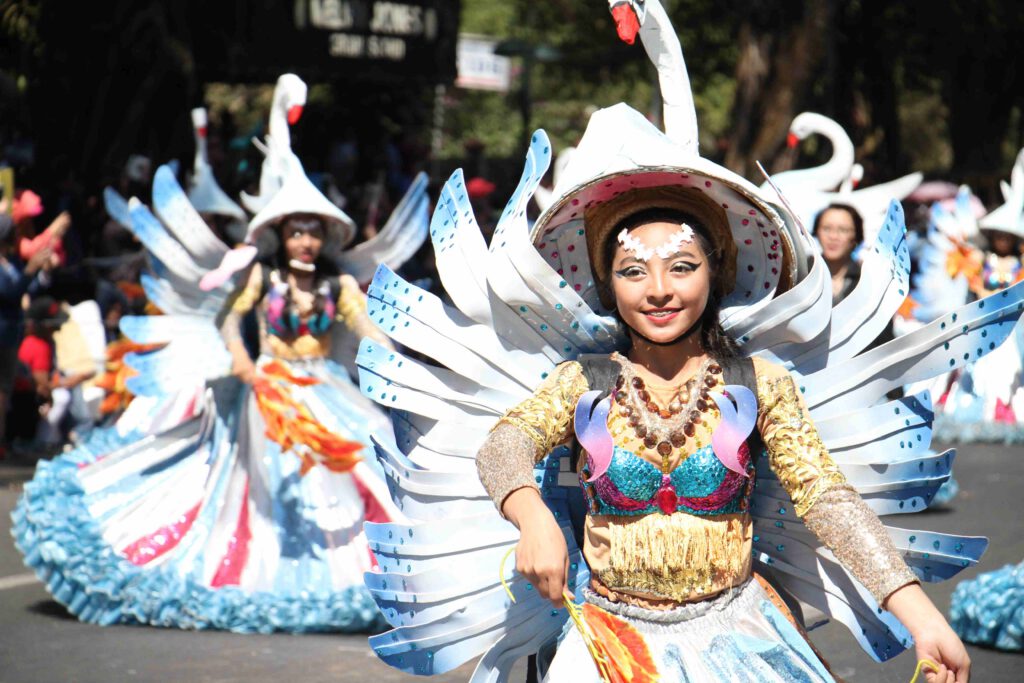
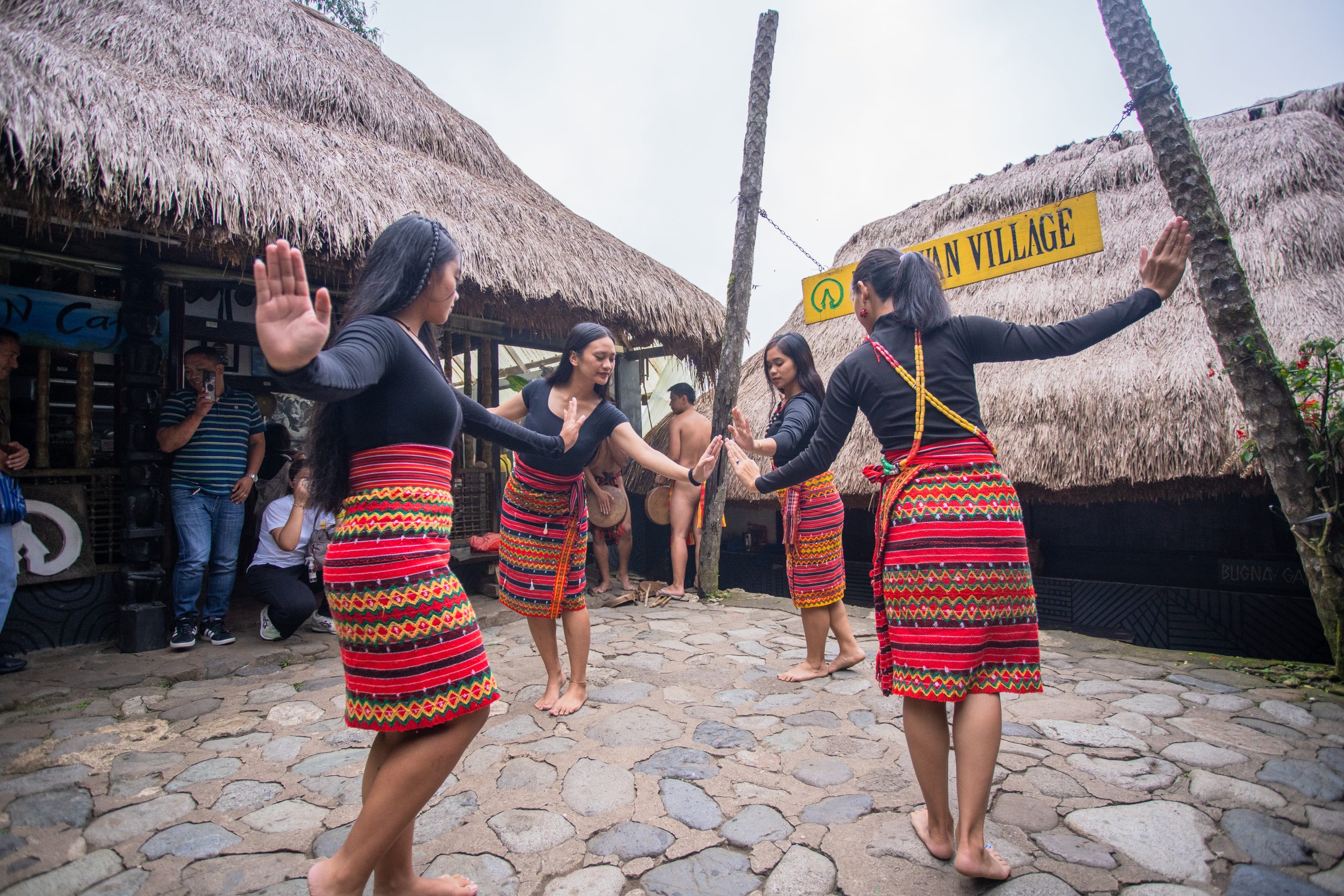
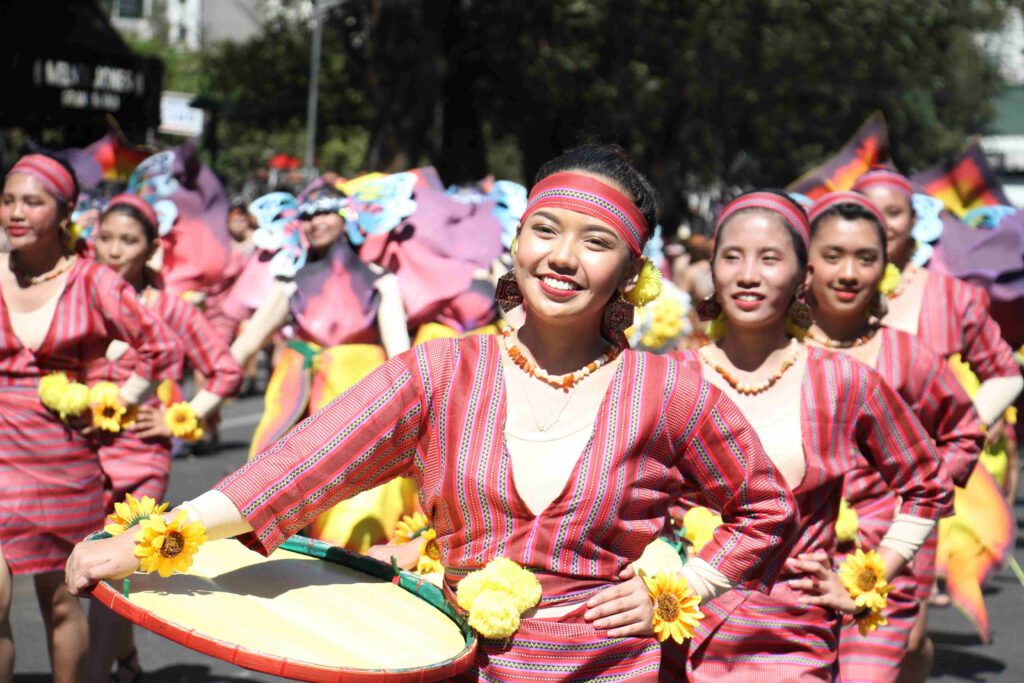
Street dancing is the festival’s signature, and there’s real cultural depth behind the spectacle. The choreography borrows from the Bendian, an Ibaloi dance of celebration that comes from the Cordillera region, reimagined by performers in costumes inspired by flowers. The Grand Street Dancing Parade turns Session Road and Harrison Road into a moving stage, with school groups and community contingents working through tightly drilled routines set to the Panagbenga hymn.
The other showstopper is the grand float parade. The floats are covered almost entirely in fresh flowers, which is why people so often compare them to the floats at Pasadena’s Rose Parade. Local growers, schools, and corporate sponsors spend weeks building the designs, and the payoff is a slow procession of roses, sunflowers, and indigenous motifs rolling through the middle of the city. It tends to be the most photographed day of the whole season.
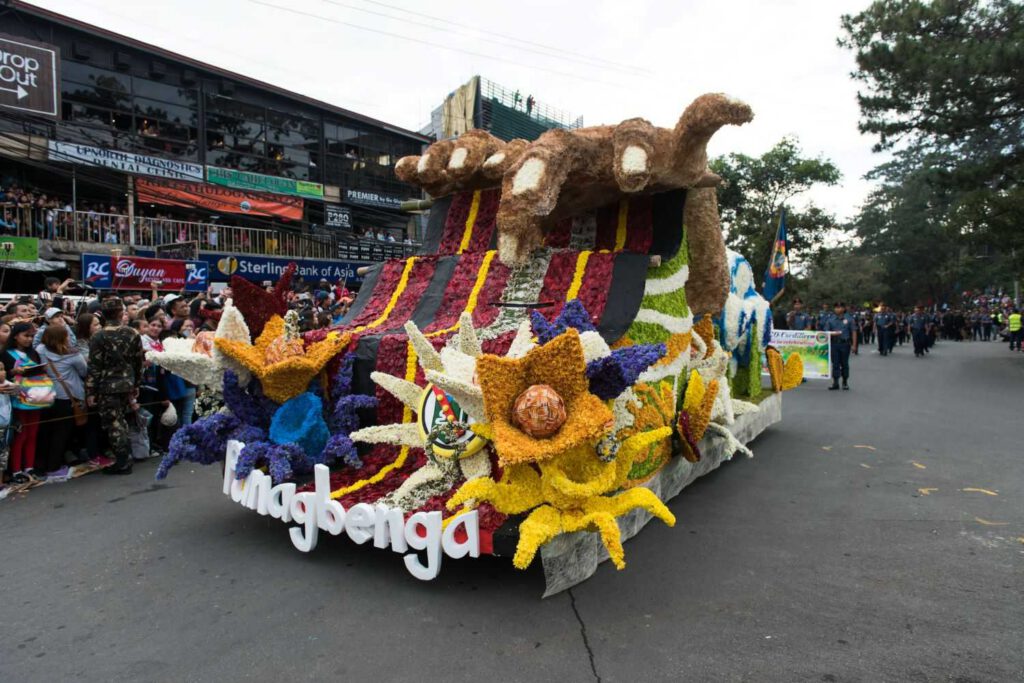
What started as a single afternoon has stretched out considerably over the years. The event went from one day to a week, then two weeks, and eventually a full month. These days it opens on February 1 and runs through the first Sunday of March, spilling across venues like Session Road, Harrison Road, the Melvin Jones grounds at Burnham Park, and Panagbenga Park. Worth noting too: the festival runs entirely on private funds, backed by corporations and volunteers rather than government subsidies, which is a point of real local pride.
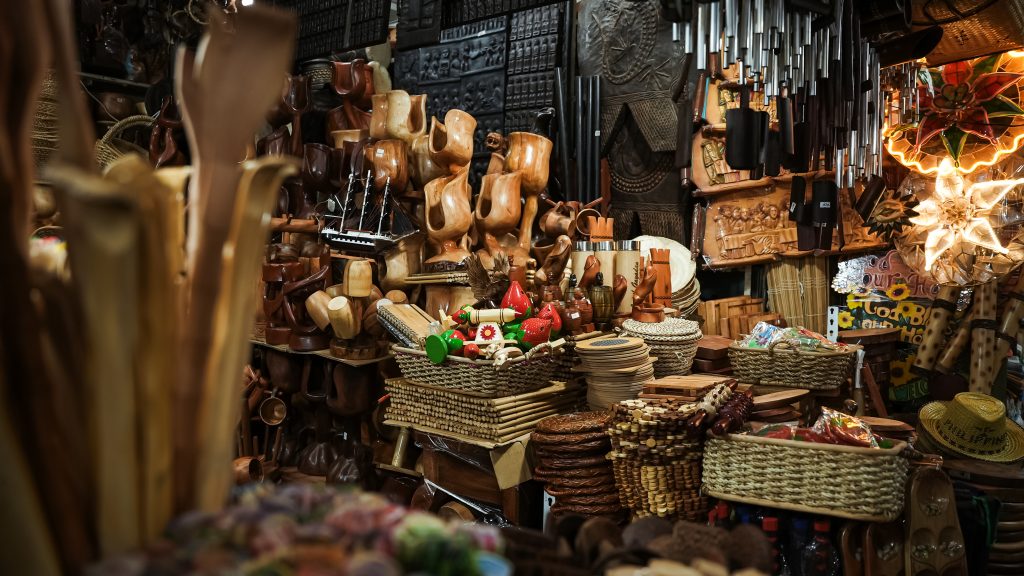
Panagbenga matters well beyond the parade route. In 2017, Baguio was named a UNESCO Creative City of Crafts and Folk Art, a recognition the festival helped earn by keeping the city’s creative traditions front and center year after year. For Baguio, the festival is living proof that recovery can turn into culture, and that culture can last. It’s a celebration the city built for itself, owns, and keeps going on its own terms.
For visitors, the practical advice is straightforward. Come anytime in February for the blooms and the energy, but try to plan around the last weekend of the month if you want to catch the Grand Street Dancing Parade and the float procession, which are the festival’s two big draws. Expect road closures, suspended classes, and thick crowds along the route, and get there early, since people start lining up before sunrise. There’s no better week of the year to see Baguio in full bloom.