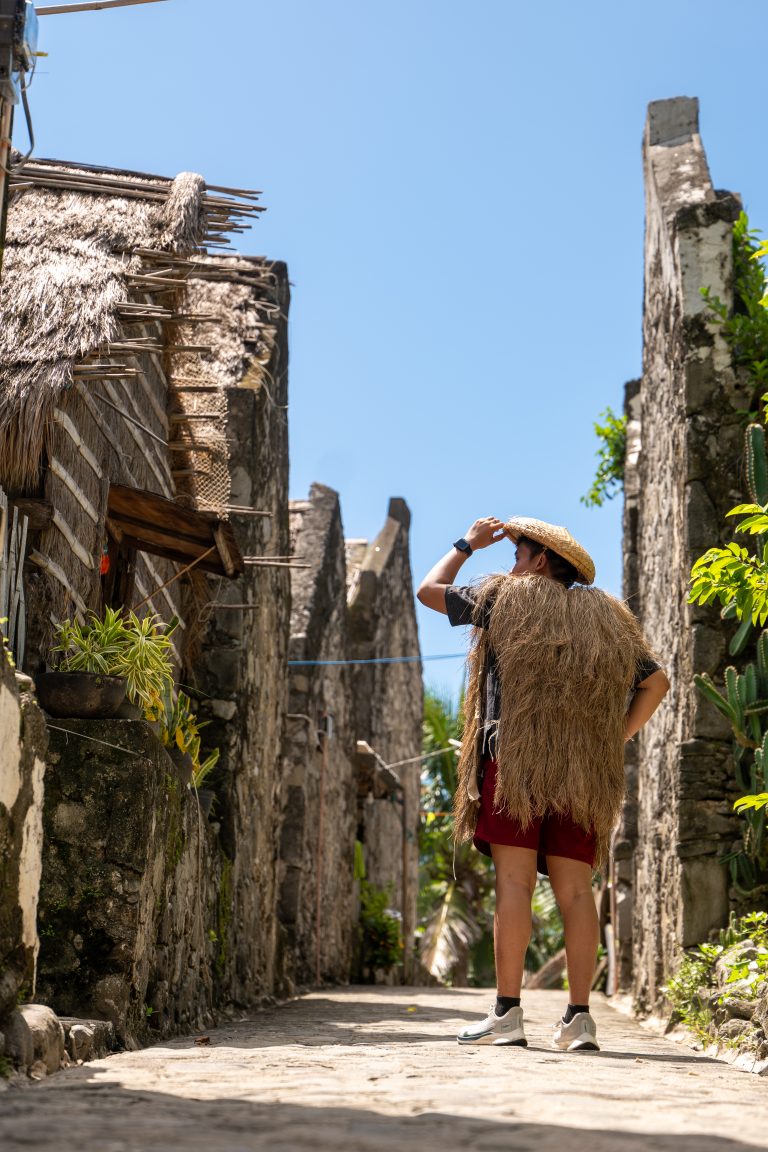
Malolos is the capital city of Bulacan, and it has played a significant role in the journey of the Philippines to find and claim independence. This makes it a great destination for those who want to learn about an important period in the country’s history.
Here, you’ll have the chance to stroll historic streets, admire preserved heritage landmarks, and experience the warmth of a community that’s proud of its rich past and enduring traditions.
Beyond its offerings to history enthusiasts, the city also offers memorable sights. Some of the places you can visit and marvel at include grand ancestral houses, iconic monuments, and churches.
Whether you’re exploring with family, friends, or on your own, you’ll find plenty of opportunities to learn, take photos, and immerse yourself in the city’s unique character. Come and discover why Malolos remains one of Central Luzon’s most treasured cultural destinations!
Barasoain Church
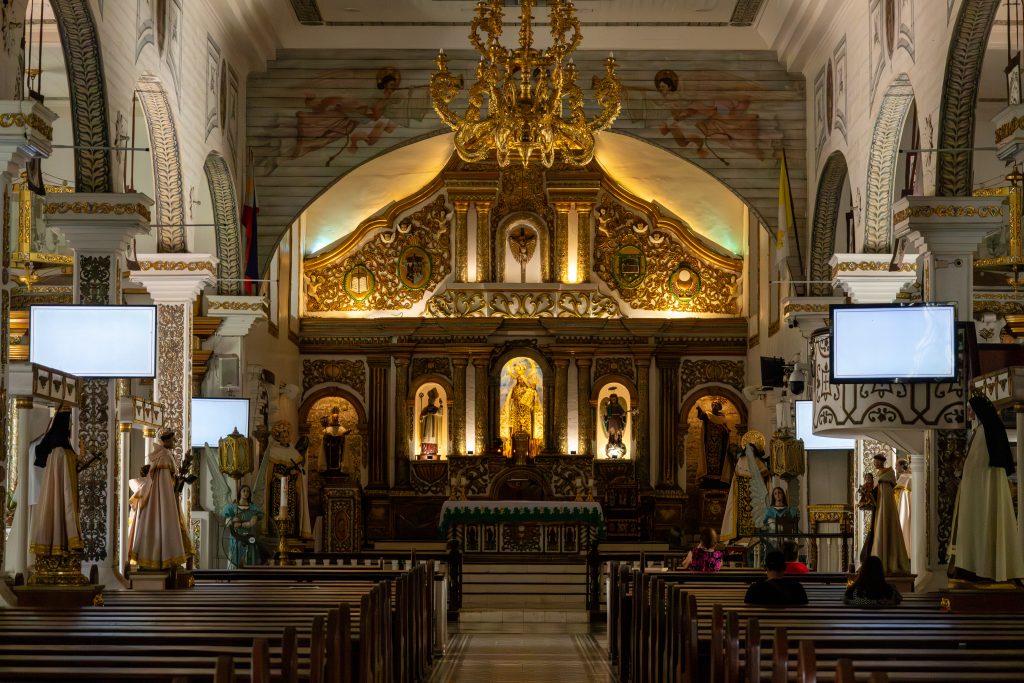
Barasoain Church is one of the most important historical landmarks in the Philippines and a must-visit destination in Malolos. It’s also known as the “Cradle of Democracy in the East.” This beautiful church witnessed significant events in the nation’s history, including the convening of the First Philippine Congress.
Visitors can admire its stunning architecture, learn about its rich heritage, and gain a deeper appreciation of the country’s journey toward independence.
Casa Real de Malolos
Casa Real de Malolos stands as a remarkable reminder of the city’s colonial past. It once served as a government building during the Spanish era. Now, it showcases the rich history and cultural heritage of Malolos.
Its elegant architecture and historical significance make it an interesting stop for visitors who wish to learn more about the city’s role in shaping Philippine history.
The Kalayaan Tree
The Kalayaan Tree is a meaningful symbol of freedom and patriotism in Malolos. It can be found in front of the Malolos Cathedral.
Planted to commemorate the country’s struggle for independence, this historic tree serves as a living reminder of the courage and sacrifices of Filipino heroes.
Surrounded by a peaceful setting, it offers visitors a reflective space to appreciate the city’s heritage while enjoying a glimpse of one of Malolos’ enduring symbols of national pride.