While adventure trails have been all the rage around the world for a while now, most of them are focused on
adrenaline-pumping activities or treks to scenic peaks. A rarity is one that focuses on a town’s culinary
heritage, and such a gem you will find in Negros Occidental, the “Sugar Trail.”
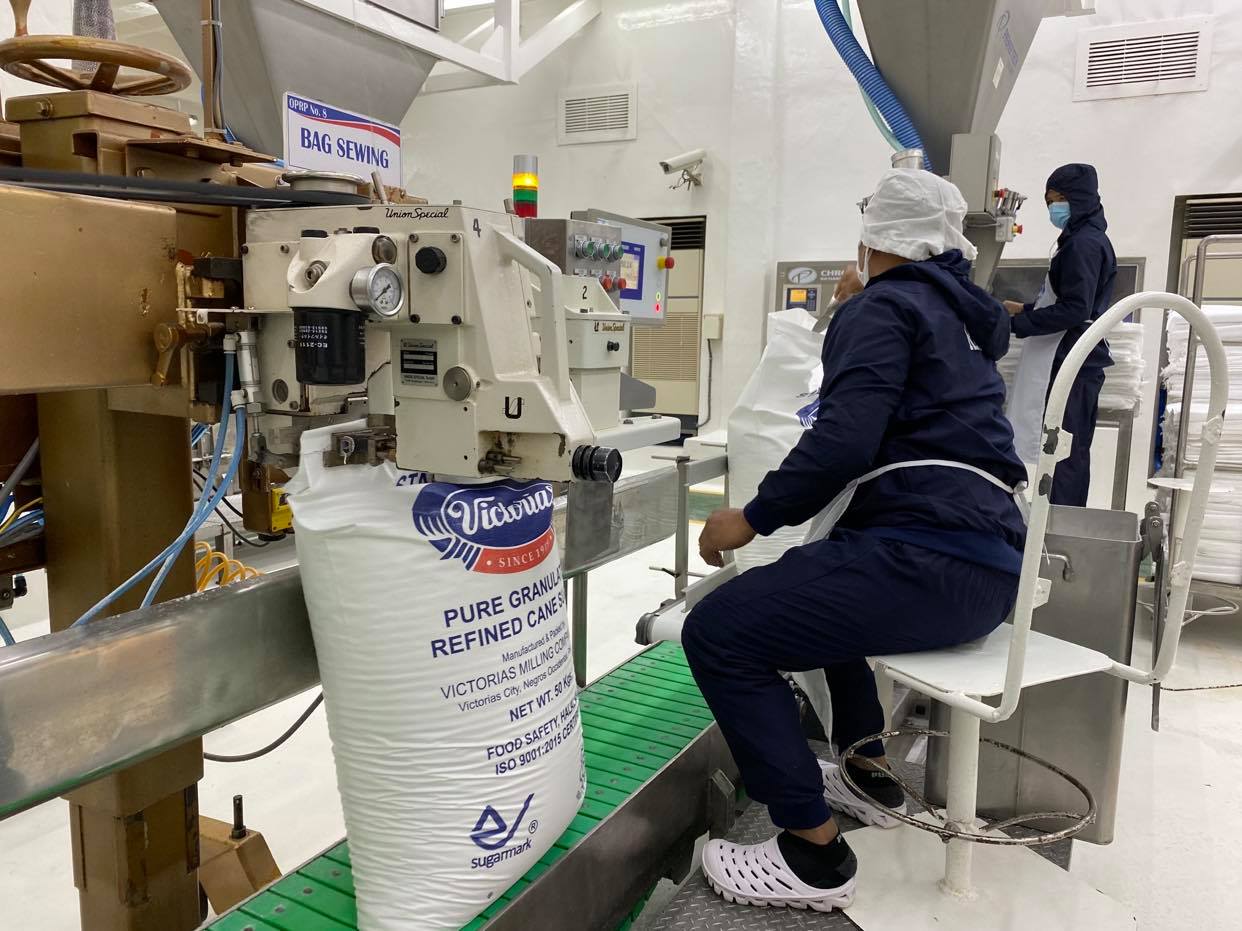
The sugar mill in Negros Occidental produces raw or
white sugar by washing and cutting the sugar canes into shreds. Photo courtesy of the Department of
Tourism.
Imagine an itinerary packed with visits to sugar mills and ancestral houses, feasts of heirloom dishes,
sugar farming, and even a ride on a steam locomotive—a refreshing break from the typical mountain tours and
water activities. These are just some of the many exciting activities to look forward to in Western Visayas
as the province reopens its doors to tourists. Visitors will get to explore the sugar heritage of Negros
Occidental which came from Panay Island, particularly Iloilo and its neighboring towns where most of the
sugar planters originated. Currently, only the Western Visayas has these intact sugar refineries in the
country. Sugar mills are still intact in Negros Occidental, while in Panay, there are still extant small
muscovado mills in Antique.

The Steam Locomotive is fueled by burning combustible
material that heats water in the train’s boiler until it becomes gaseous and increases 1700 times in
volume. Photo courtesy of the Department of Tourism.
A beautiful complement to the Sugar Trail adventure is a visit to the growing Slow Food community in Negros
Island, one of two such communities in Western Visayas (there is also a Slow Food Community in Panay). The
former is recognized by the Italy-based organization Slow Food International and has 25 food items listed in
the “Ark of Taste”, a catalog of endangered heritage foods around the world. Among the food items in Negros
Occidental included in the list are batuan (organic souring agent), kadyos (pigeon peas), criollo cacao
(white-bean cacao), and darag chicken (native Ilongo chicken). Slow Food is a concept that seeks to preserve
local food cultures and traditions. It promotes traditional cuisines and the sustainable preparation of
food.
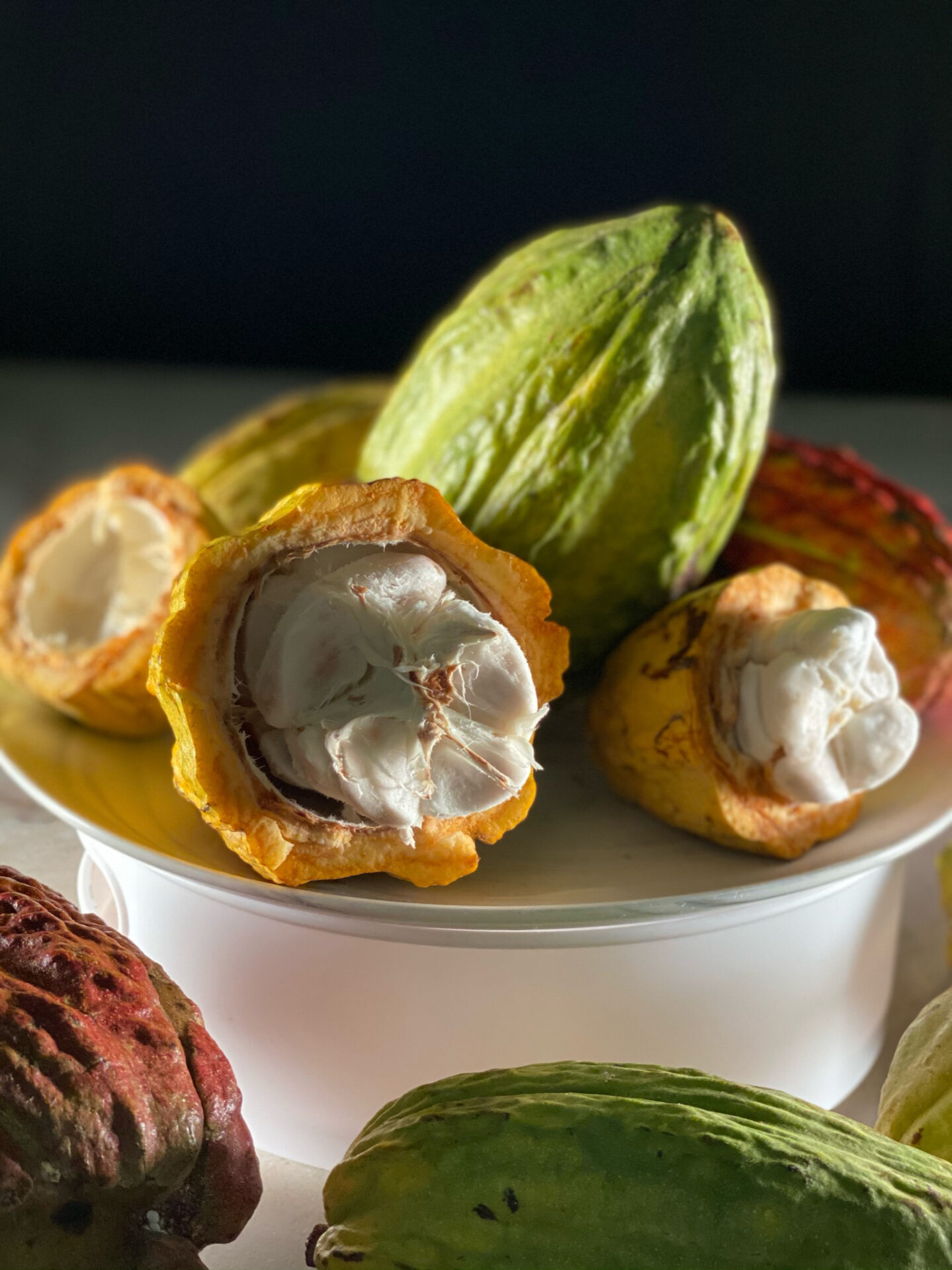
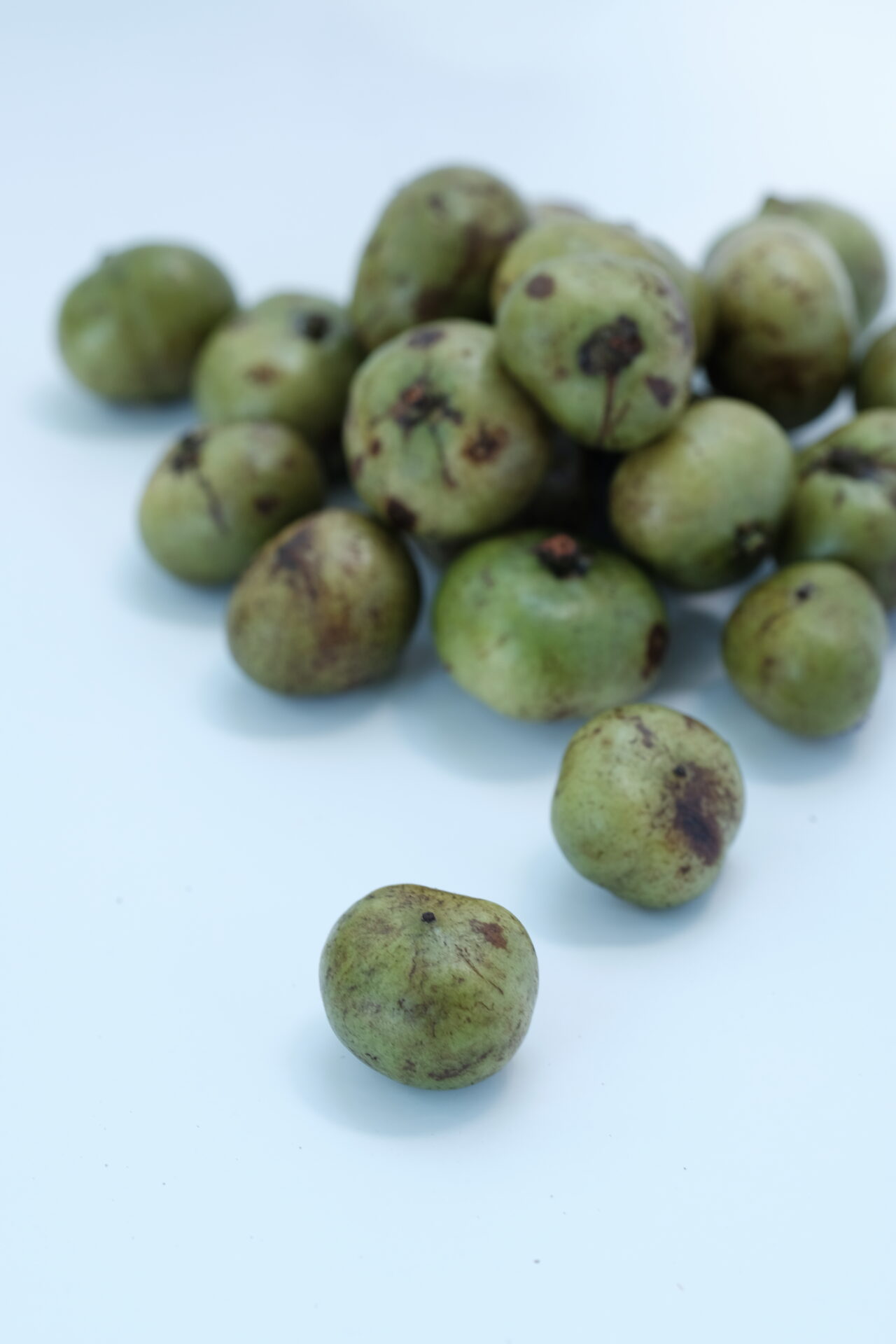
Criollo Cacao and Batuan are two of the preserved food
items from Negros Occidental. Photos courtesy of the Department of Tourism.
Today, many travelers take an active interest in the source and history of their food and are becoming even
more invested in learning about the communities that grow them. While Guimaras’ beautiful beaches and
delicious mangoes make it an amazing place to visit, this stunning island also offers engaging farm-to-table
agri-tourism attractions. Its Agri-tourism Circuit features a network of farm sites, including mango
orchards, bee farms, salt farms, and aquaculture ponds scattered across the five municipalities of Guimaras.
The tour takes visitors to Guimaras Wonders Farm and National Mango Research and Development Center in
Jordan, Sebario Salt Farm in San Lorenzo, SEAFDEC Marine Reserve, and Aqua-Culture Farm in Nueva Valencia,
Southern Orchard, and Spring Bloom Farm in Sibunag. Travelers can also drop by the old Trappist Monastery in
Jordan, founded in 1972, where they can stock up on mango-flavored goods, jams and sweets, and many other
sweet delights.
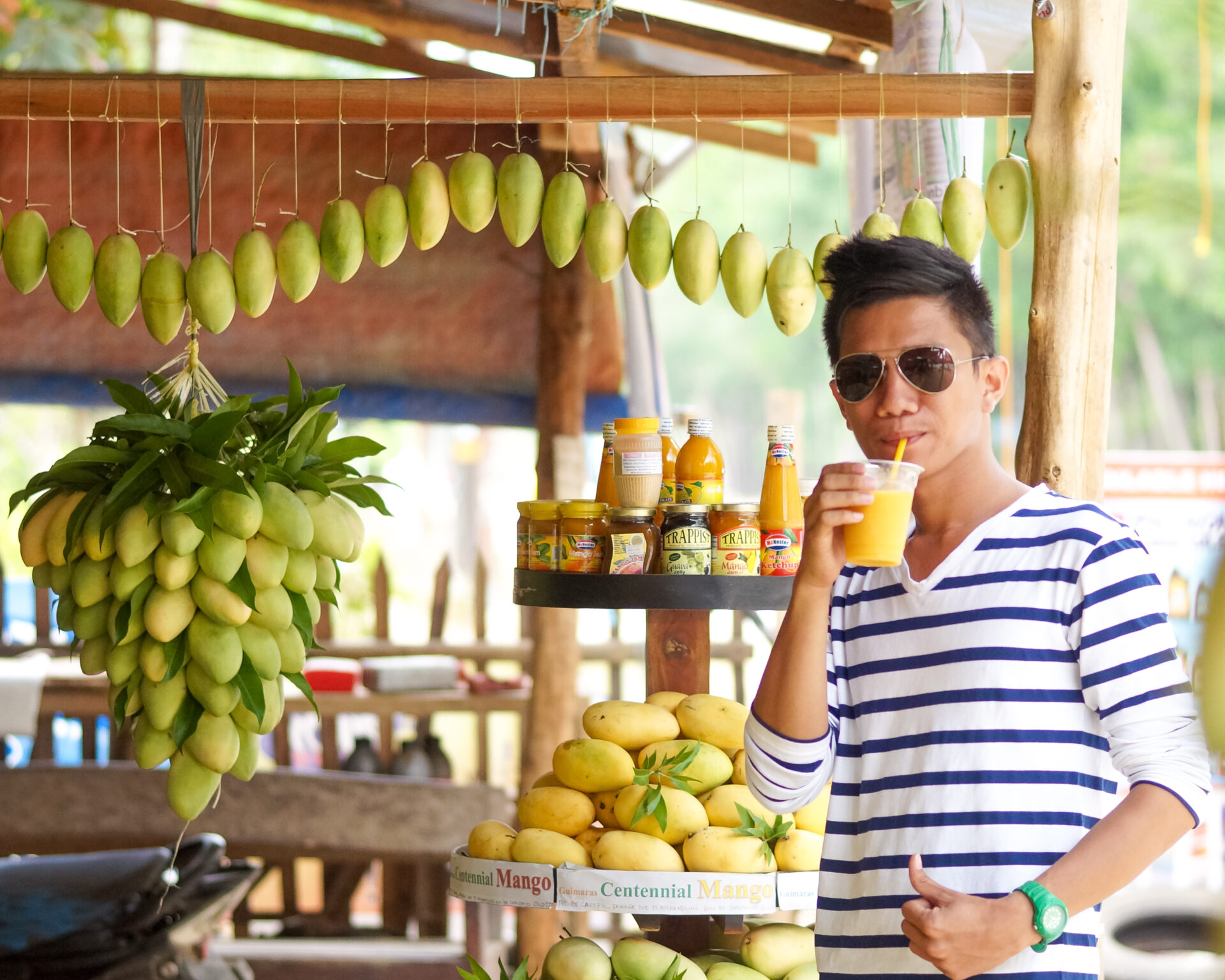
Considered the finest tasting mangoes in the world,
Guimaras mangoes serve as the main source of livelihood of most Guimarasnons. Photo courtesy of the MJ
Camingay.
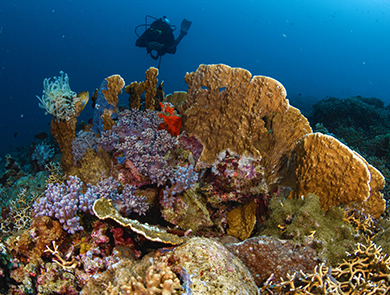
The underwater world of Western Visayas must also not be missed. You can only imagine the incredible scenery
that lies within the province’s enchanting blue seas, from undamaged reefs to rich marine wildlife and a
unique underwater environment. The Western Visayas Dive Circuit comprises Nogas Island in Antique, a
24-hectare deserted marine sanctuary and government naval reserve with a highly abundant marine life that is
regarded by most divers as one of Panay Island’s most stunning dive sites. The Kuliatan Marine Sanctuary in
Iloilo offers enticing opportunities for snorkeling and diving. It is home to a diverse range of fish,
invertebrates, micro-organisms, and lush vegetation. Dive spots for skilled and seasoned divers are
additional attractions for tourists looking to see the breathtaking white-sand beaches of Boracay in Aklan.
Yapak and Crocodile Island are its most popular diving destinations. For macro enthusiasts, the Sipalay
diving sites in Negros Occidental are ideal. People come to Campomanes Bay in search of adventure at its
famed diving spots like Turtle Island, Sunken Island, and the MS Jojo wreck.
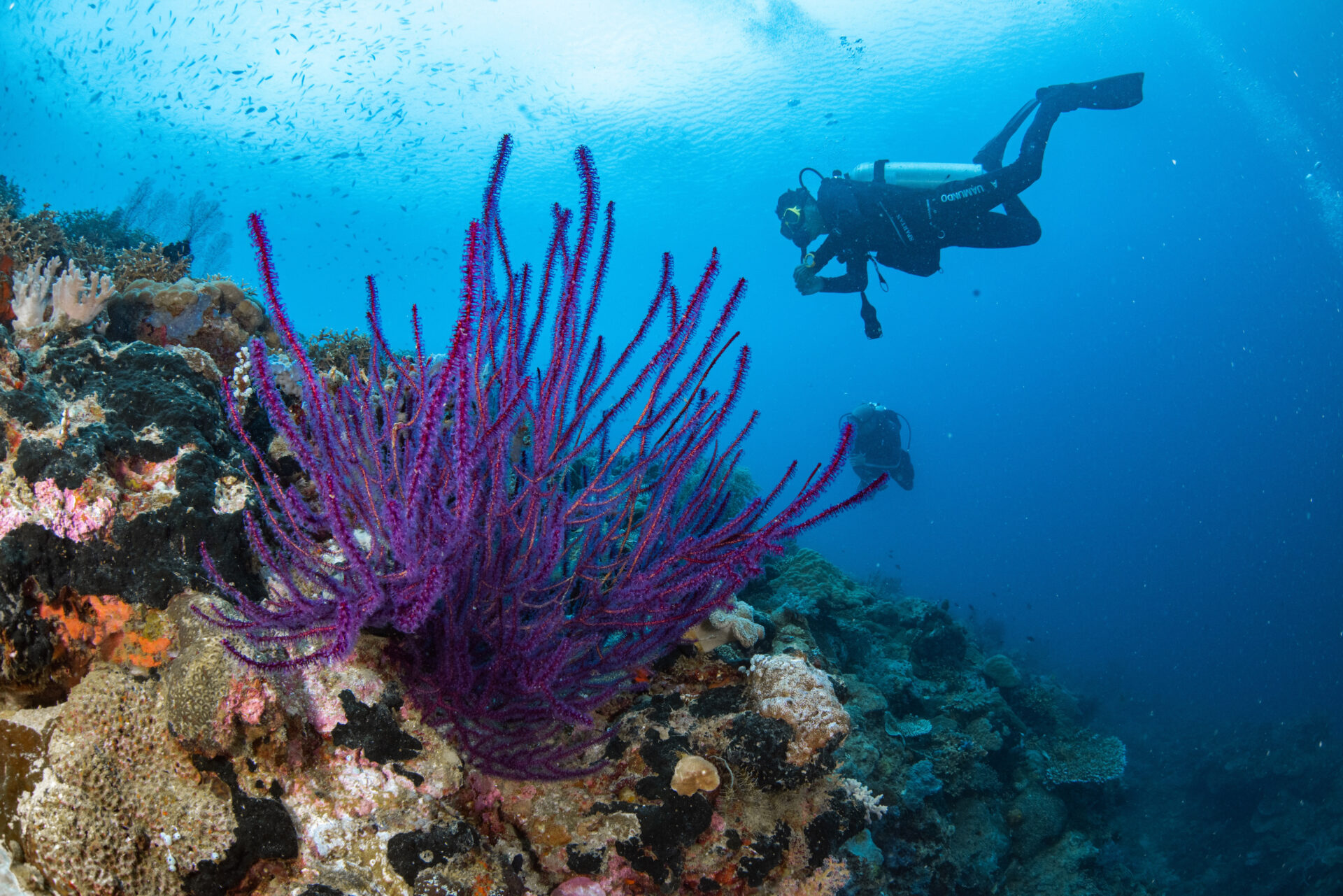
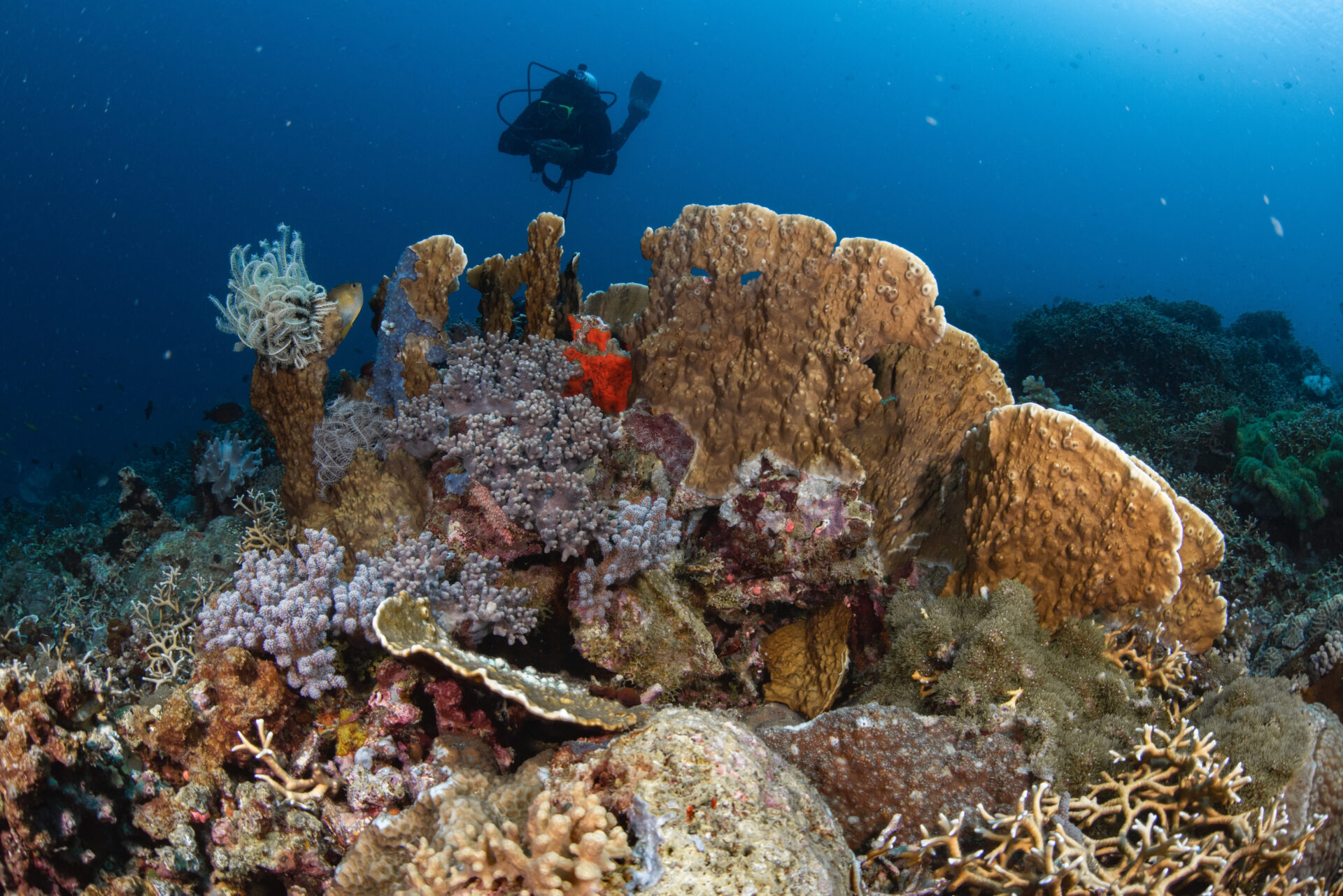
Located in the middle of the deep blues of Cebu and
Negros, Sunken Island is known for its diverse marine life. Photos courtesy of the Department of
Tourism.
The most eco-conscious travelers will get an amazing adventure in Bacolod. You’re sure to see a spectacular
array of wildlife at every turn at the Negros Forests and Ecological Foundation Biodiversity Conservation
Center in South Capitol Road. Its ecological area is teeming with flora and fauna indigenous to the region.
Due to deforestation and the rise of commercial and agricultural operations, most animals and plants here
are in danger of extinction. This conservation center helps tourists design more eco-friendly trips and
connect with the environment and wildlife while learning to respect their habitat.
Majority of the towns in Iloilo are known for having outstanding Spanish-influenced architecture. You will
find beautiful churches, cemeteries, watchtowers, and bridges in nearly every site. A visit to the
province’s southern and central districts takes travelers to many unique churches with rich histories to
dive into as you explore them. The Baroque-Romanesque parish church of St. Thomas in Miagao, which was
proclaimed a National Shrine in 1973 and included in the UNESCO World Heritage List of 1993, is a must-see
when visiting these heritage churches. A tour of the Leon, Pavia, Cabatuan, Sta. Barbara, Tigbauan, Guimbal,
and San Joaquin churches also provides a memorable experience.
Travelers are encouraged to check the official websites of the sites and attractions they plan to visit as
well as https://philippines.travel
for the latest updates on open destinations, travel restrictions, and entry requirements and safety
protocols.