“We started in a very small shop in Mines View Park kasi doon kami nakatira (because we used to
live nearby),” shares Rommel Marcelo. Born and raised in Baguio, and the second eldest among six siblings,
he manages Pilak Silvercraft and Gift Shoppe, a business that was established by his parents in the 1970s.
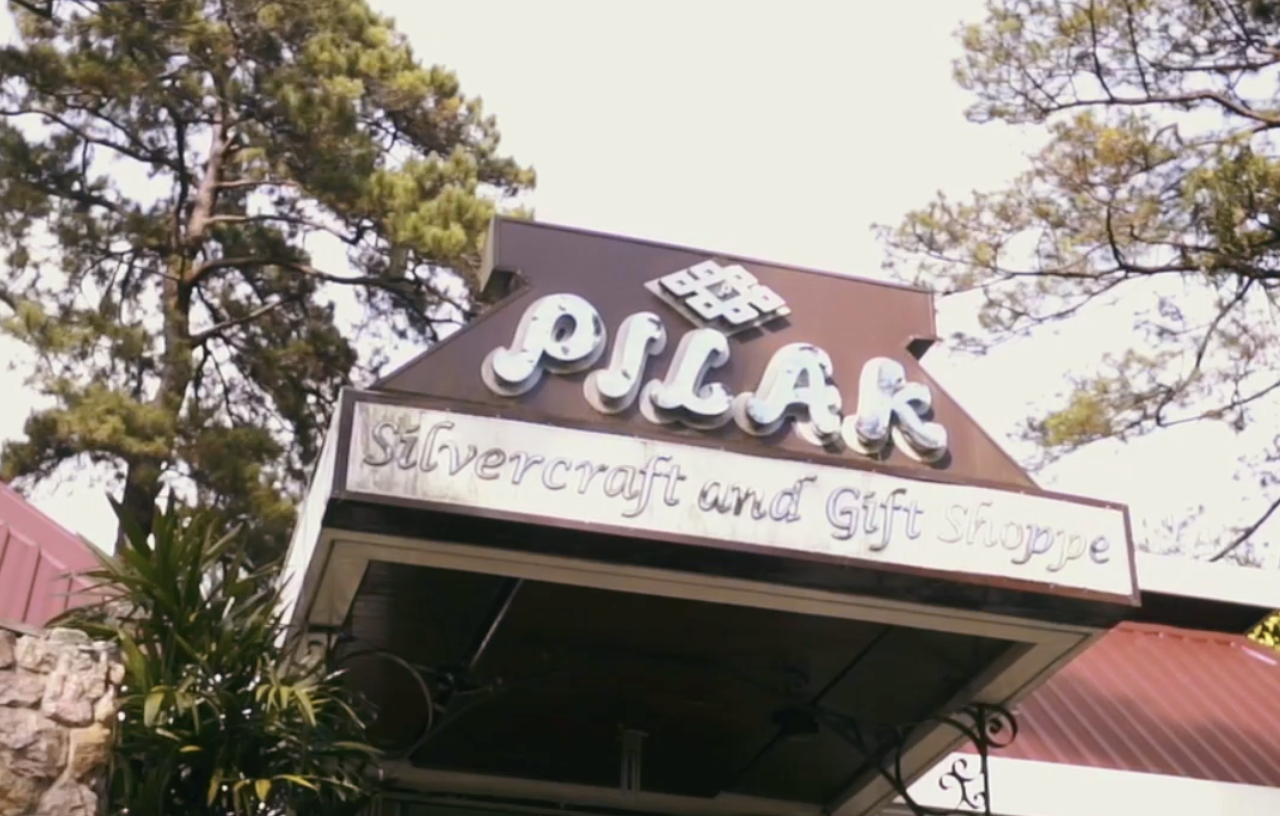
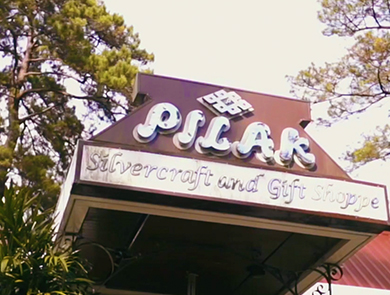
Pilak Silvercraft and Gift Shoppe at Leonard Wood
Road. Photo courtesy of the Department of Tourism.
The Cordilleras being a mine-rich region where gold, silver, and copper are sourced prompted the family to
bank on silver crafts as their source of livelihood. As children, the Marcelo siblings were already trained
on how to make pieces of silver.
Earnings from Pilak helped Marcelo and his siblings finish their studies. When their father passed, it was
only natural for them to honor their father’s memory by taking on the responsibility of keeping the business
alive. “Bata pa lang na-train na kami kaya we had to continue noong nawala siya (We were already
trained as kids that’s why we had to continue when he passed away),” he says.
Silver in the Summer Capital
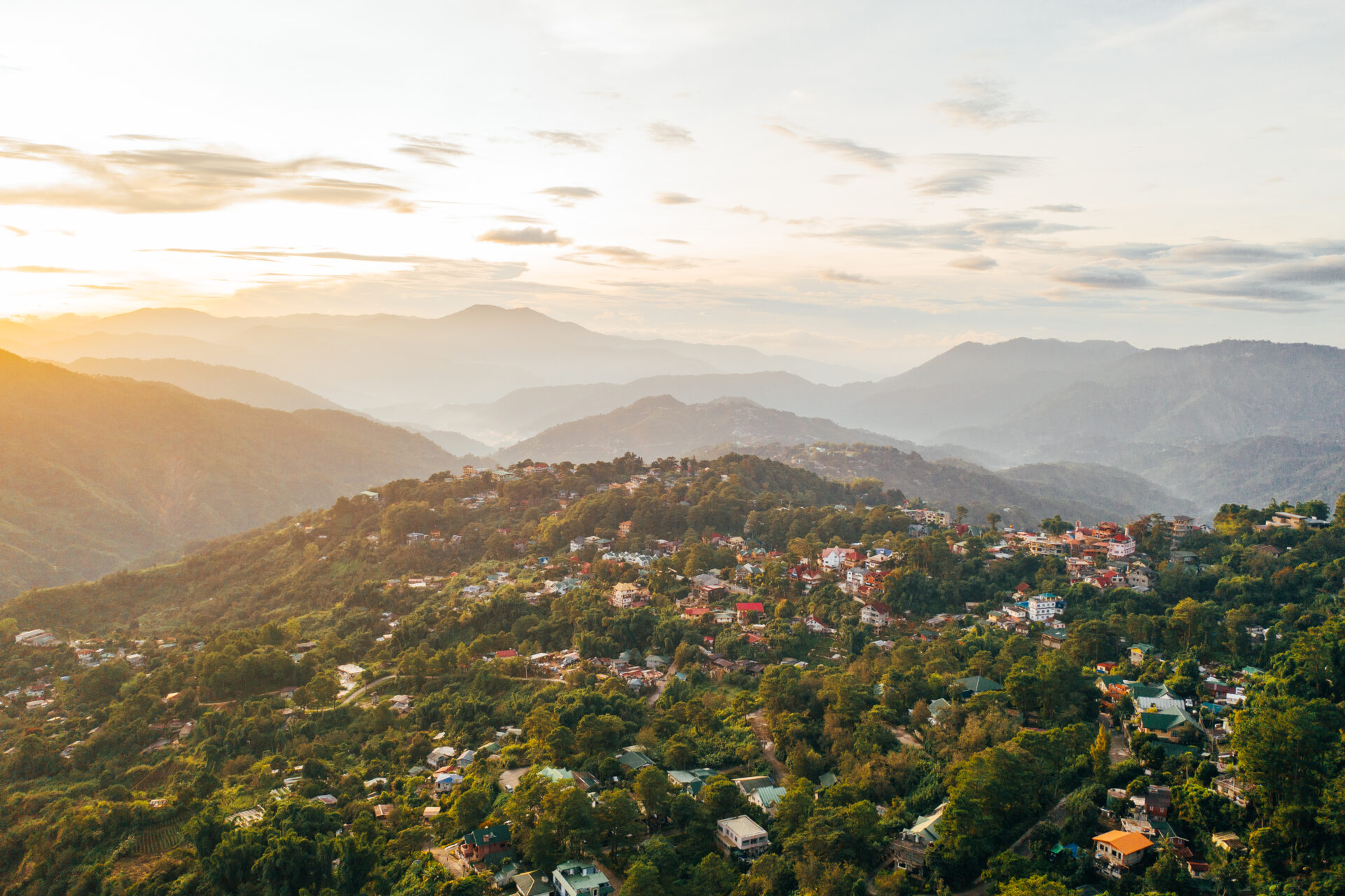
The majestic view from Mines View Park. Photo courtesy
of the Department of Tourism.
The UNESCO (United Nations Educational, Scientific and
Cultural Organization) describes Baguio as a “colorful, multicultural city full of diversity where artistic
culture ranges from crafts and folk art expressions to woodcarving, silver craft, weaving and tattooing.”
This leaves tourists with several activities or destinations to choose from depending on their creative
interests, and the Marcelo family makes sure that their doors are always ready to welcome both old-timers
and new silver enthusiasts.
The store used to be called “Aloha” to welcome and attract foreign visitors. It was then changed to “Pilak,”
which is the Filipino word for silver, for a more local touch and easier association with the kind of
products they offer. Their humble stall in Mines View is still around today, but they have since opened a
bigger store in Leonard Wood Road, right across the Baguio Botanical Garden.
Pilak Silvercraft and Gift Shoppe takes pride in their reasonable prices, wide range of designs and
products, and originality. Aside from jewelry, they also make cups, chalices, and unique figurines made of
silver like jeeps and vinta.
Customers have the option to choose from ready-made products or have their orders customized according to
their needs. Prices range from as low as Php 90 to as high as Php 13,000 depending on the size and
complexity of the design.
Over the years, Pilak was able to build a strong customer base. Despite going for the conservative route
when it comes to marketing their products and only being aggressive in Baguio, they have loyal suki
(frequent customers) not only from the City of Pines, but from across the country as well. They have
also gotten clients from Manila who have their own designs that they send to Pilak for production.
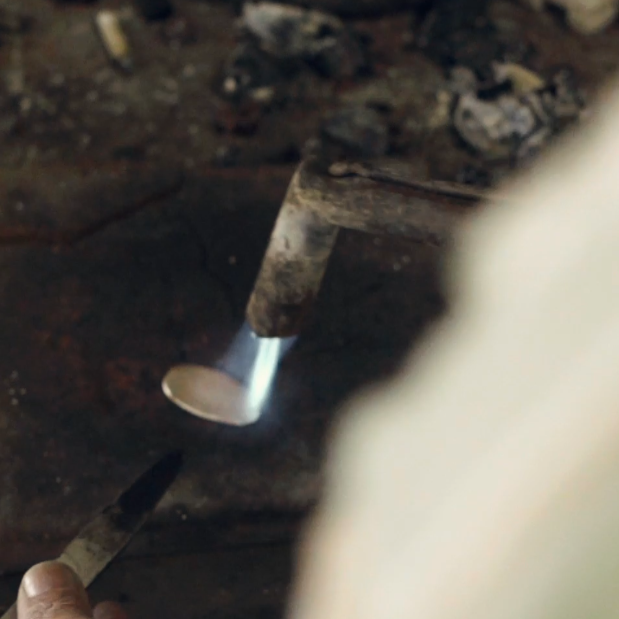
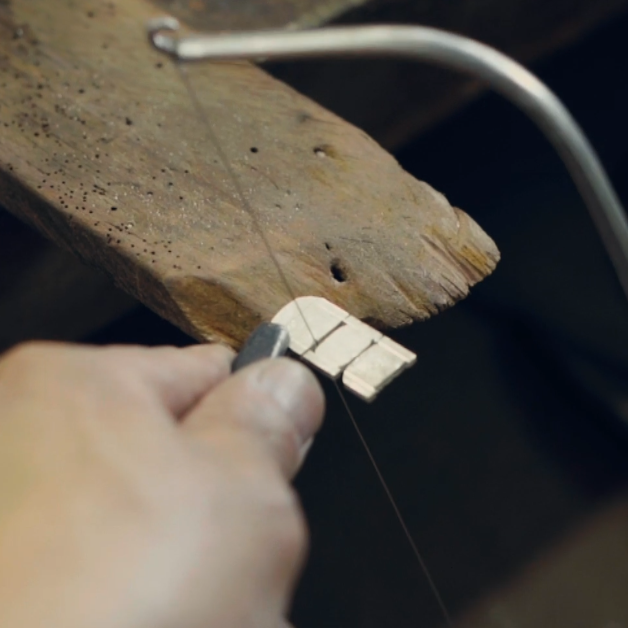
Pilak takes pride in their originality and
craftsmanship. Photos courtesy of the Department of Tourism.
Surviving challenges
Like most businesses, Pilak Silvercraft and Gift Shoppe was not spared from the negative effects brought
about by the pandemic. Sales took a hit as people opted to allot their budget to more essential items.
“We’re trying to keep everything afloat kasi ‘pag nawala kami, wala nang gagawa ng silver (if we don’t, no
one else will keep making silver),” Marcelo says.
Despite challenges, he and his team of crafters still made efforts to remain relevant and be of help to the
community. Upon knowing about copper’s antimicrobial properties, Pilak created their very own version of
protective gear that won’t expire: a mask shield made of copper. While their copper shield is not meant to
replace the recommended medical-grade masks, at Php 1,200, customers would be able to cop this extra layer
of protection.
Aside from running the business and overseeing its marketing and accounting functions, Marcelo has been
taking part in food donation drives for different sectors during the lockdown as part of Baguio’s creative
community.
Marcelo also represents the metalcrafts industry in the Baguio Creative City Council, a group that
spearheads the development and implementation of strategic plans and programs on crafts and folk arts
pursuant to its commitment with the United Nations Educational, Scientific and Cultural Organization
(UNESCO) Creative Cities Network.
He also works with Baguio Arts and Crafts Collective, Inc., a platform for cooperation, coordination, and
sharing between and among the artists, artisans, and creatives in the city.
Passing the craft
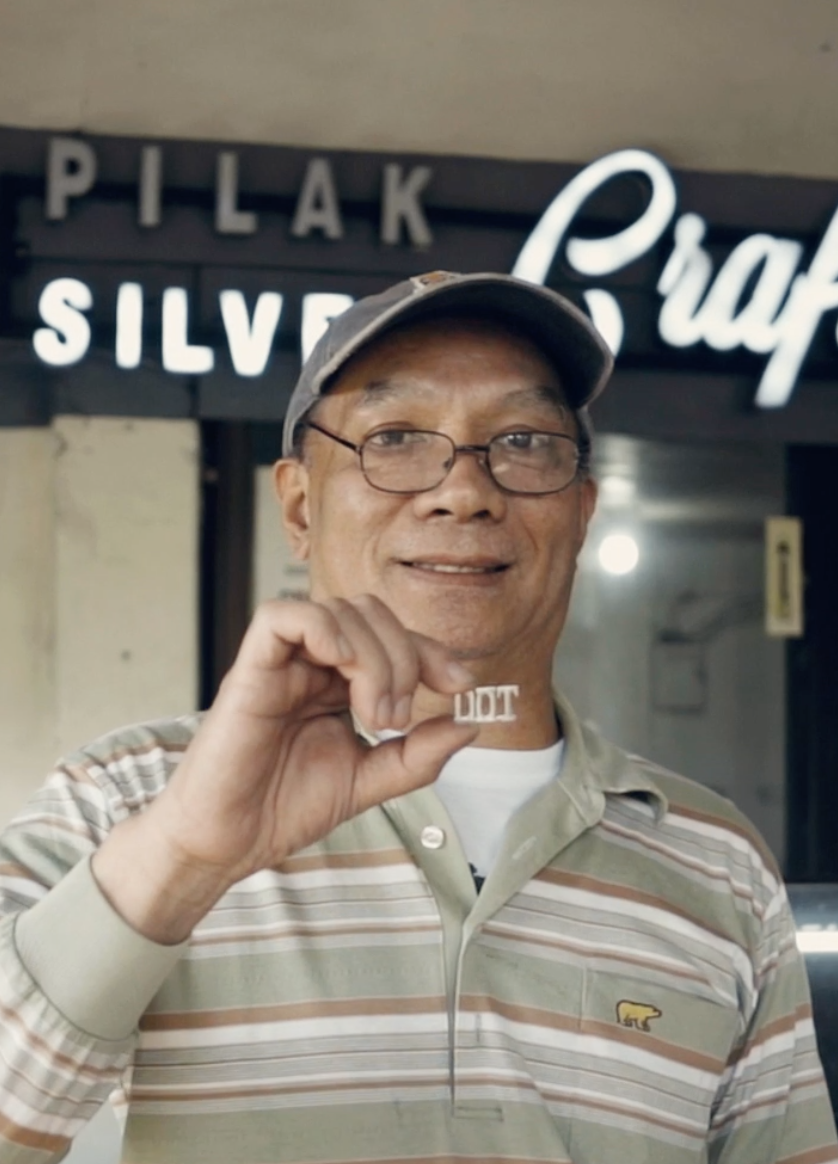
Pilak’s staff proudly shows a handcrafted silver DOT
(Department of Tourism) nameplate. Photo courtesy of the Department of Tourism.
The main goal for Marcelo and the shop is for the local silver crafts industry to survive and ensure that
this time-honored skill will continue despite commercialization. To do this, he wants to educate the public
on the difference between machine-made and handmade silver works. While recognizing that price plays a big
factor in the purchasing behavior of consumers, he believes that the quality of the products should not be
compromised.
“Ang [silver] sa atin talagang puro. Iyon bale ang defining factor. Plus the fact na handcrafted ‘yan
and you’re helping the local industry (Our silver is pure and this is its defining factor. It’s also
handcrafted and you’re helping the local industry in the process),” Marcelo says.
Thankfully, events or initiatives that aim to uplift the creative industry in Baguio continued despite the
pandemic. Late last year, the Creative City Festival led by the City Government of Baguio, in partnership
with the Baguio Arts and Crafts Collective Inc. and supported by the Department of Tourism, Department of
Trade and Industry, and Baguio Tourism Council, included Pilak as one of the featured tourist destinations.
The event was a great opportunity for artists and artisans to showcase their craft and strengthen Baguio’s
image as a creative community where arts and culture thrive, even amidst a pandemic.
Aside from educating the public on what constitutes an authentic quality silver product, passing on skills
and teaching younger generations of the traditional handcraft is also important to Marcelo.
Pilak began conducting workshops for a few students two years ago to address this. In two weeks, students
were able to create basic silver pendants, rings, and earrings. Before the pandemic, they were also able to
organize workshops in coordination with TESDA for around 20 displaced miners.
While these workshops were halted because of the pandemic, Pilak aims to come up with similar teaching
programs once the situation is better. One of their unique ideas is to teach customers how to design and
make their own wedding bands.
Through these efforts, Pilak also hopes to contribute to strengthening Baguio’s strong reputation as a
creative community and hub for arts and crafts–a characteristic of the city which keeps tourists coming back
each time.
“The market is already understanding the difference between what’s authentic and what’s machine-made.
Maganda na yung trajectory (the trajectory is looking good)” Marcelo says. “I’m hoping that once
we recover from this pandemic, bumalik ang sigla [ng industriya] (the vitality of the silver
industry will return), so we could continue giving work to crafters and at the same time pass on the
skills.”
Pilak Silvercraft and Gift Shoppe is located at #37 Leonard Wood Road, Baguio City and #10 Mines View Park,
Baguio City. They are open from 9AM-6PM daily except on Wednesdays.
Facebook page:
https://www.facebook.com/PilaksilvercraftOfficial/
Website:
https://pilak-silvercraft-and-gift-shoppe.business.site/