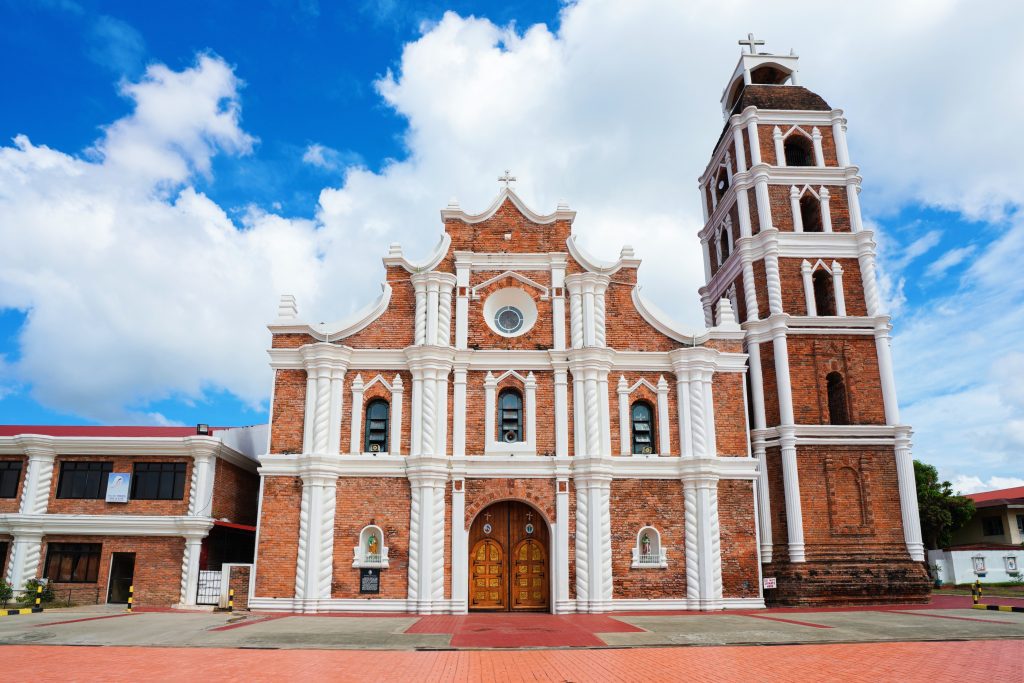
Filipinos likely know Tuguegarao as one of the cities in the Cagayan Valley region that has a record-setting heat index during the summer, with temperatures going as high as 42 degrees Celsius.
But there’s more to Cagayan province’s capital. In fact, it is rich with historic churches, sights to see, and food to eat. All of these are exactly what’s shown in the city’s heritage tour.
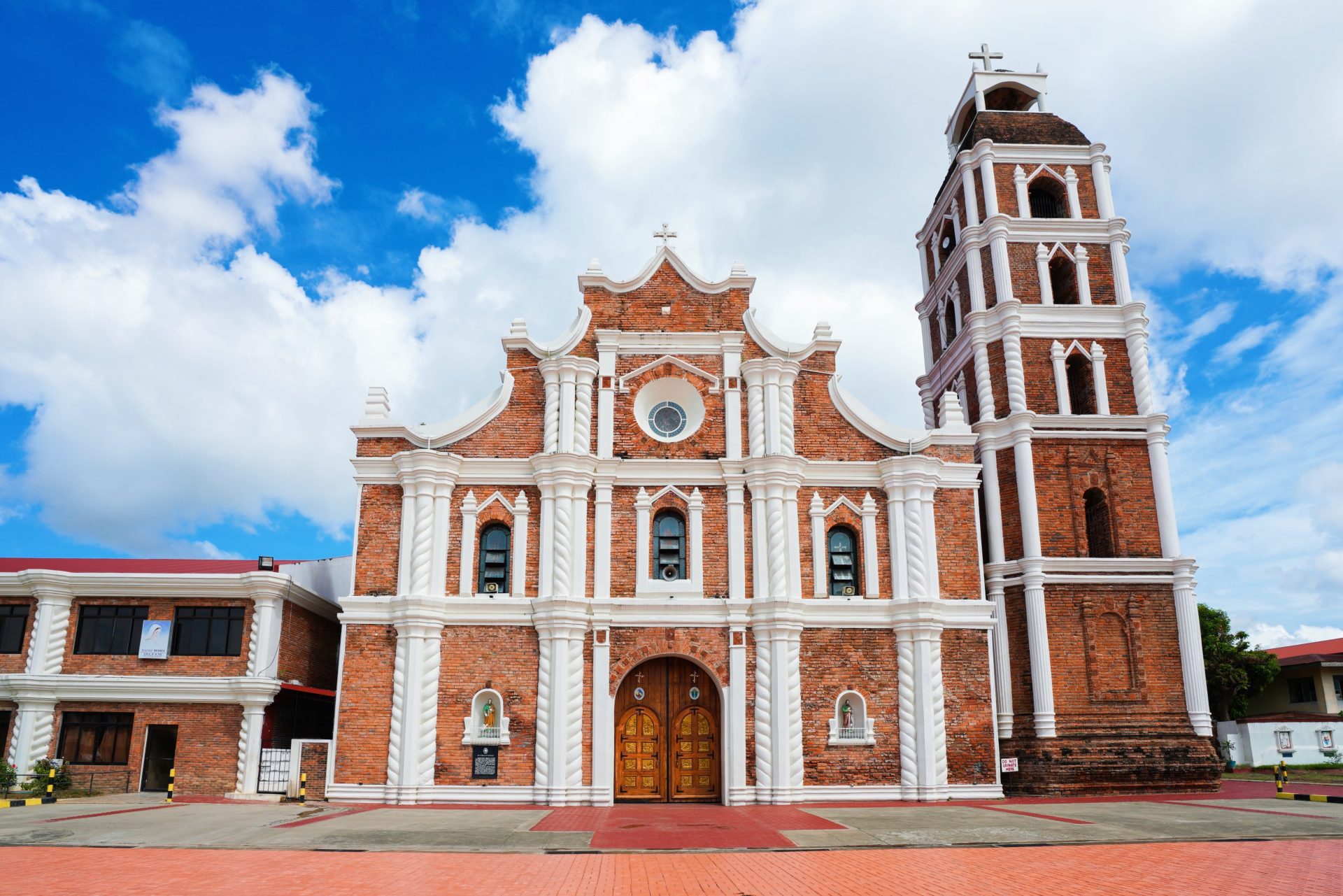 The St. Peter Metropolitan Cathedral is an 18th-century Baroque structure and is the seat of the Archdiocese of Cagayan’s capital, Tuguegarao. Photo by SinoPinas courtesy of the Department of Tourism.
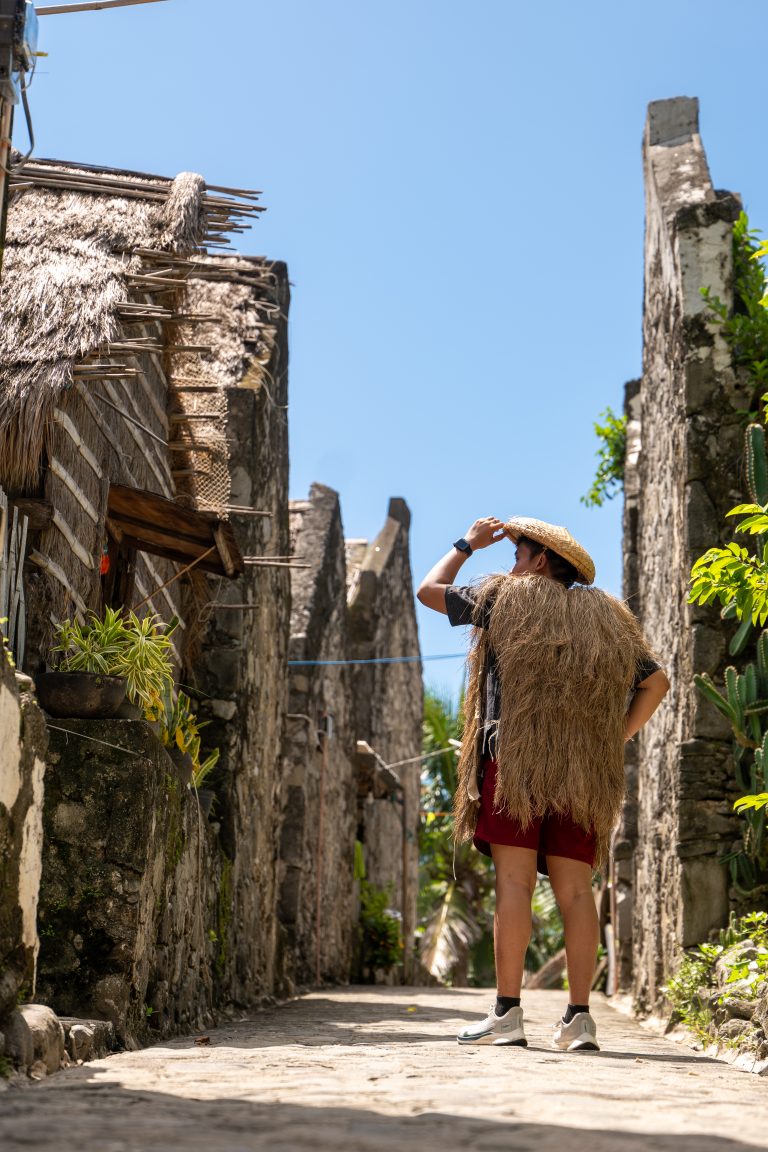
Experienced partly by foot and on board a kalesa , the day tour takes guests to all of the city’s must-visit places.
“The heritage tour is within four of the city’s 49 barangays, particularly Barangays Centro 6, 8, 9, and 10,” a video on Tuguegarao City Tourism Office details. “Tour guides within what we call the heritage zone were trained by the Department of Tourism and the Provincial Government of Cagayan – Cagayan Tourism Office.”
For Php550, here are what’s included in the tour:
Cagayan Museum and Historical Research Center
The tour begins at the Cagayan Museum and Historical Research Center in Barangay Centro 10. Here, guests will be oriented about house rules and general facts about the attraction before going on an hour-long tour of the center.
The museum is located inside what used to be the Tribunal de Tuguegarao that once housed key Spanish colonial era offices.
It now features a collection of artifacts, antiques, ethnography, trade wares, heirloom pieces, and liturgical works of the province as well as fossils of animals endemic to the region that are now extinct. Extensive data on the discovery of Callao Man by the National Museum of the Philippines can also be found here.
Rizal Park
The next stop, Rizal Park, is just in front of the museum.
The Rizal Park was formerly the site of a monument in honor of Fr. Antonio Lobato de Santo Tomás, the man behind the present town plan of Tuguegarao. The Rizal statue in this park stands at the center of what used to be the old plaza.
It was in 1918 when the then Cagayan Governor Honorio Lasam, a contemporary of Rizal at the Ateneo Municipal, inaugurated the monument dedicated to the hero.
The Cagayan provincial government-managed monument features a column made of tobacco leaves, the produce of Cagayan during the Spanish regime. There is also a statue of four women, which represent the four cardinal virtues.
Tuguegarao East Central School
The current Tuguegarao East Central School, just in front of the Rizal Park monument, was the former seat of the city government during the Spanish colonial era. In 1960, it was officially converted to a school.
The former municipal hall of Tuguegarao got its current look from a 1909 reconstruction and multiple renovations throughout the years. Many of its original features remain: the facade of the main building, the wooden staircase, window grills, and the Spanish-era brick fences.
Longganisa – making Industry
The next part of the tour takes the visitors to Barangay Centro 9, specifically at Cadatal’s Meat Products. Here, guests can watch and take part in the making of Tuguegarao longganisa or pork sausage, from mixing the coarsely-ground pork, black pepper, garlic, coarse salt, and cane vinegar, to putting the mixture in hog casings.
Aptly called Ybanag longganisa, Tuguegarao is known for this take on the ‘national’ pork sausage. It originated from the Ybanag locals, the language of which is the standard dialect of the city. This partly explains why the city’s version of the longganisa is part of the heritage tour.
The Tuguegarao Longanisa however, has been made famous by the Department of Tourism, promoting the delicacy as breakfast fare and snack with local pandesal in their travel and tourism fares.
Visitors can try the longganisa on the spot and buy a few packs to take home.
Horno Ruins
Still in Barangay Centro 9, is the ruins of one of the three Spanish-era horno , a brick kiln. During the Spanish era, the Horno was used to bake the bricks used in building the Spanish colonial churches in Cagayan and Southern parts of the Province of Isabela.
“In the 16th century, the horno significantly marked the transfer of brick-making technology to the local residents of the then-municipality of Tuguegarao,” a marker installed in the area states. “Conspicuously constructed at the southern portion of Tuguegarao with a panoramic view of the Cagayan River, this is where the clayish soil along the banks of the river was used as a primary material for the bricks before oven-baking.”
The marker adds that the said horno supplied bricks to structures built in the adjacent municipality of San Pablo, Isabela.
In the city stands two Spanish era churches: the St. Peter Metropolitan Cathedral and the St. Hyacinth Church.
Pancit Batil Patung
Just outside the Spanish horno is a panciteria. It’s one of the many in the city serving pancit batil patung , a noodle dish that Tuguegarao locals consume as a daily staple, much like rice.
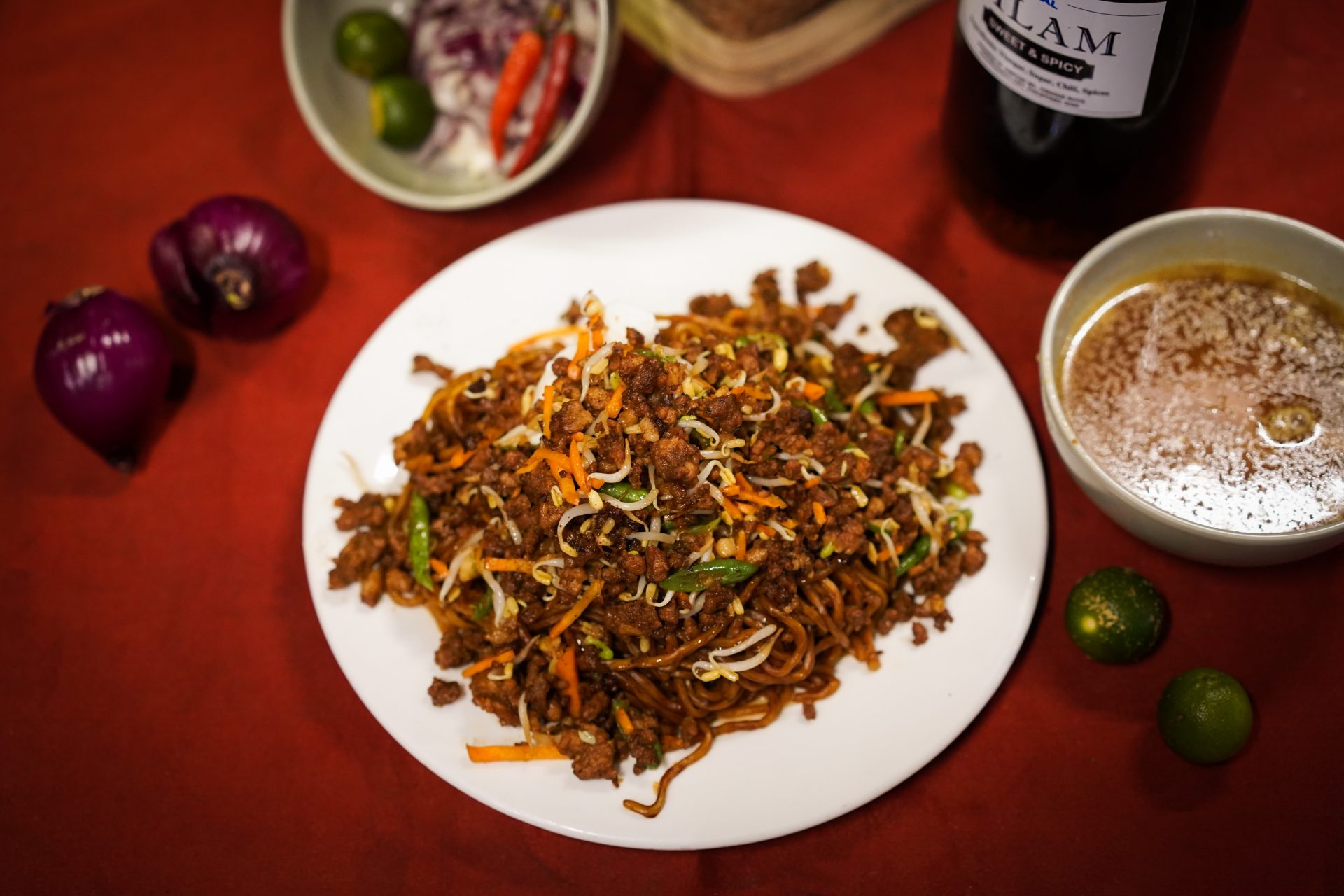 Pancit Batil Patung, Tuguegarao’s “most iconic food,” has two components: the noodle dish with miki, cara-beef, fried egg, and other toppings, and the beaten egg drop soup called kaldo. Photo by SinoPinas courtesy of the Department of Tourism.
At the Horno panciteria, guests can see how a local spin on a Filipino food favorite is done. This includes the making of the miki noodles, as well as the preparation of cara-beef, poached egg, and other toppings, and the beaten egg drop soup called kaldo that comes with it. The word Kaldo i s an Ibanag term for the soup which is made of cara-beef broth with beaten egg.
Having both the noodle dish and the soup, along with a side of chopped onions, soy sauce, chili, and vinegar sauce or calamansi to taste, makes the experience authentic.
“You’ve never really traveled to Tuguegarao if you’ve never had pancit batil patung ,” says Eric Lim, owner of another restaurant in the city, Lokal Kanan + Pasalubong. “It’s easily the most iconic food of the city.”
With the plethora of panciterias in the city, what separates one from the other’s pancit batil patung is the topping. Some put carajay or deep-fried pork belly slices, chicharon bulaklak or crispy pork intestine, and even—get this— balut or fertilized duck egg.
The panciteria and choice of toppings determine the price at which each serving comes, which typically range from Php60 to Php150. For heritage tour participants, however, a serving of pancit batil patung will be readily given.
Today, the local folks are encouraging the use of local dialect in naming the dish as Pansit Batil Potun.
Ermita de San Jacinto Church
A kalesa or horse-drawn rig ride, at the city’s Barangay Centro 8, is a four century-old church—the Ermita de San Jacinto Church or the St. Hyacinth Church
Built in 1604 with the Dominican friars at the helm, the structure was initially a stone chapel and the first parochial building of the said missionaries. It was later reconstructed with the bricks from the horno in 1724 through Fr. Bernabe dela Magdalena.
In 1739, the church was where Don Joseph Arzadun de Rebolledo of the Audiencia Real de Manila established the community fund and mandated policies for the residents of Cagayan. During the Filipino-American War, the church became the barracks of Filipino fighters and a shelter for American soldiers.
The church, dedicated to San Jacinto de Polonia, also did not suffer major damages during the Second World War. This is why the original 18th-century wooden retablo or altarpiece is still inside the church.
The Sisters of St. Paul of Chartres currently manage the church. It is home to the city’s patron saint, St. Hyacinth of Poland.
Beside the church is the St. Paul University Philippines campus. It houses a beautiful 20th century church called the St. Paul University Chapel, which looks like the Chartres Cathedral in Chartres, France.
St. Peter Metropolitan Cathedral
The tour ends where it began—Barangay Centro 10—with a tour at the St. Peter Metropolitan Cathedral. Also known as the Tuguegarao Cathedral, the church is an 18th-century Baroque structure.
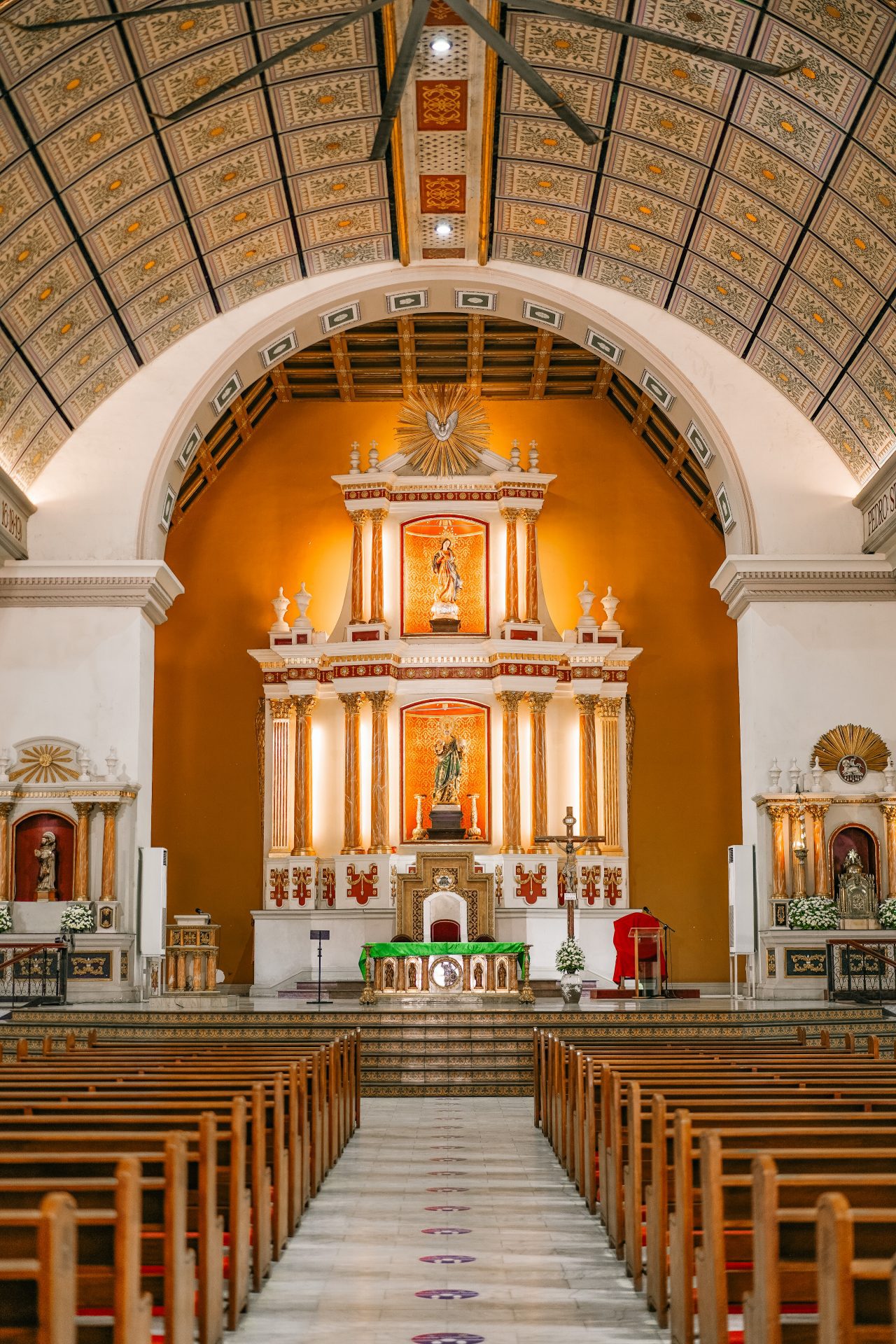 The St. Peter Metropolitan Cathedral features a cathedra, which is a raised throne behind the altar where the bishop typically stands when officiating the mass to symbolize his teaching authority. Photo by SinoPinas courtesy of the Department of Tourism.
The church was built for six years, from 1761 to 1767, with Fr. Antonio Lobato, a Spanish Dominican missionary, at the helm. The 17-meter wide, 50-meter long, and 50-meter high cathedral comes with a 40-meter belfry.
“It was built with bricks prepared in a horno or a brick oven,” says Rev. Bernard Corpuz, director and parish priest of the St. Peter’s Metropolitan Cathedral. “According to witness accounts, people lined up and passed each brick from the kiln or horno until it reached the cathedral for easier construction work.”
Parts of the cathedral were damaged during World War II, including the facade and the belfry, but restoration work soon started after the war. Corpuz says “the picture of the cathedral when it was originally built looked the same after.”
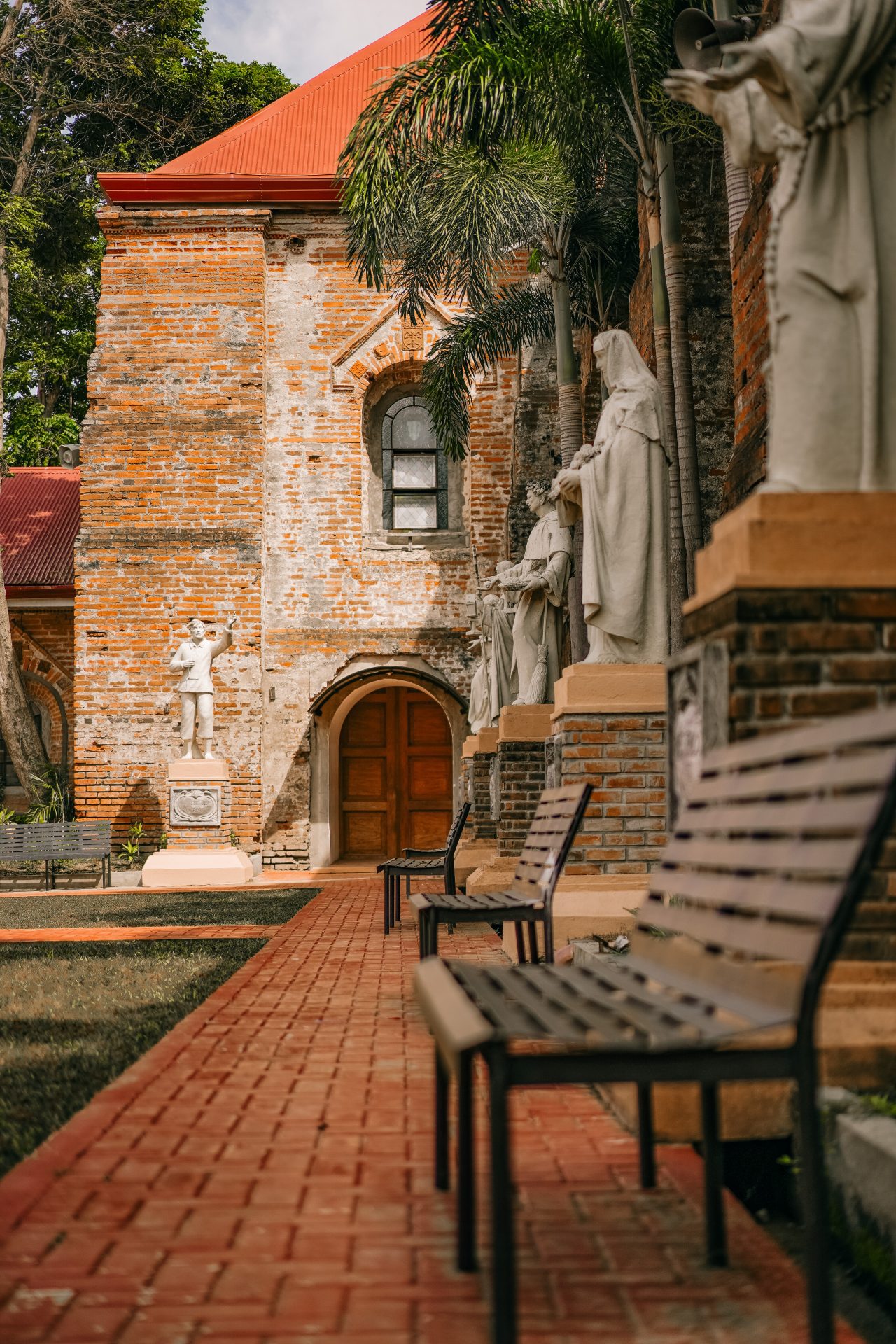 Apart from the church, St. Peter’s Metropolitan Cathedral also features a small courtyard built with red bricks similar to what was used to build the structure. Photo by SinoPinas courtesy of the Department of Tourism.
St. Peter’s Metropolitan Cathedral is currently the mother church of the archdiocese of Tuguegarao. A notable feature inside it is a cathedra, a raised throne placed behind the altar. It’s often called the bishop’s throne, too, as it symbolizes his teaching authority.
Upon arriving at the area, the visitors will be given a tour of the church and the compound where it is located. Features include the bishop’s house and a small brick courtyard.
Buntun Bridge
Though technically not part of the heritage tour, when in the city of Tuguegarao, any tourist must visit the Buntun Bridge.
Built in 1969, it is the second longest bridge in the country, just after San Juanico Bridge. But it is also the longest river bridge in the country spanning a river. It stretches from Tuguegarao to the municipality of Solana and over Cagayan River, the country’s longest , widest and largest river by volume.
The 1,369-meter bridge’s most notable features is its Japanese steel spanning 14 inches total, giving it a distinct look from afar. The bridge is more than 50 years old and used Japanese technology during its construction.
The best part of this structure, though, is not so much the bridge itself but the panoramic view of the Cagayan River it provides. It’s one way to end the day touring around Tuguegarao as it offers a stunning sunset view.
Motorists can safely stop at one end of the approaches to walk towards it for a closer look. It will be lit at nighttime.
Chicharabao
For souvenirs to give to family and friends back home, or for personal consumption, guests can buy packs of carabao chicharon. Tuguegarao locals love their carabao beef that they fry its skin until it turns into crisp and airy balls.
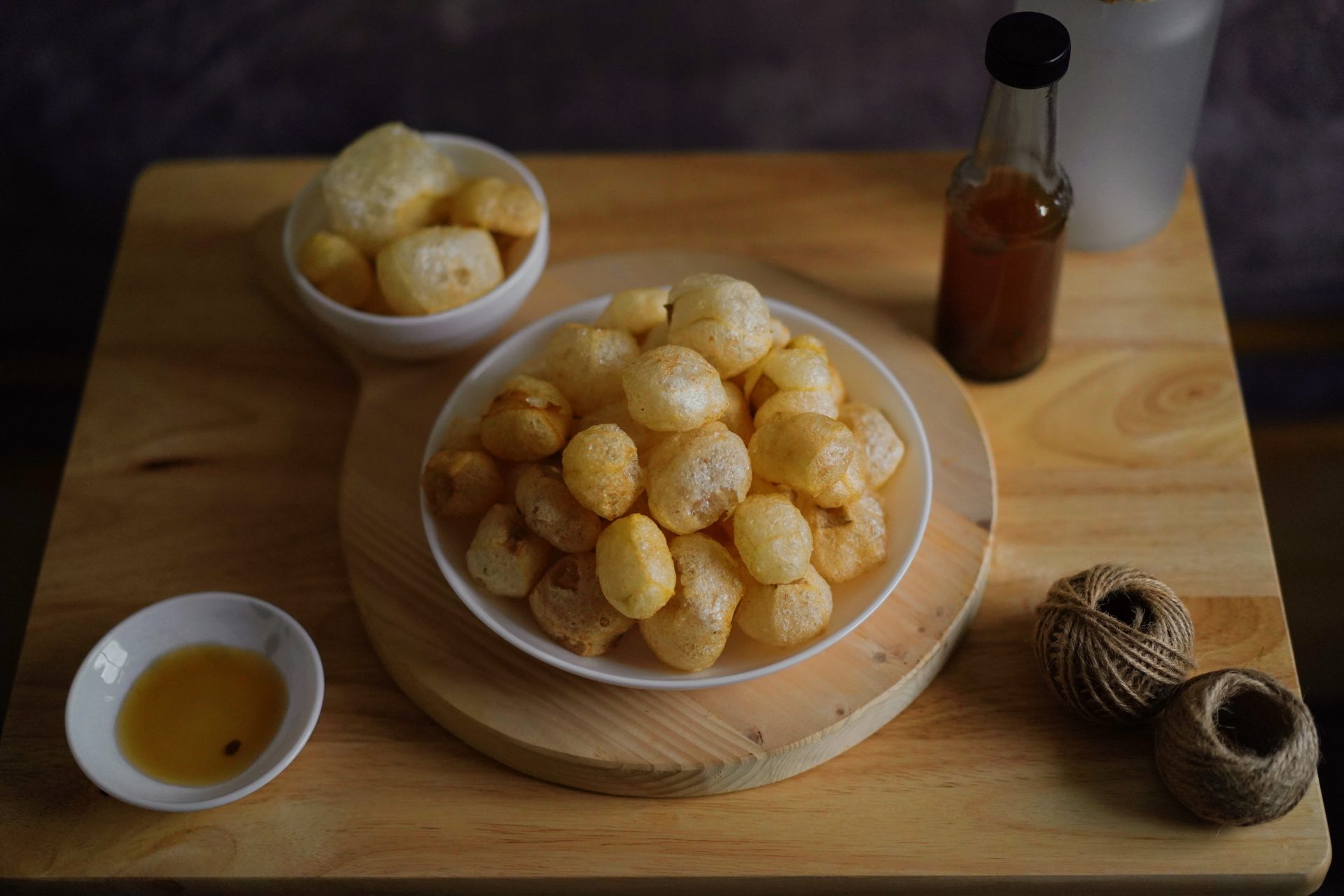 Chicharabao or carabao chicharon, which come in a variety of flavors like garlic, onion, vinegar, or plain salted are popular pasalubong items among visitors. Photo by SinoPinas courtesy of the Department of Tourism.
Much like chicharon or fried pork skin, it’s typically enjoyed simply seasoned with salt and pepper.
A local maker and seller of the snack, Lighthouse Cooperative, had better ideas. It offered it in three flavors: garlic, onion and vinegar, and hot and spicy. The same maker of the popular pasalubong even gave it the name it’s now known as, which is chicharabao, a portmanteau of chicharon and carabao.
Seeing the process of and participating in chicharabao-making are also not part of the heritage tour, but 80-gram packs of any flavor retailing for Php40 are readily available around the city.
For Department of Tourism-accredited accommodations, visit the official Cagayan Valley Tourism website, region2fun.ph .
Travel safely!
All tourist destinations in Cagayan have health and safety protocols in place to protect locals and visitors alike. Everyone is expected to comply by wearing face masks, regular handwashing, and practicing physical distancing.
To check out up-to-date information regarding local destinations that are open and the safety protocols and requirements needed for each location, you may visit philippines.travel/safetrip or download the Travel Philippines app at app.philippines.travel , Apple Store, or Google Playstore.