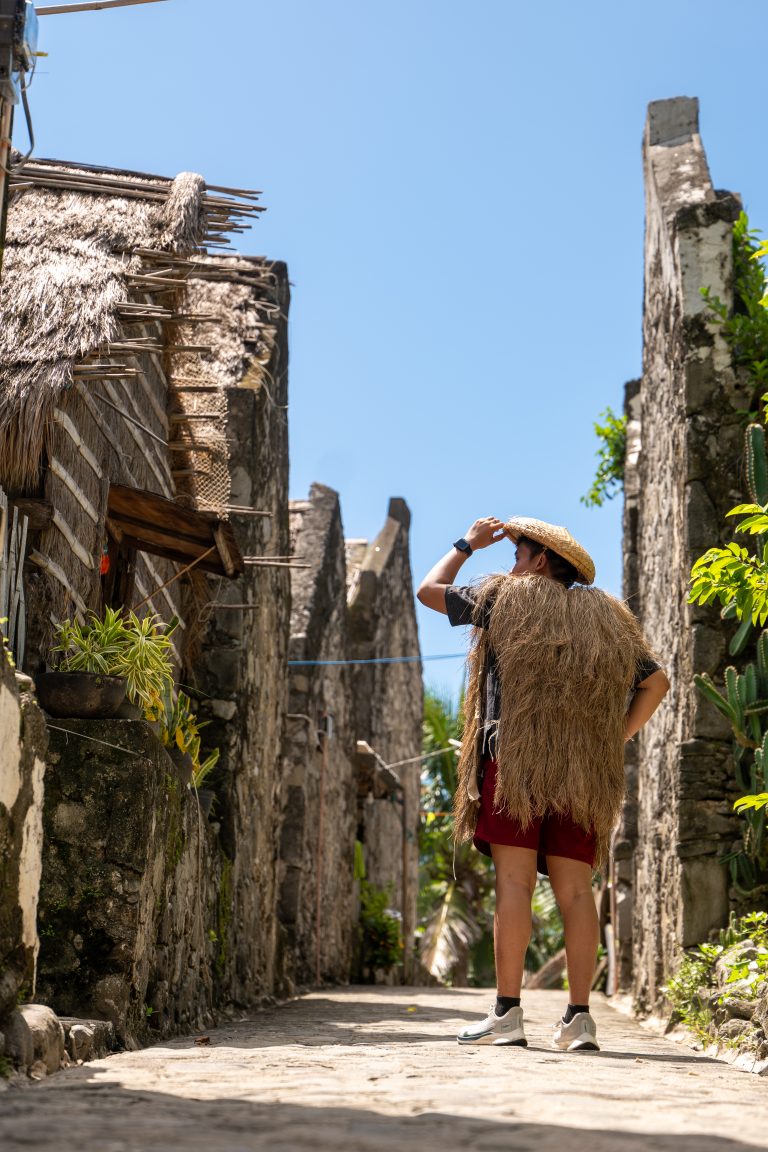

The Department of Tourism is embarking on strengthened efforts towards sustainability by enhancing existing destinations and developing new circuits that highlight sustainable management practices and involve local communities.
As tourism has a multiplier effect—creating not only jobs but also livelihood opportunities through offering of goods and services—sustainability ensures the preservation of destinations, thriving of culture and traditions, and inclusive growth. Moreover, as sustainability measures often involve the community, the locals themselves become part of the meaningful experience of their hometown’s visitors.
Here are the top sustainable tourism destinations for your next adventures in the Philippines and the communities that you will encounter on an unforgettable journey.
The eco-friendly locals of Mt. Hamiguitan and Mt. Apo in Davao
The Mount Hamiguitan Range Wildlife Sanctuary in Davao Oriental is Mindanao’s first and only UNESCO World Heritage Site, with attractions such as a pygmy forest where trees are stunted to only about 4.5 feet in height. There are 1,974 endemic plant and animal species that have been identified so far, including carnivorous pitcher plants, the iconic Philippine Eagle, Philippine cockatoo, and golden crowned flying foxes. The locals are engaged not only in tourism but also in sustainable livelihood programs. One of these is beekeeping using the native stingless bee species called ‘kiyot’. This also helps with pollinating and protecting Mt. Hamiguitan’s vegetation.
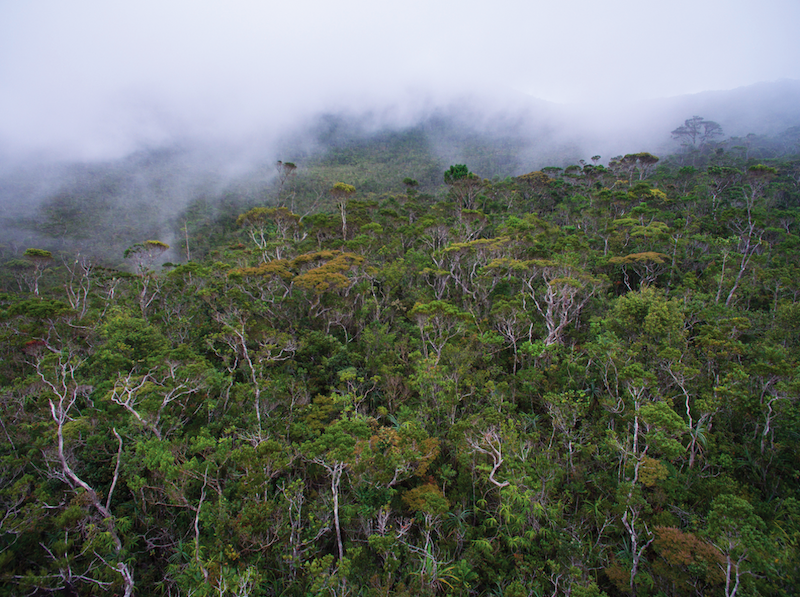 Mt. Hamiguitan. Photo courtesy of the Department of Tourism.
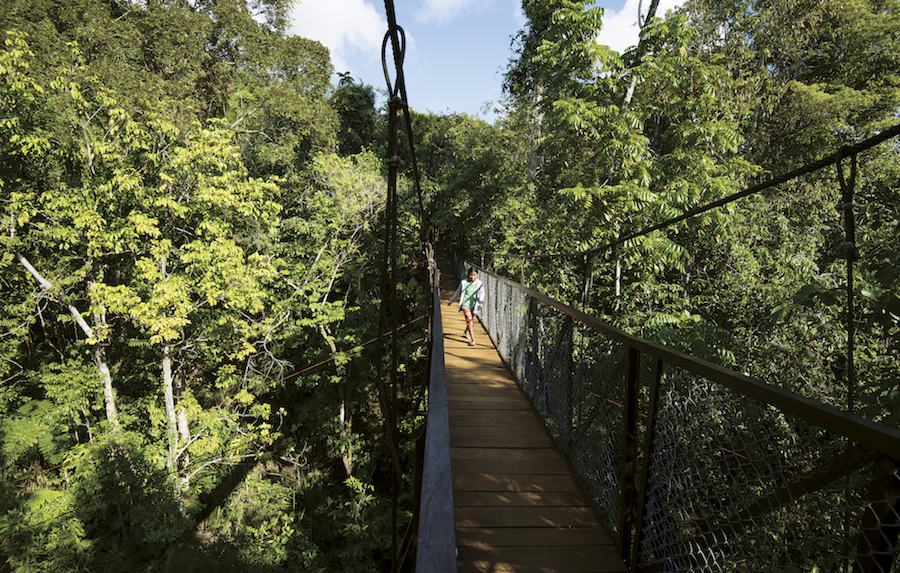 Mt. Hamiguitan. Photo by Jacob Maentz courtesy of the Department of Tourism.
 Philippine Eagle. Photo by Rhonson Ng courtesy of the Department of Tourism.
 Mt. Hamiguitan. Photo by Jacob Maentz courtesy of the Department of Tourism.
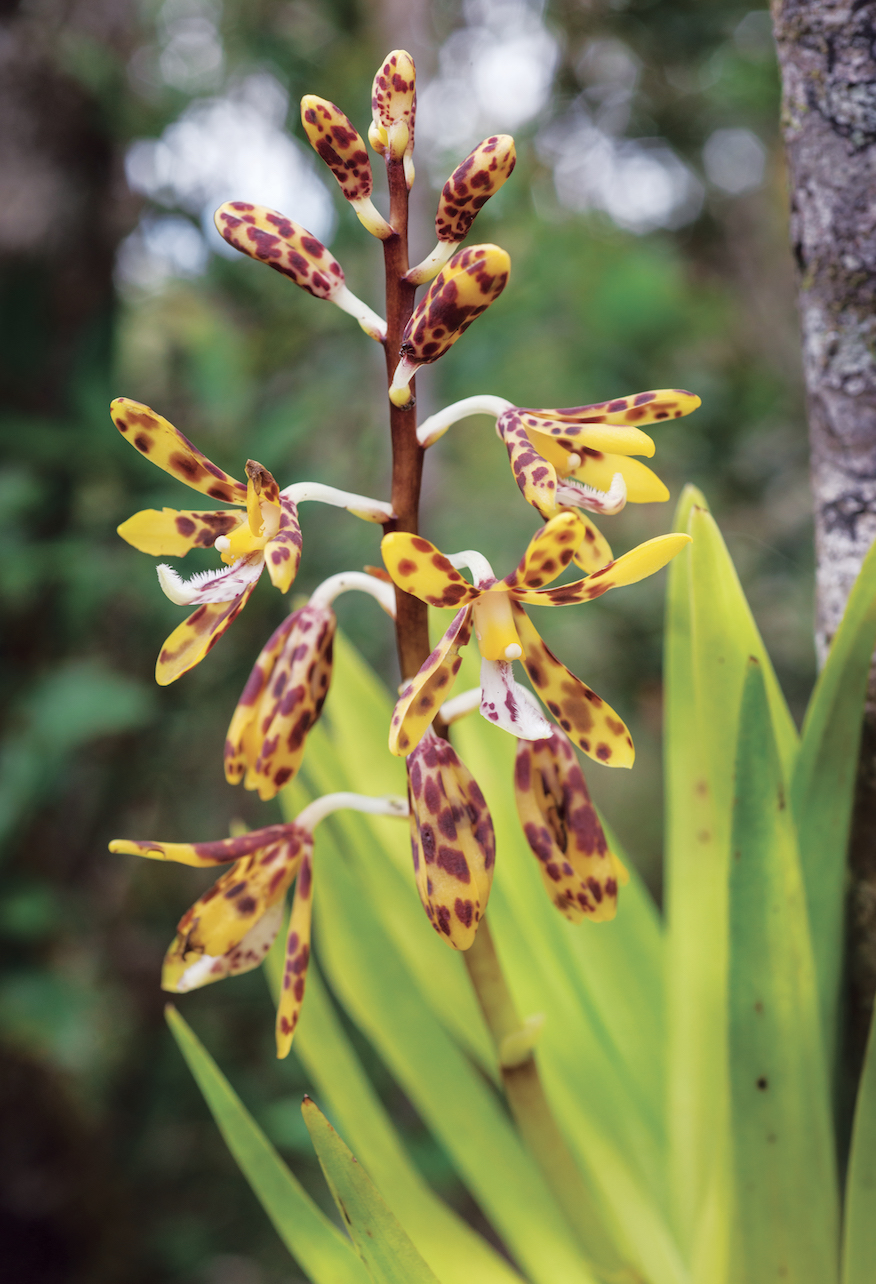 Mt. Hamiguitan. Photo by Jacob Maentz courtesy of the Department of Tourism.
The Mount Apo Natural Park is home to 272 bird species, 111 of which are endemic, including the Philippine Eagle which is the largest in the world. The mountain is also inhabited by several indigenous groups: the Manobos, Bagobos, and Klata who consider it as a sacred mountain. They perfectly demonstrate how to coexist in harmony with the environment. Trek porters are equipped by the local tourism offices to share their knowledge of the mountain and its conservation.
 Mt. Apo. Photo by Rhonson Ng courtesy of the Department of Tourism.
 Mt. Apo. Photo by Rhonson Ng courtesy of the Department of Tourism.
 Mt. Apo. Photo by Aya Lowe courtesy of the Department of Tourism.
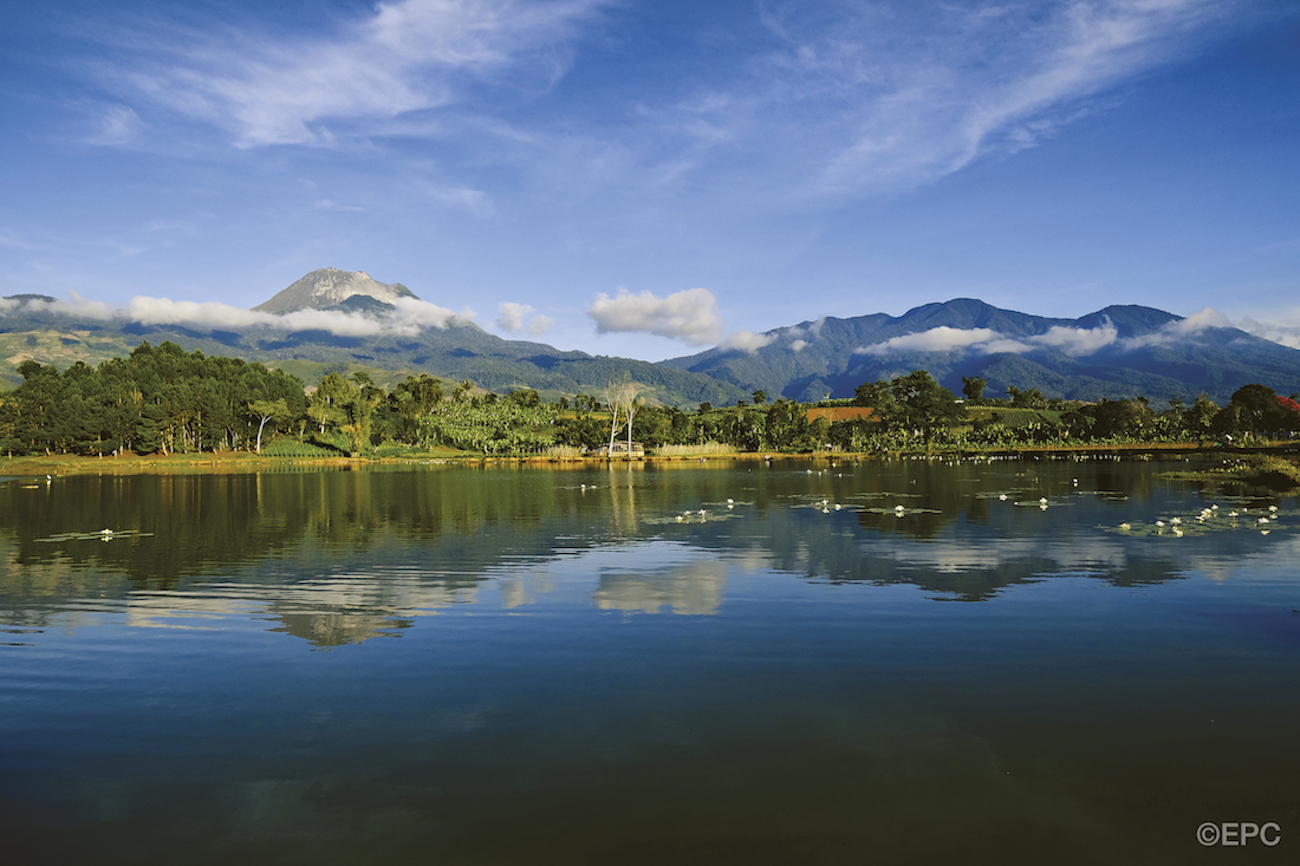 Mt. Apo. Photo by Rhonson Ng courtesy of the Department of Tourism.
The artisans of Ilocos, Panay Island, Eastern Visayas, and Central Mindanao
The women of Ilocos, particularly in the towns of Paoay, Vigan, Pinili, down to the towns of Santiago in Ilocos Sur and Bangar in La Union have been weaving from their homes since pre-Hispanic times. Their hand-loomed Inabel fabric, made from cotton blends is made into blankets, table covers, and even apparel, such as bags, shoes, and face masks for the new normal, with traditional designs that have been passed down through generations.
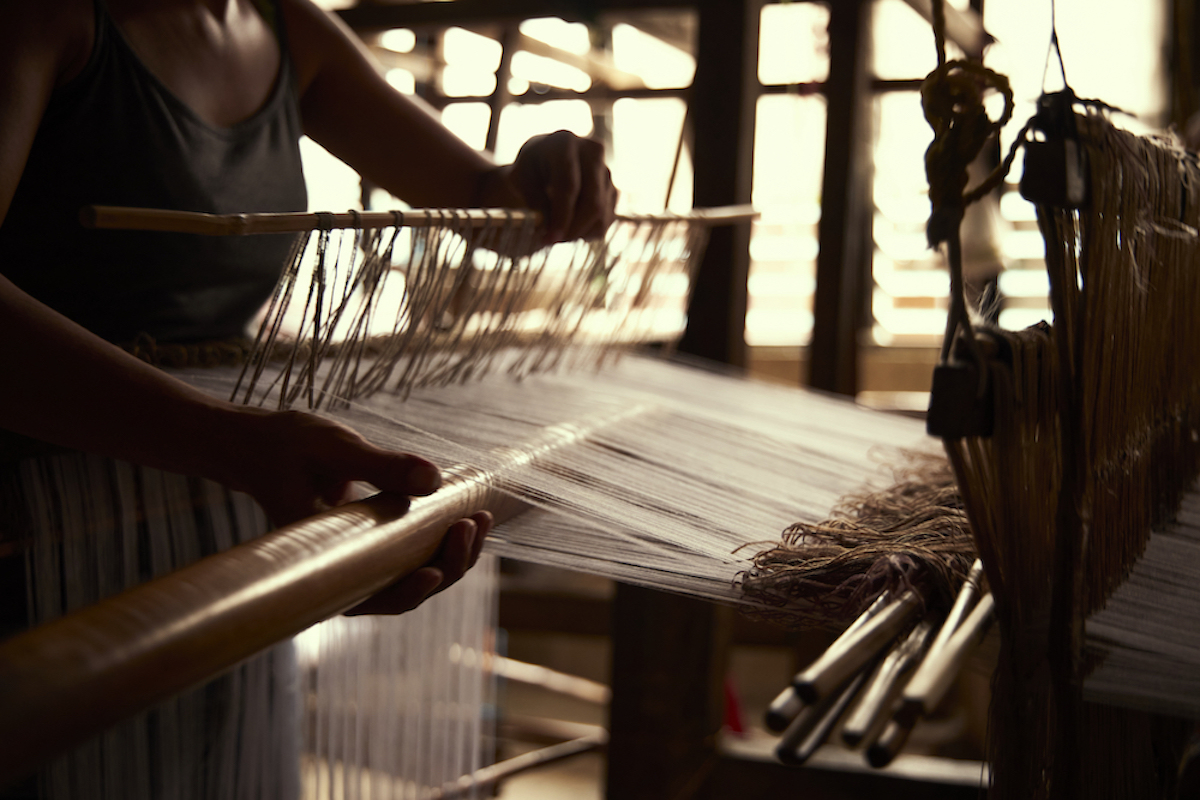 Ilocos weaving. Photo courtesy of the Department of Tourism.
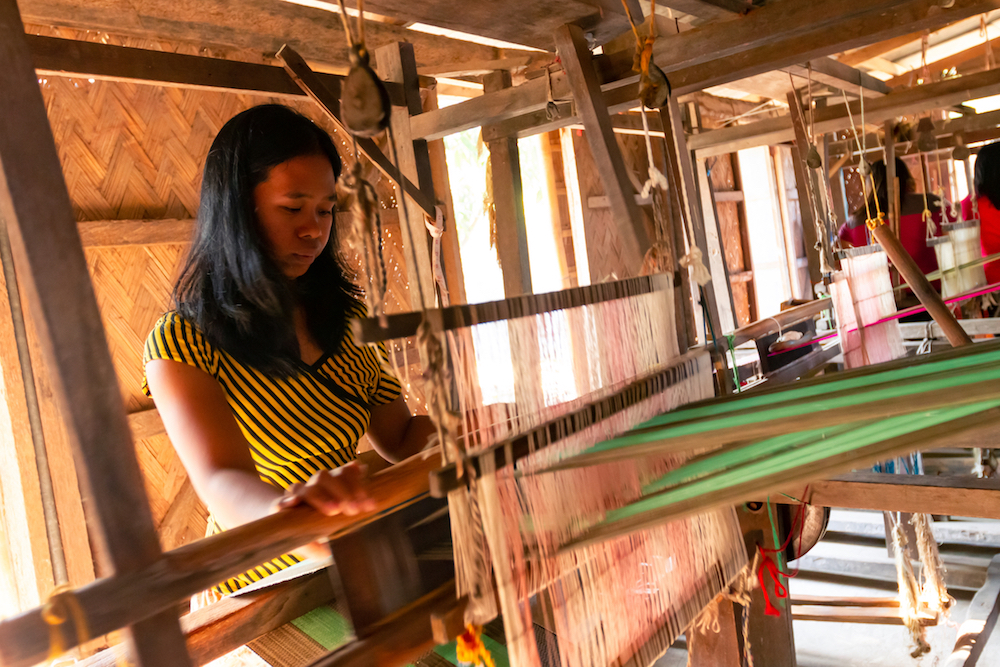 Ilocos weaving. Photo courtesy of the Department of Tourism.
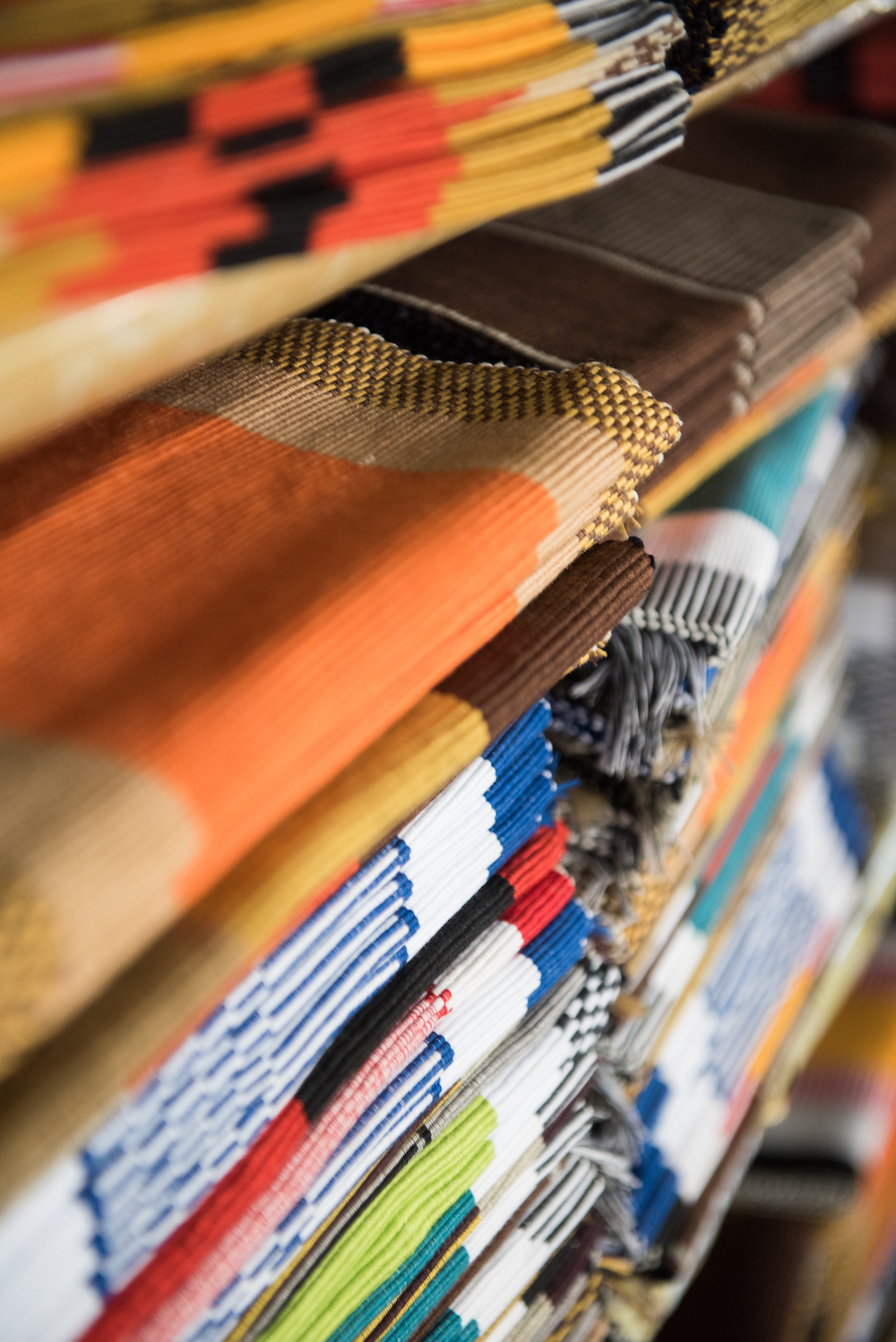 Inabel. Photo by Jacob Maentz courtesy of the Department of Tourism.
 Inabel. Photo by Erwin Lim courtesy of the Department of Tourism.
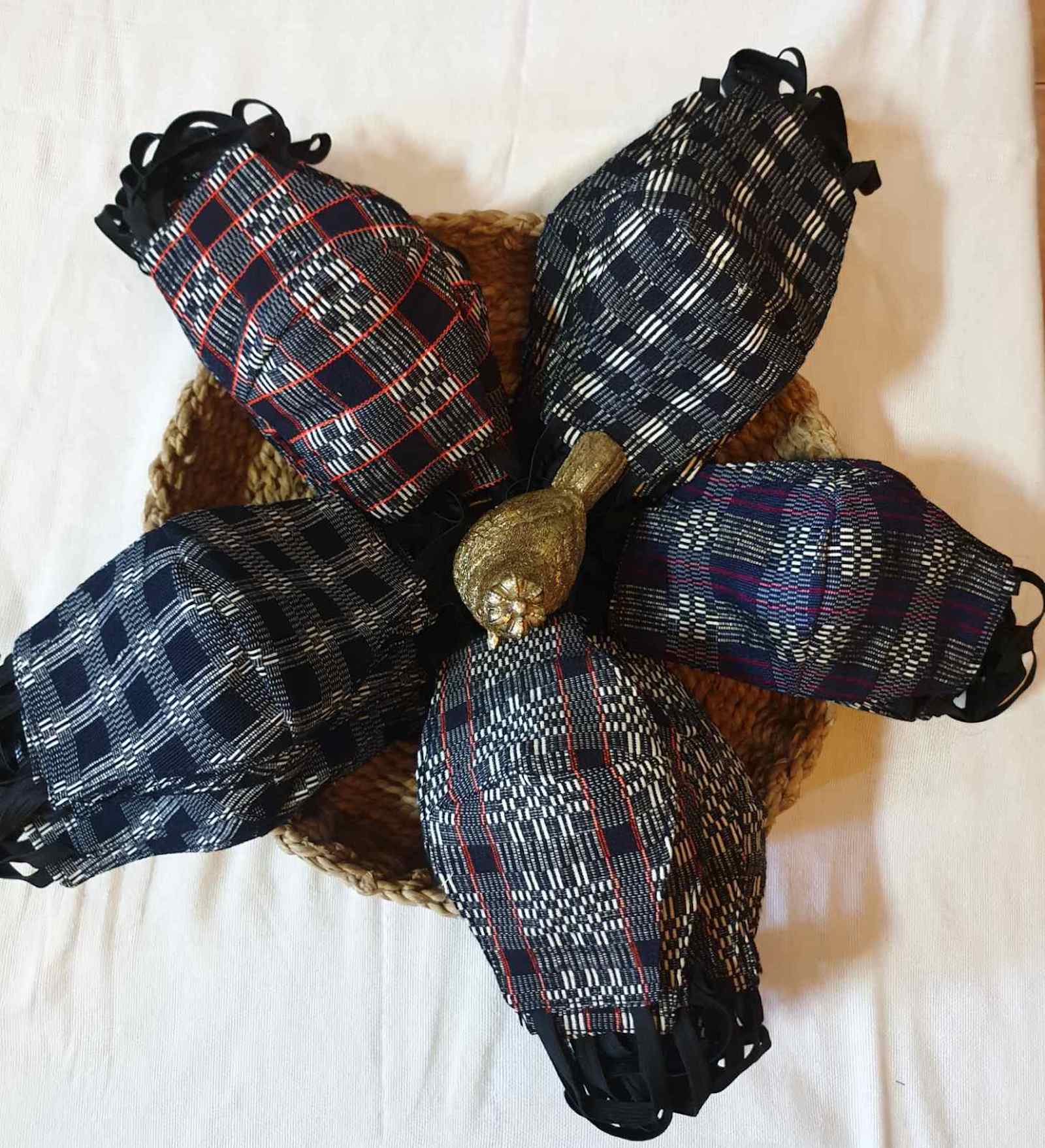 Abel face mask. Photos by I Love Abel courtesy of the Department of Tourism.
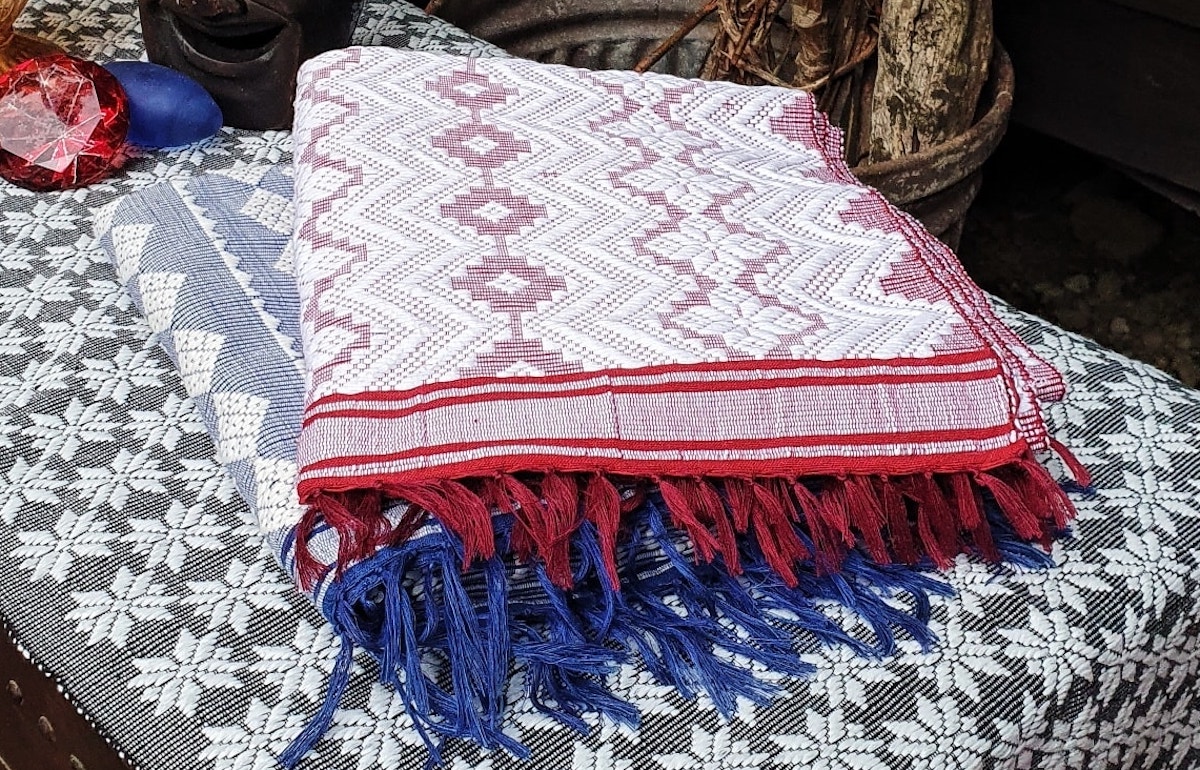 Binakol Abel Products. Photos by I Love Abel courtesy of the Department of Tourism.
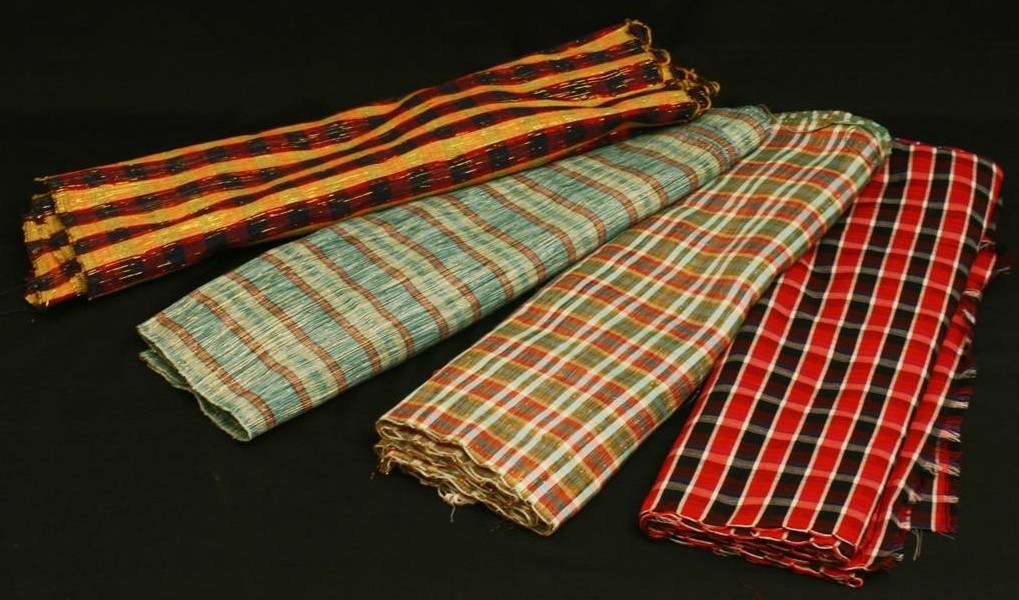 Binakol Cloth. Photo from Ilocos Region courtesy of the Department of Tourism.
Panay Island also has a proud tradition of weaving, with several weaving communities across the island. In Aklan, they dexterously weave the fibers of the piña or Red Bisaya pineapple plant into delicate-looking cloth made into home decor and even formal apparel. Aklanon weavers are known for their piña and silk cloth creations that are embroidered with floral designs while the weavers of Iloilo and Antique are known for employing the suk-suk or inlaid weft technique in hablon and patadyong cloth.
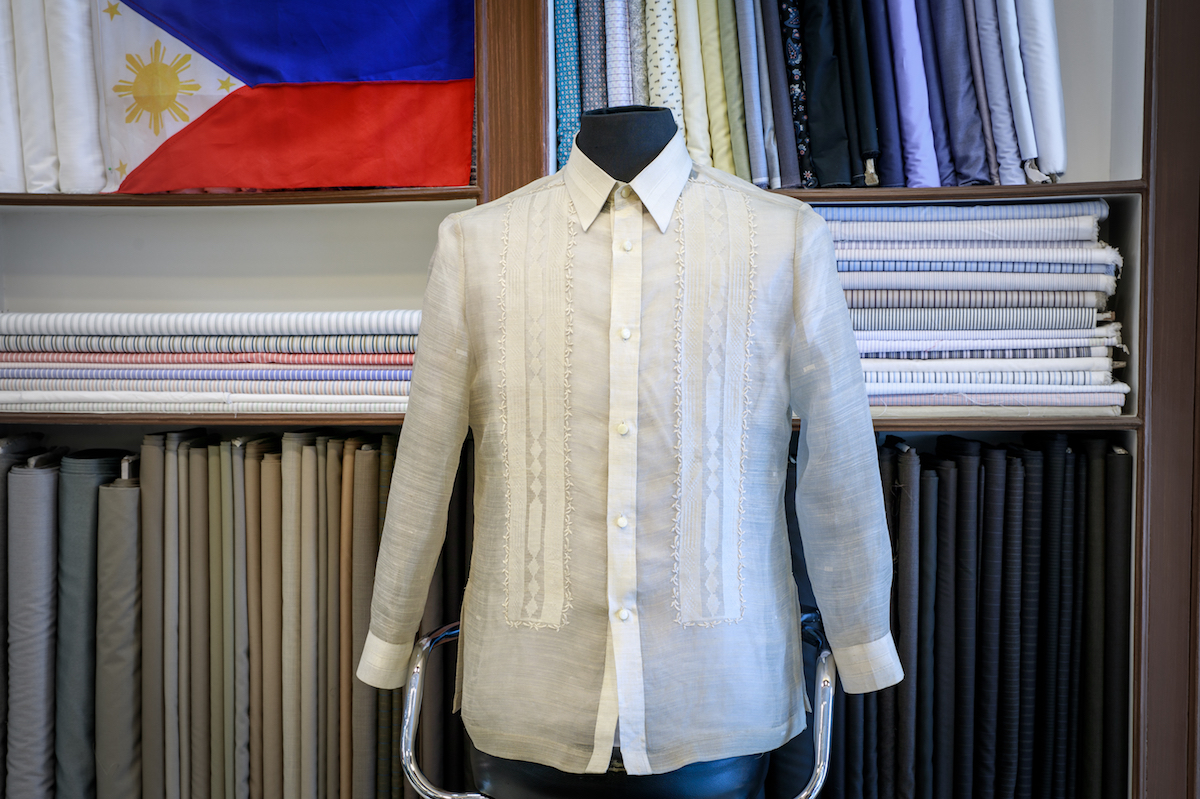 Barong. Photo courtesy of the Department of Tourism.
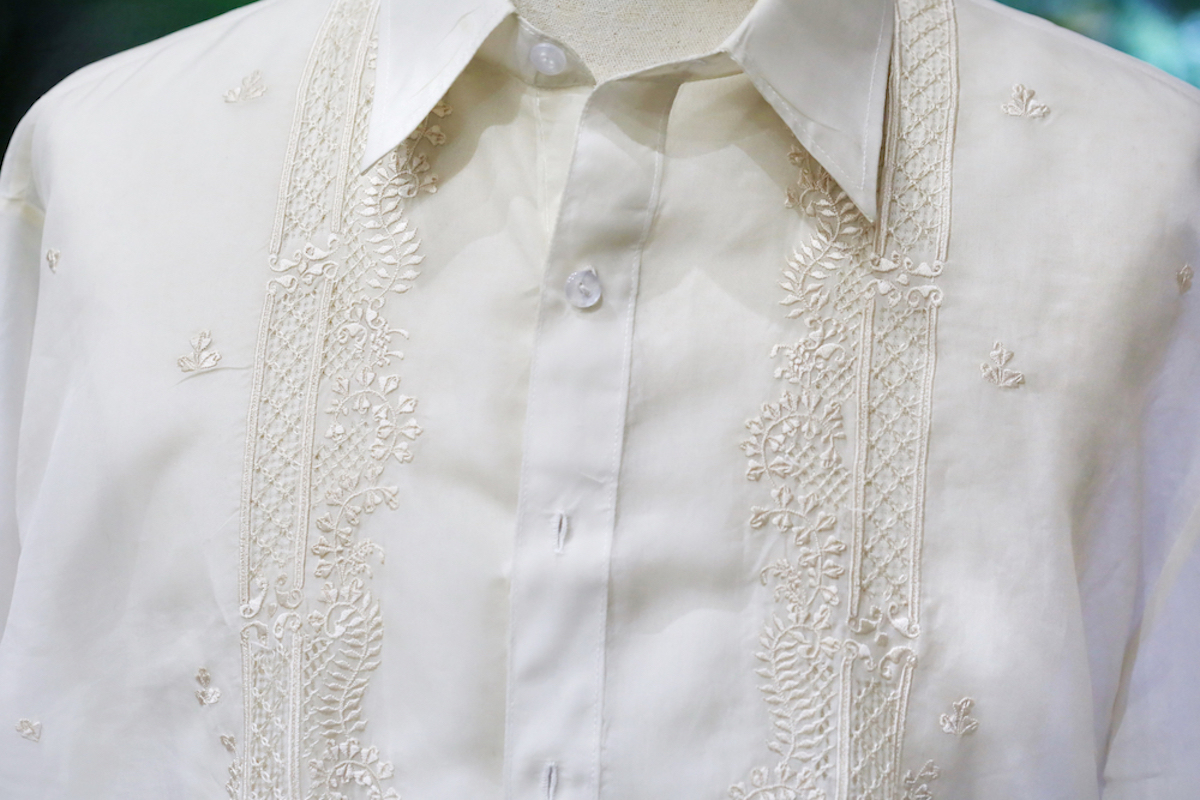 Barong. Photo courtesy of the Department of Tourism.
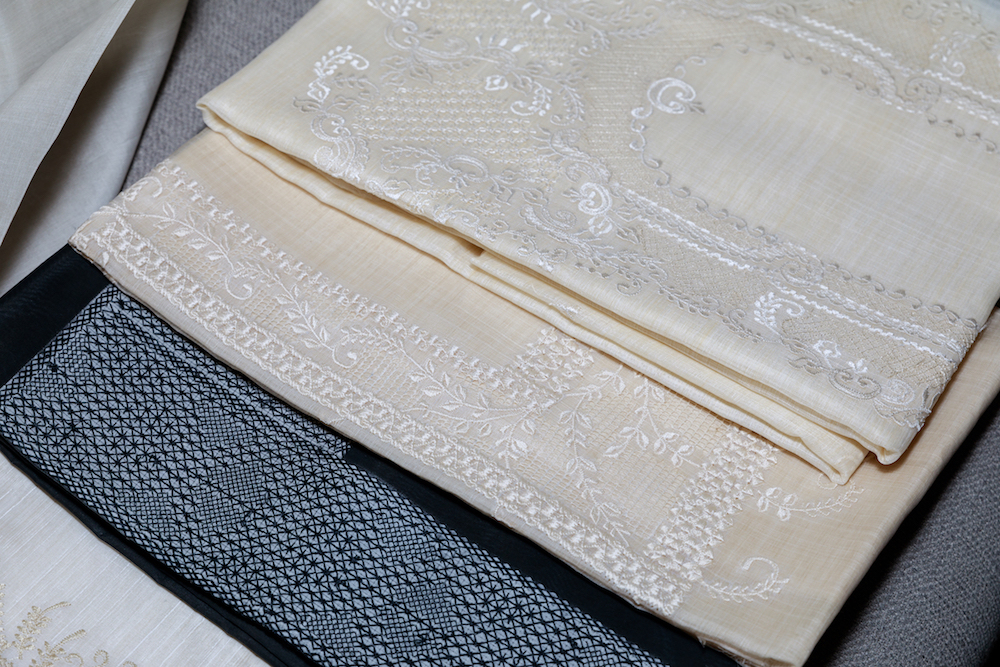 Piña cloth. Photo courtesy of the Department of Tourism.
Weavers in Eastern Visayas use materials harvested from plants that grow abundantly in their area to craft mats that can be used for sleeping or fashioned into decorative items such as place mats and plant holders or even bags and fans. These materials range from abaca, buri palm, coconut leaves and ribs, rattan and tikog or reed grass, pandan, pawa which is a type of thin bamboo, and seagrass.
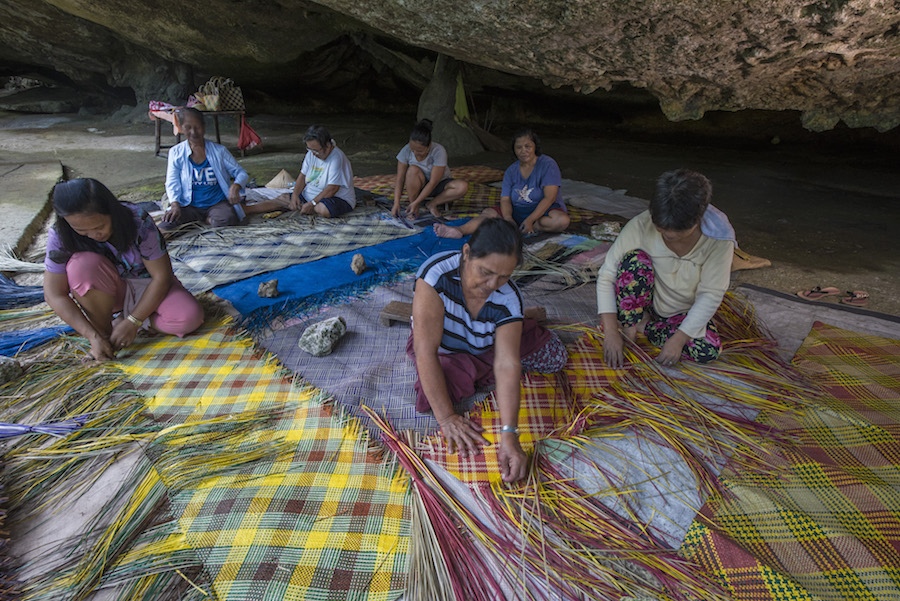 Photos from Eastern Visayas Region courtesy of the Department of Tourism.
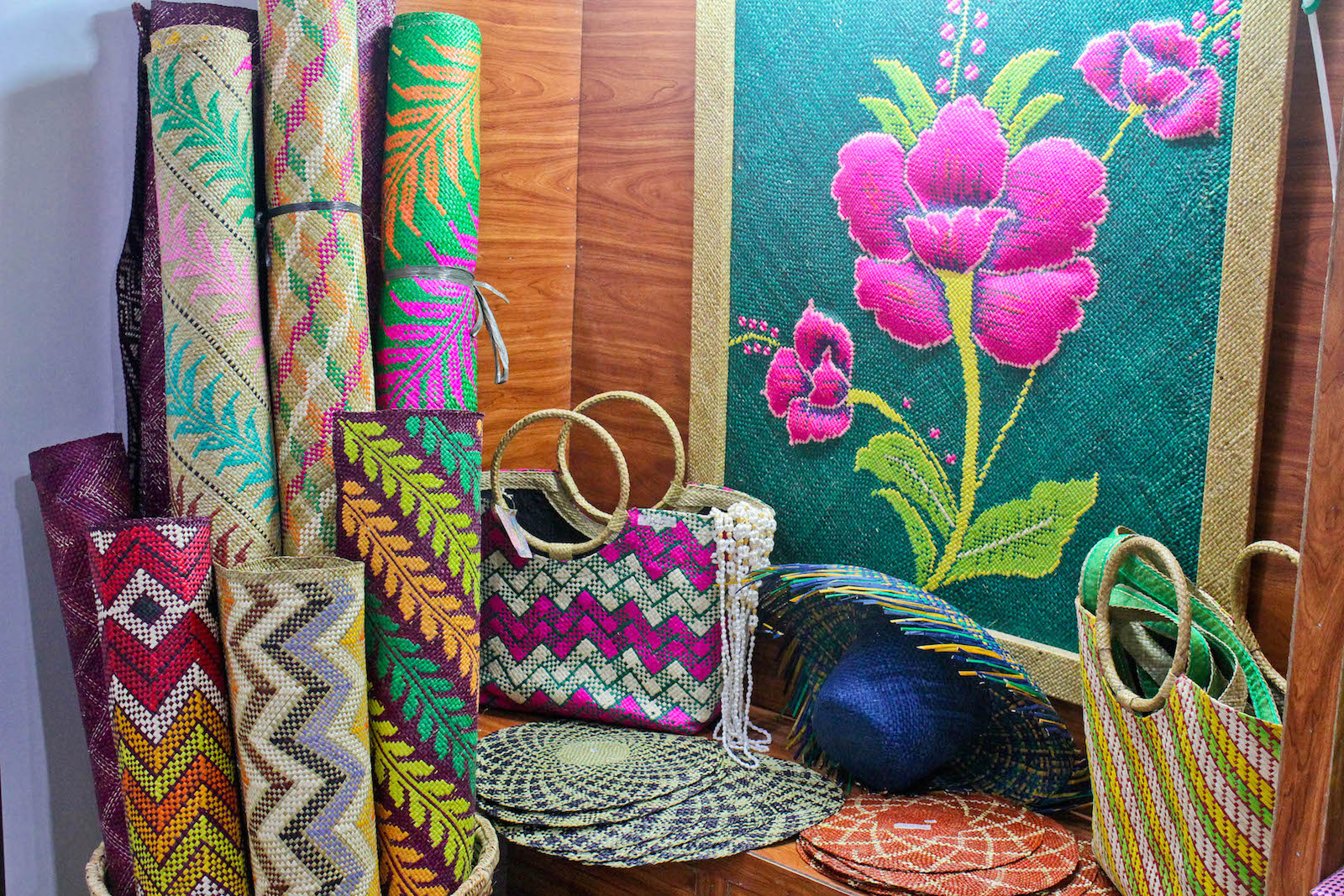 Photos from Eastern Visayas Region courtesy of the Department of Tourism.
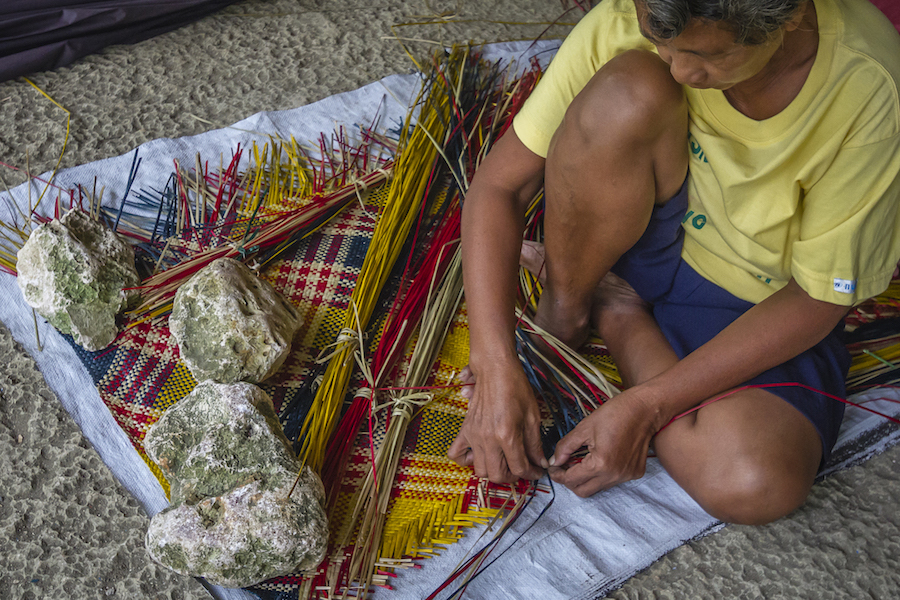 Photos from Eastern Visayas Region courtesy of the Department of Tourism.
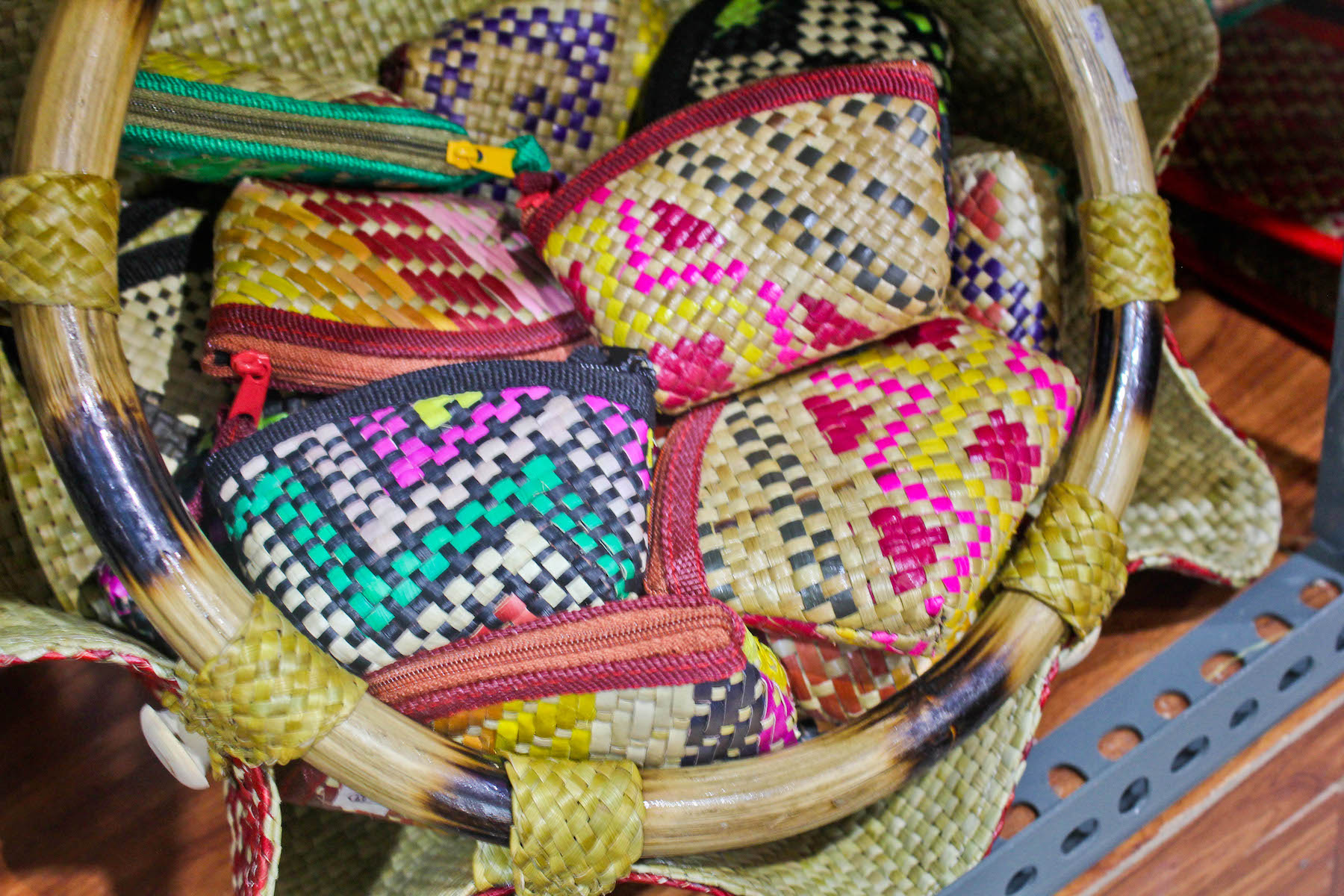 Photos from Eastern Visayas Region courtesy of the Department of Tourism.
The surfing communities of La Union, Baler, Siargao, Surigao del Sur and Eastern Samar
The surfing hotspots of the Philippines have produced not only a burgeoning tourism industry but also world-class local surfers. Those living in the islands have picked up the sport and the waters of La Union, Baler, Siargao, Surigao del Sur and Eastern Samar have increasingly seen more locals on their boards. These friendly Filipino surfers are the embodiment of the laidback local surfing lifestyle and are also staunch advocates of caring for their marine environment.
 Surfing community. Photos by Paco Guerrero courtesy of the Department of Tourism.
 Surfing community. Photos by Paco Guerrero courtesy of the Department of Tourism.
 Surfing community. Photo by Gaps Sabuero courtesy of the Department of Tourism.
 Surfing community. Photo courtesy of the Department of Tourism.
 Photos from Eastern Visayas Region courtesy of the Department of Tourism.
The culinarians of Iloilo City, Bacolod, Zamboanga City, and Davao City
Visiting the different regions of the Philippines is a taste trip, with each province contributing richly to the food map of the country, with recipes that make use of what is easily available in their locality. A cultural awareness of these dishes and the resulting food tourism ensures that not only the recipes are handed down to the next generation but heirloom produce will continue being planted by the local farmers.
Iloilo city is considered as one of the food capitals of the Philippines, with flavorful delicacies such as bowls of La Paz Batchoy noodles and Molo Soup. Negros Occidental is called the Sugar Bowl of the Philippines for its fields of sweet sugarcane. Among their preferred dishes for guests especially those visiting its capital city, Bacolod are Inasal (chicken grilled over hot coals), Piaya (unleavened flatbread filled with muscovado sugar), and Kansi or beef shank with bone marrow cooked in broth flavored with a local souring agent called Batwan.
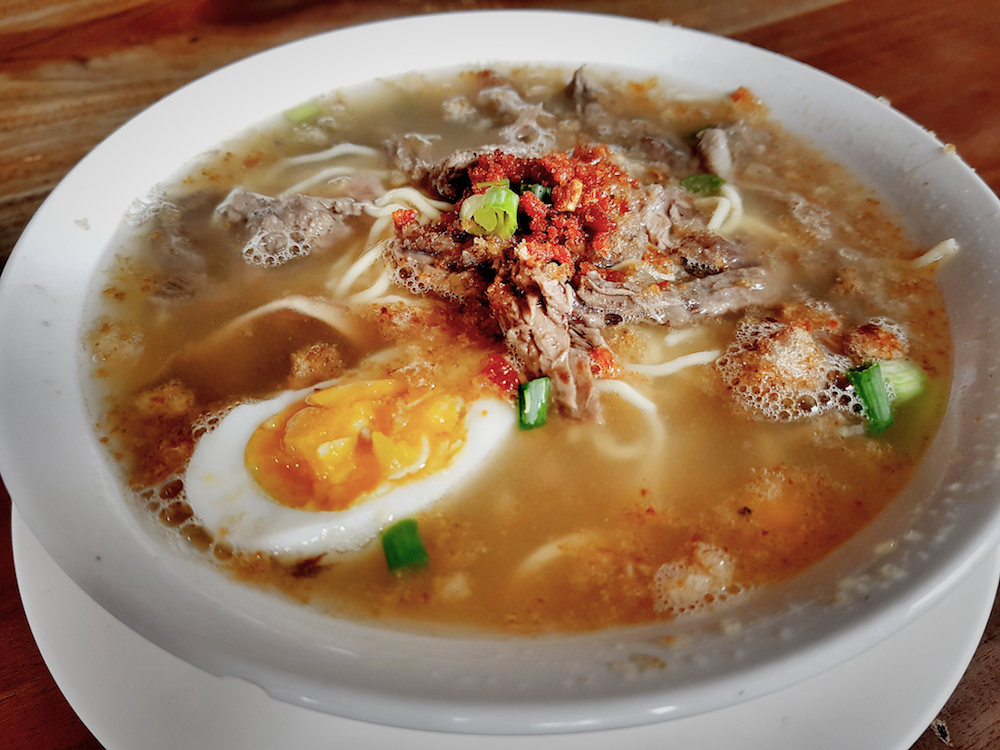 La Paz Batchoy. Photo courtesy of the Department of Tourism.
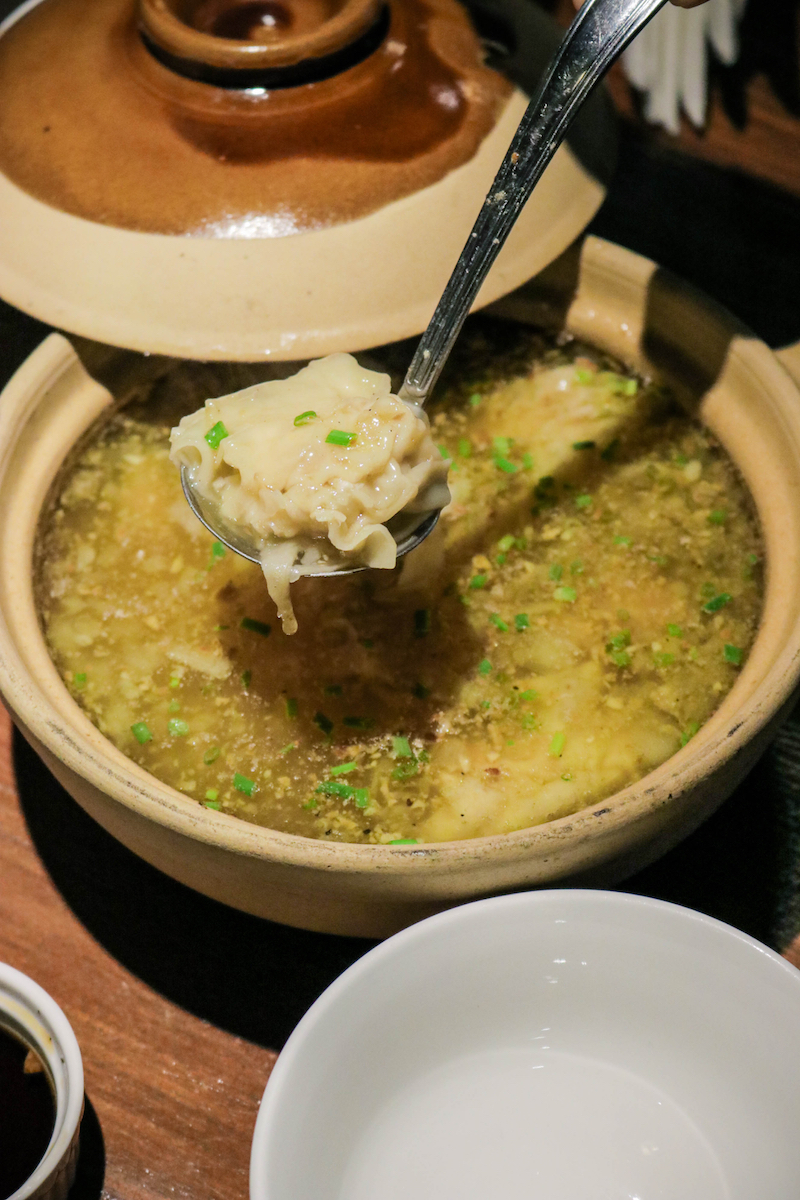 Molo Soup. Photo courtesy of the Department of Tourism.
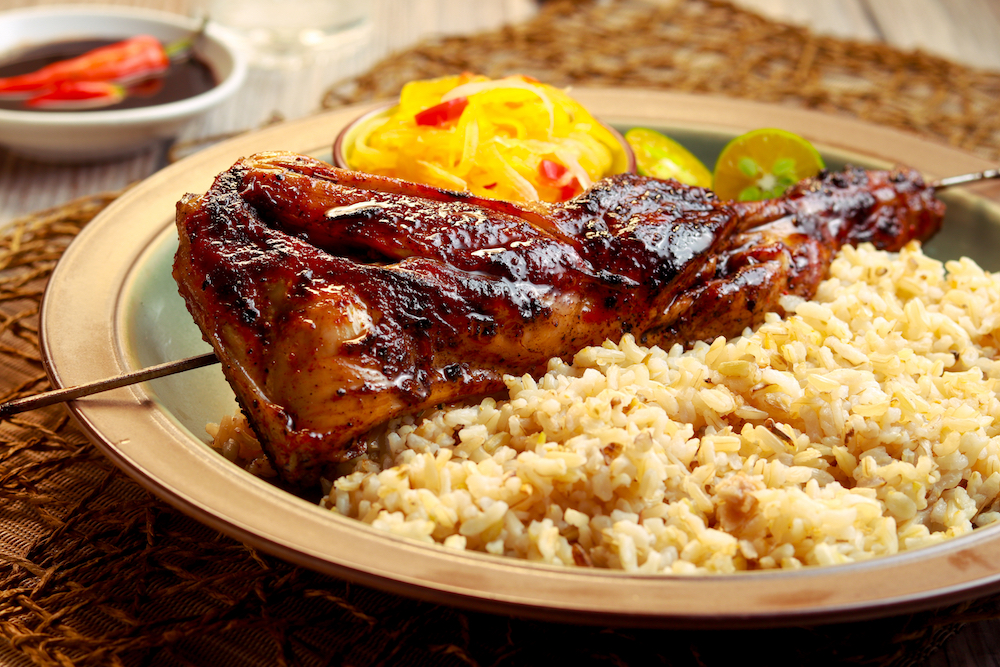 Inasal. Photo courtesy of the Department of Tourism.
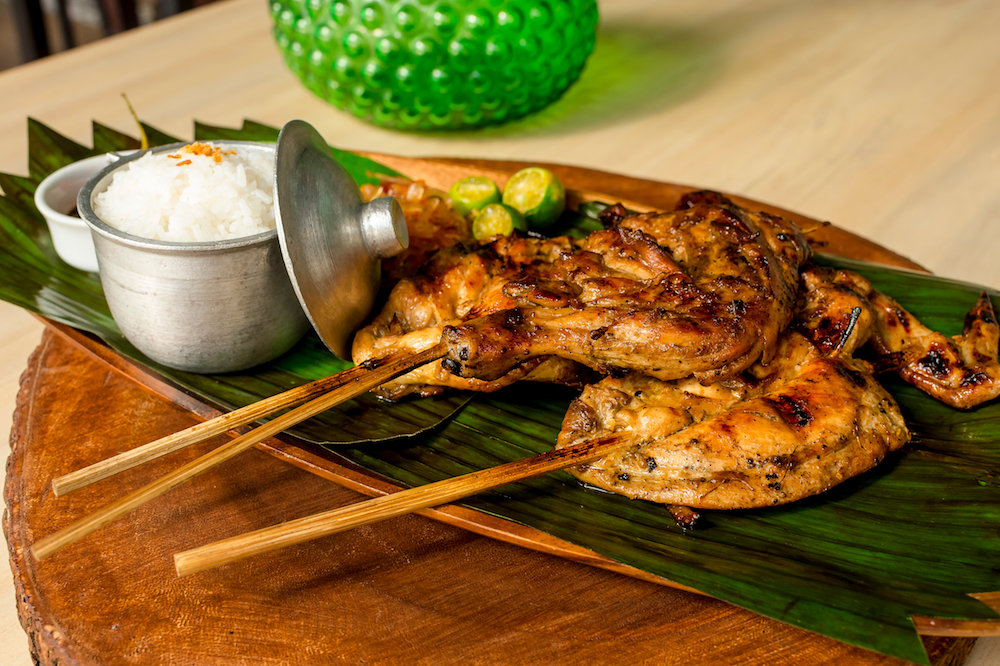 Inasal. Photo courtesy of the Department of Tourism.
 Piaya. Photo courtesy of the Department of Tourism.
Seafood abounds in Zamboanga, and their must-try dishes include ingredients such as a crustacean locally called Curacha, Imbao or mangrove clams, snails called Kulo, and Lato — a seaweed that resembles small green grapes, or commonly known as green caviar. Davao is known for its fruits, ranging from pineapples, bananas, sweet pomelos, and the infamous durian. For a memorable meal, try the specialties that make use of fresh seafood such as Kinilaw, the local version of ceviche, and Sinugba or freshly-grilled seafood.
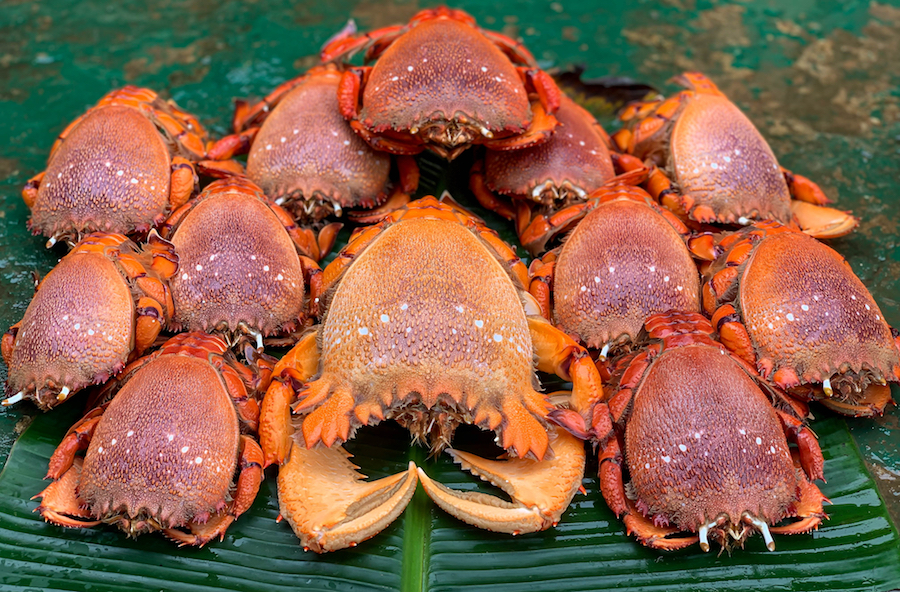 Curacha. Photo courtesy of the Department of Tourism.
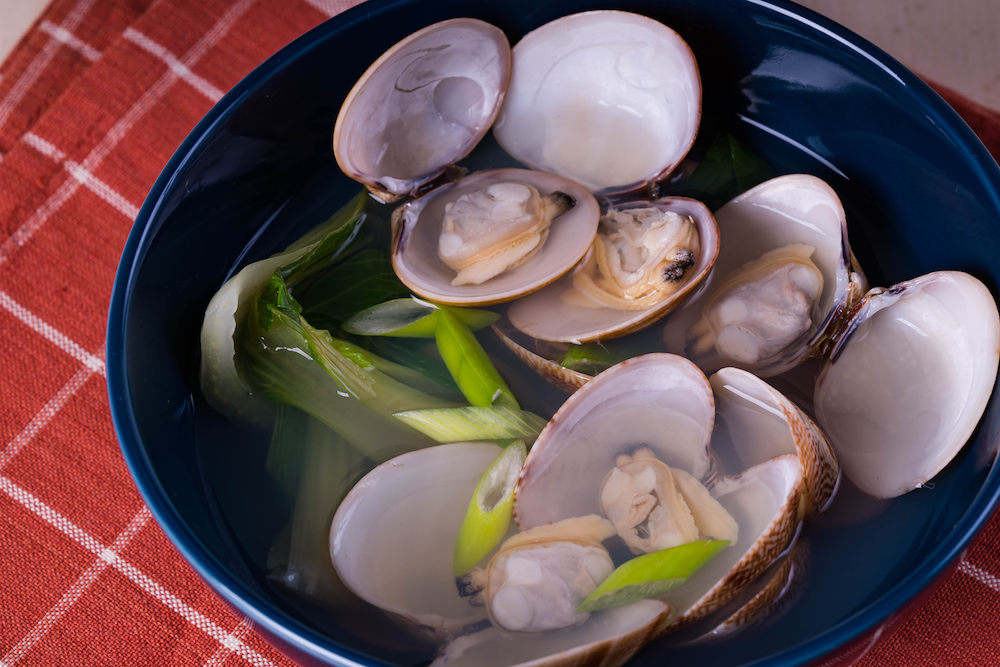 Clam soup. Photo courtesy of the Department of Tourism.
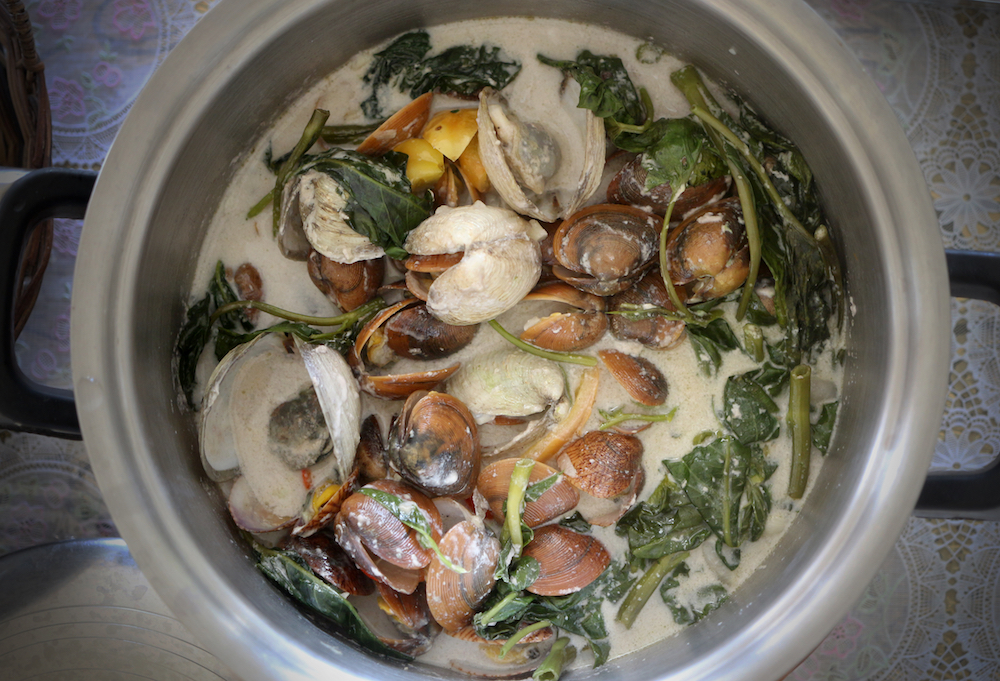 Clams in coconut milk. Photo courtesy of the Department of Tourism.
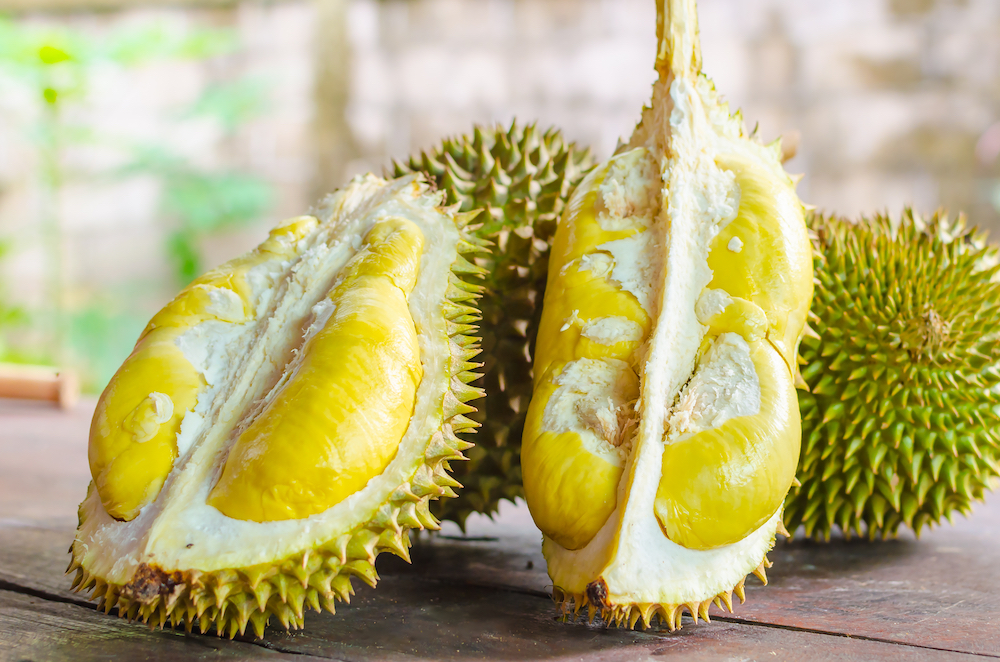 Durian. Photo courtesy of the Department of Tourism.
 Pomelo. Photo courtesy of the Department of Tourism.
The farming communities of Negros Occidental
To experience life on a Filipino farm, visit the 14 farm tourism sites that have been accredited by the Department of Tourism in Western Visayas. These farms highlight the potential of sustainable agriculture that can provide income streams for the communities who profit from both the produce and their eco-tours. Visitors can relax and appreciate the bounty of nature while learning the technology applied to the farming practices suited to the climate and soil conditions of the area.
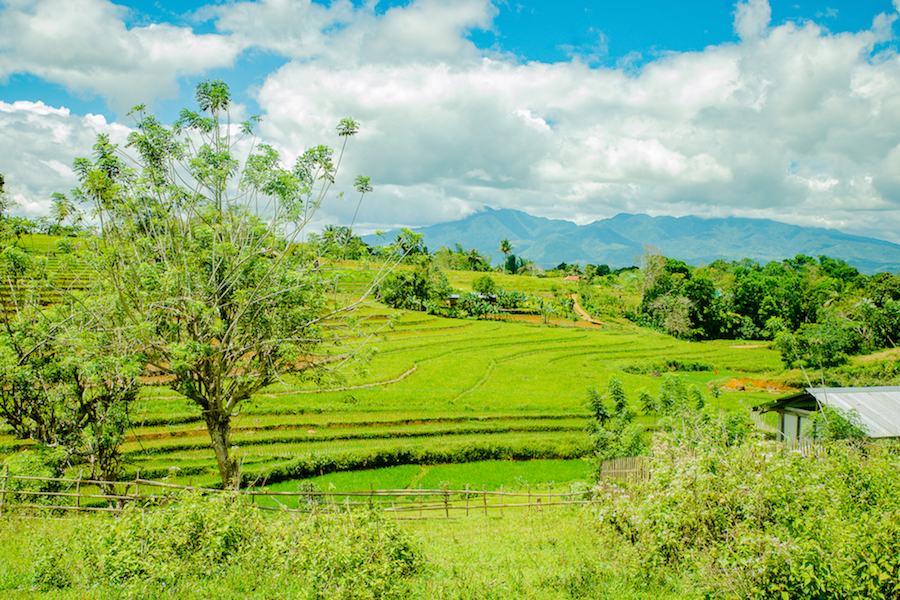 Photo from Western Visayas Region courtesy of the Department of Tourism.
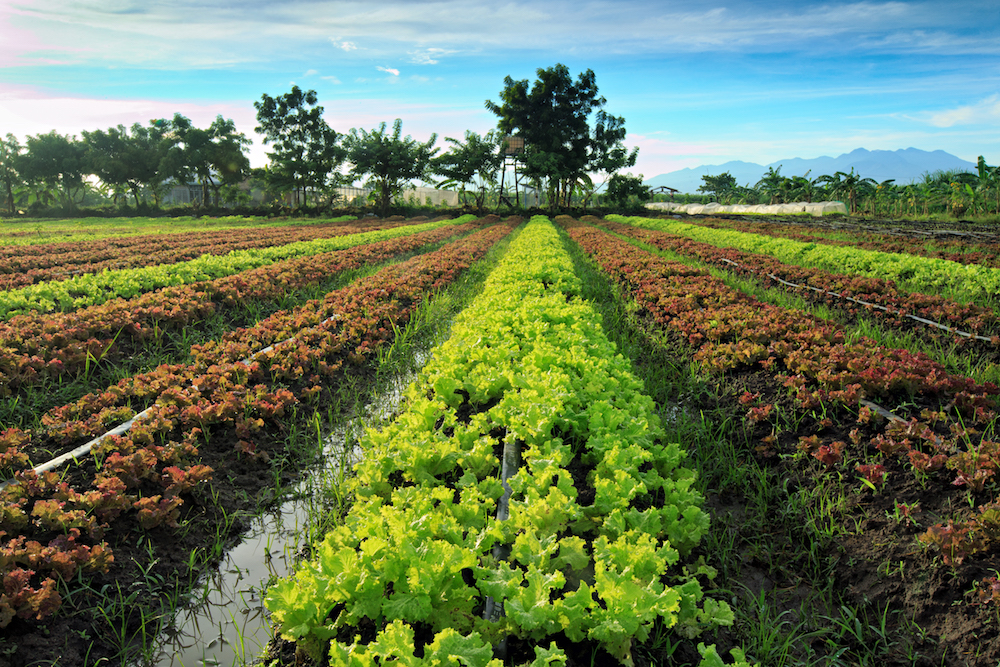 Photo from Western Visayas Region courtesy of the Department of Tourism.
Travel safely!
All these tourist destinations have health and safety protocols in place to protect locals and visitors alike. Everyone is expected to comply by wearing face masks, regularly washing their hands, and practicing physical distancing.
To check out up-to-date information regarding local destinations that are open and the safety protocols and requirements needed for each location, you may visit philippines.travel/safetrip or download the Travel Philippines app at app.philippines.travel , Apple Store, or Google Playstore.