Part of the charm of the traditional Filipino hospitality is making sure
that visitors have their fill of the best food that their home can offer. The first thing a Filipino
will ask their guest is, “have you eaten?” Wherever you go in the country, the dishes offered will vary,
as each region has something unique to offer, using their best and freshest ingredients.
The Department of Tourism (DOT) highlights the country’s food traditions
through different programs that encourage new dining discoveries such as the Halal Culinary Heritage
Series. Launched in July 2021, the initiative showcases unique food finds in Mindanao through a video
series posted on the Department’s social media platforms including Facebook, YouTube, and Instagram.
The Mindanao Halal Culinary Tourism is a project of the DOT with the Brunei
Darussalam–Indonesia–Malaysia–Philippines East ASEAN Growth Area (BIMP-EAGA). Aside from promoting the
heritage of Mindanao and familiarity with its culture, the project also aims to document the culinary
practices of the area through food mapping. With this initiative, there will be more knowledge and a
better understanding of Filipino Halal cuisines and cooking traditions. The Philippines is creating new
experiences and attractions in its different regions, so there is always more to explore.
Halal food trip
Halal food takes on many forms throughout the Philippines. In Manila, there
are restaurants and eateries that offer Halal-certified food, ranging from the stalls located in the
area known as Muslim Town near the Golden Mosque in Quiapo that offer culinary delights such as Bakas or
Bamboo-smoked tuna and a glutinous rice cake called Dodol. For Halal-certified Filipino fare in the
Makati district, the El Prado dining outlet of the Berjaya Hotel Makati offers dishes such as Tinolang
Manok (chicken in ginger broth with vegetables), a Halal Nilagang Baka (boiled beef with vegetables),
and Sinigang na Baka (Beef simmered in a clear sour soup with vegetables).
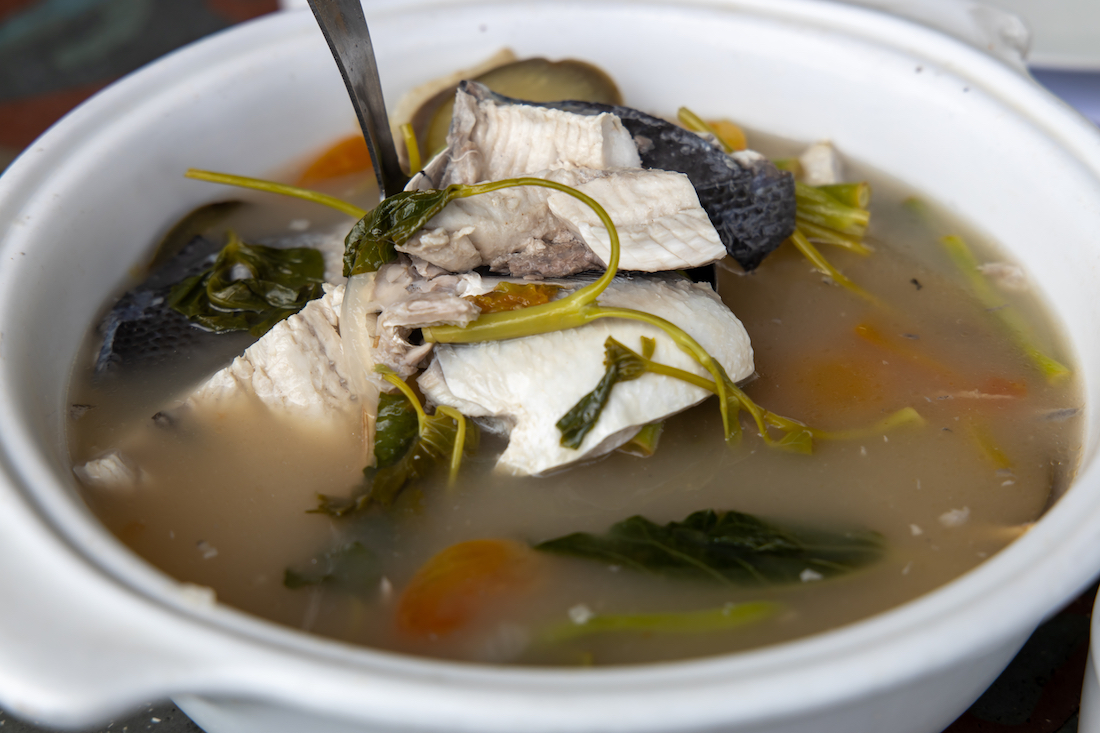
Sinigang na Bangus. Photo courtesy of the Department
of Tourism.
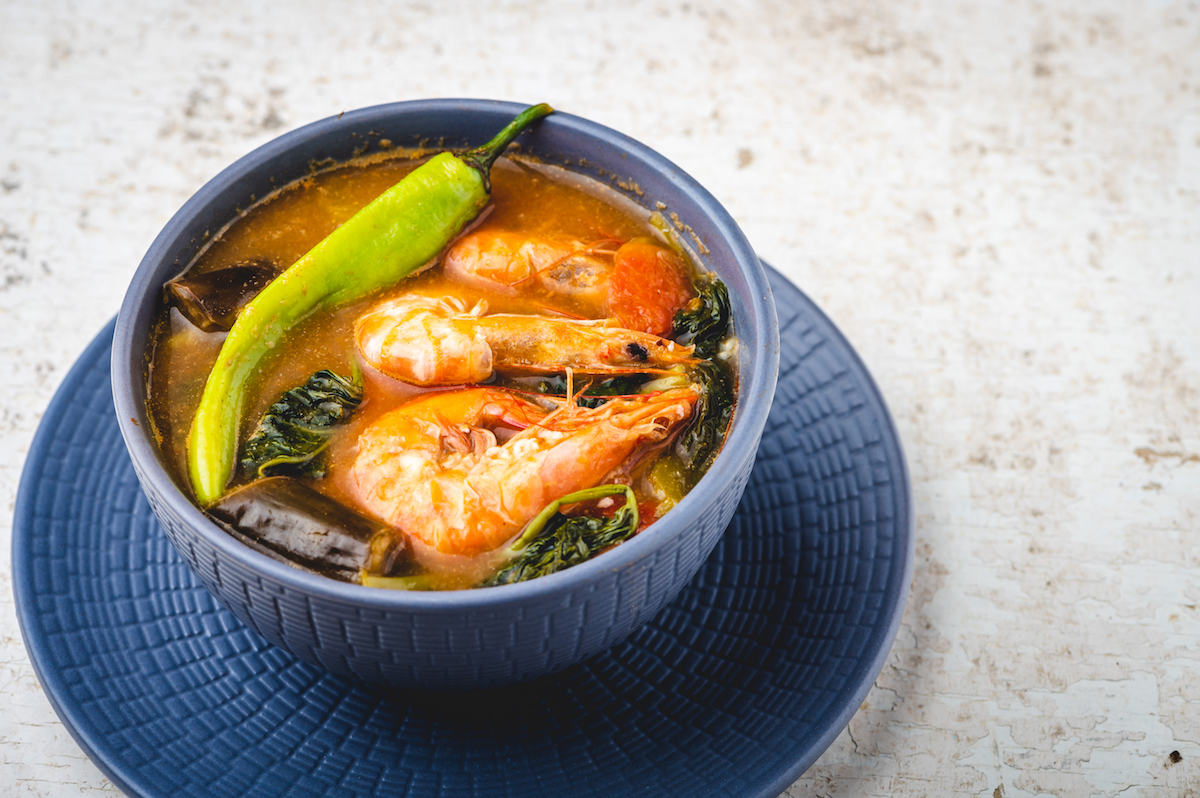
Sinigang na Hipon. Photo courtesy of the Department of
Tourism.
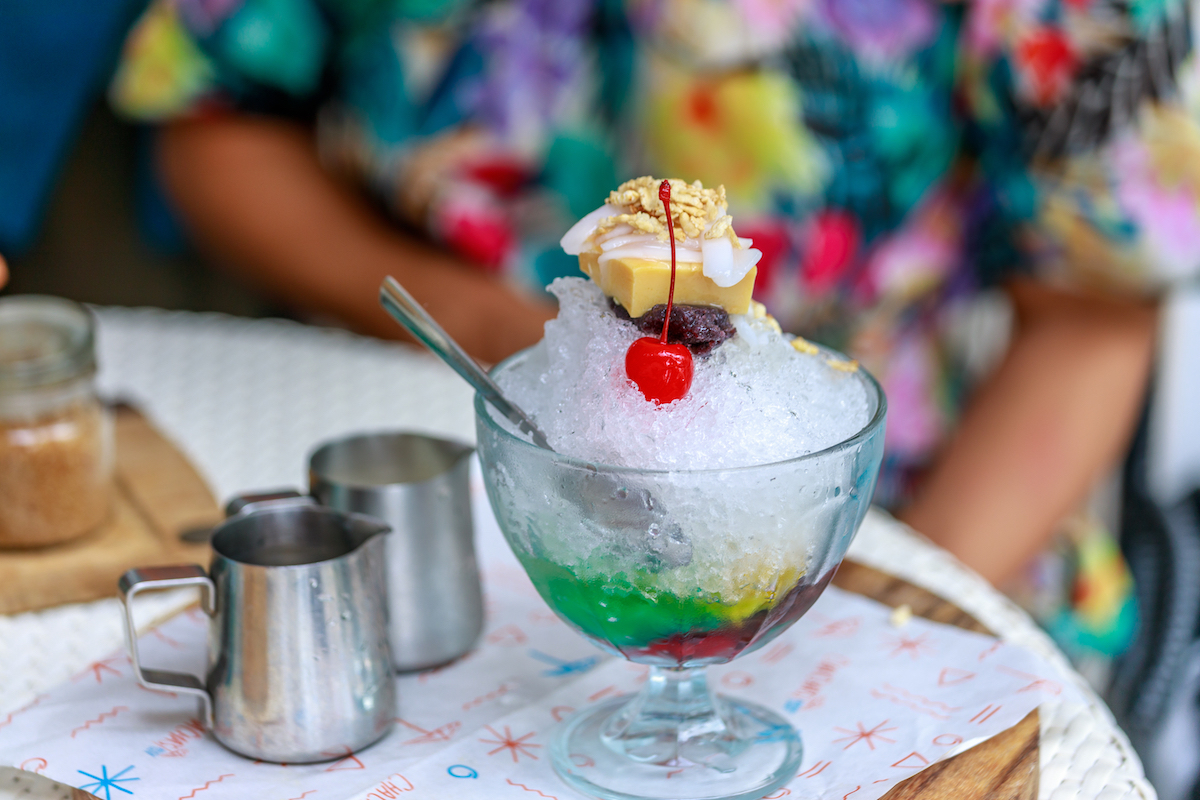
Halo-halo. Photo courtesy of the Department of
Tourism.
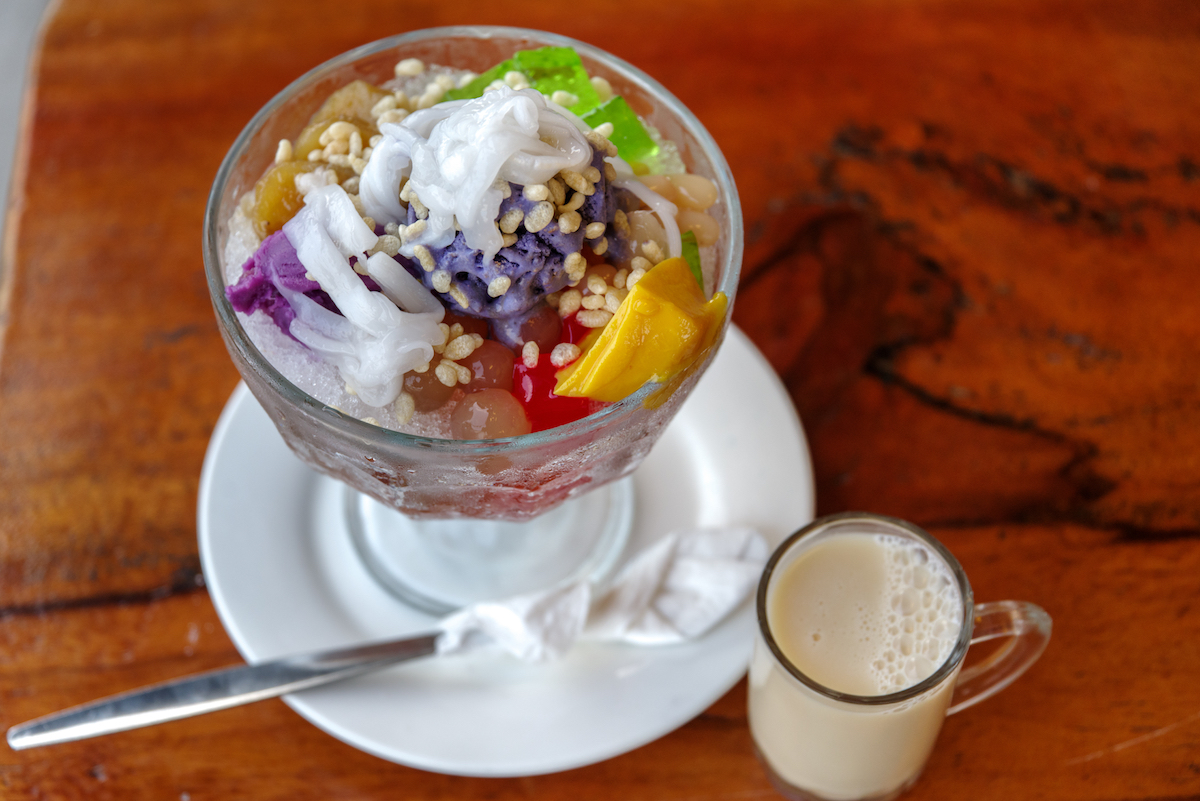
Halo-halo. Photo courtesy of the Department of
Tourism.
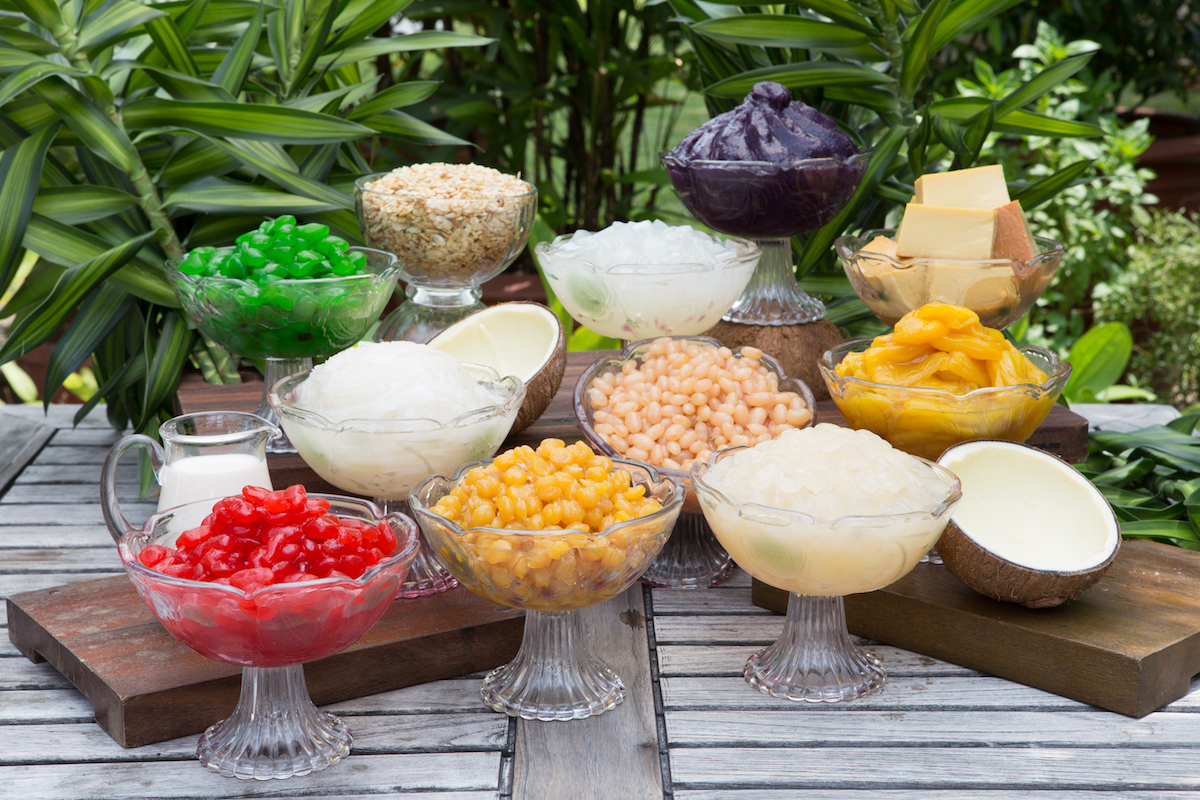
Halo-halo. Photo by Justin Ventura courtesy of the
Department of Tourism.
In the CARAGA region, visitors can have fruits and vegetables served with
Guinamos or salt fermented fish as their starter. In Cagayan de Oro, one can have a dry curry Beef
Rendang or its fusion version as a Beef Rendang Penne at a restaurant called Torogan Kape. Diners can
also try Piaparan a Manok or chicken stewed in coconut milk,
turmeric, and a special paste called ‘Palapa’ which is made with scallions, ginger, and turmeric along
with local pastry snacks called Tyatag, Lokatis, Apang a Margas, Browa, Dodol, Tapay asa Torogan (Fermented Cassava dessert) .
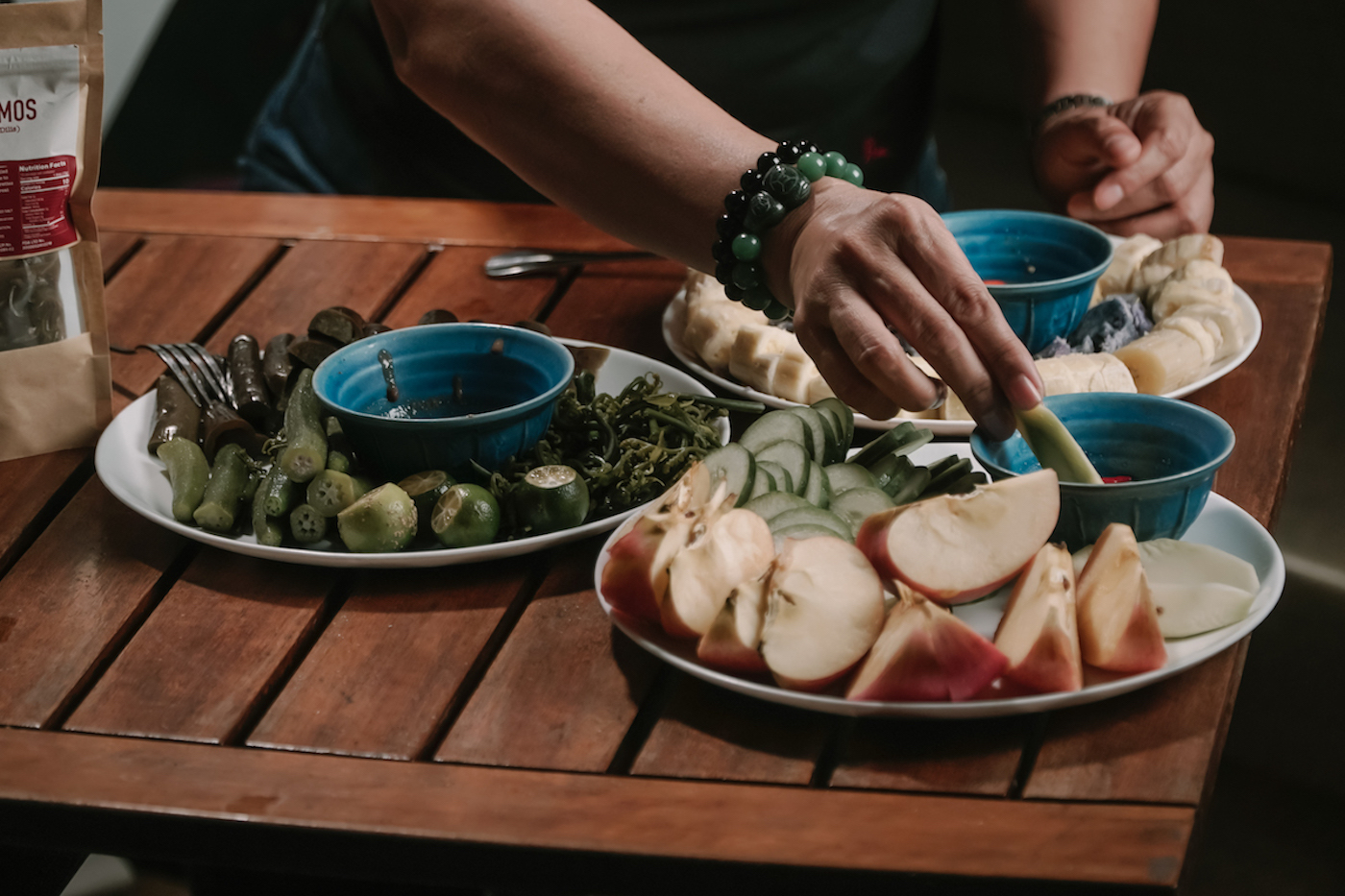
Plate with assorted vegetables (Ensalada with
Guinamos) from Halal Culinary – CARAGA and Fruits with Guinamos. Photo courtesy of the Department of
Tourism.
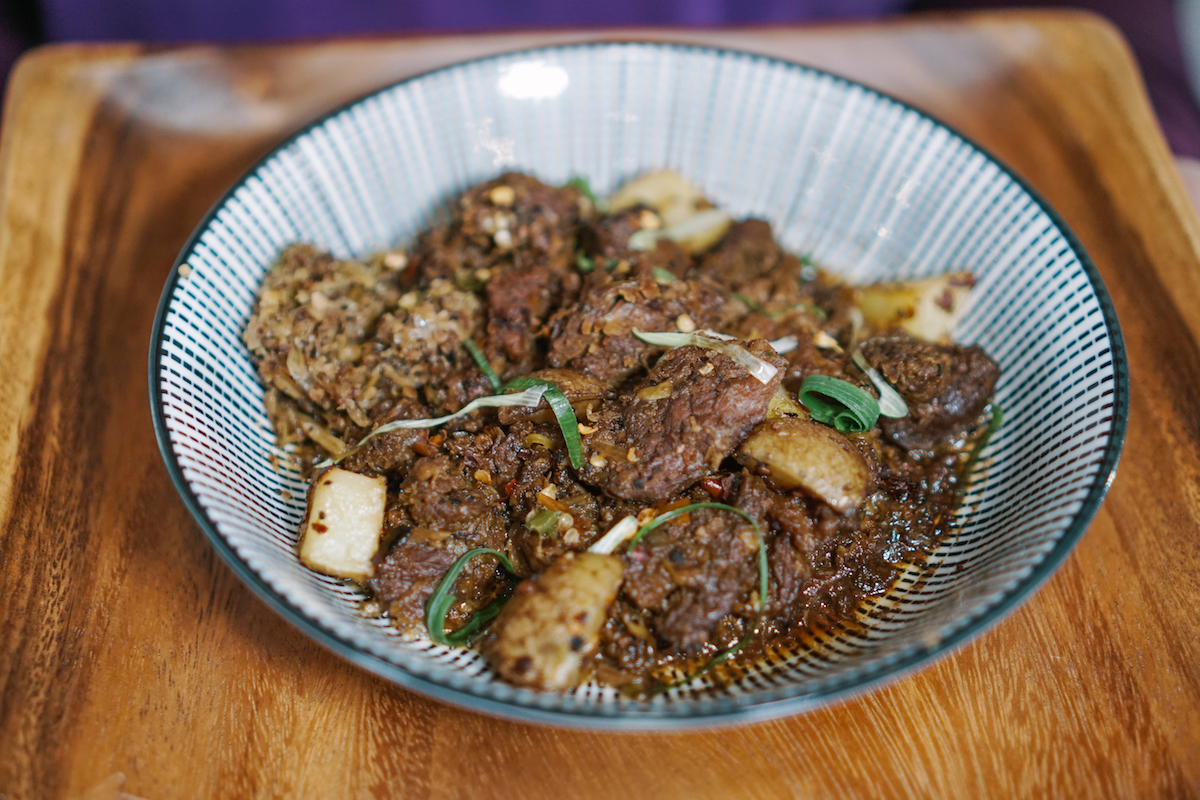
Beef Rendang from Halal Culinary – CDO. Photo courtesy
of the Department of Tourism.
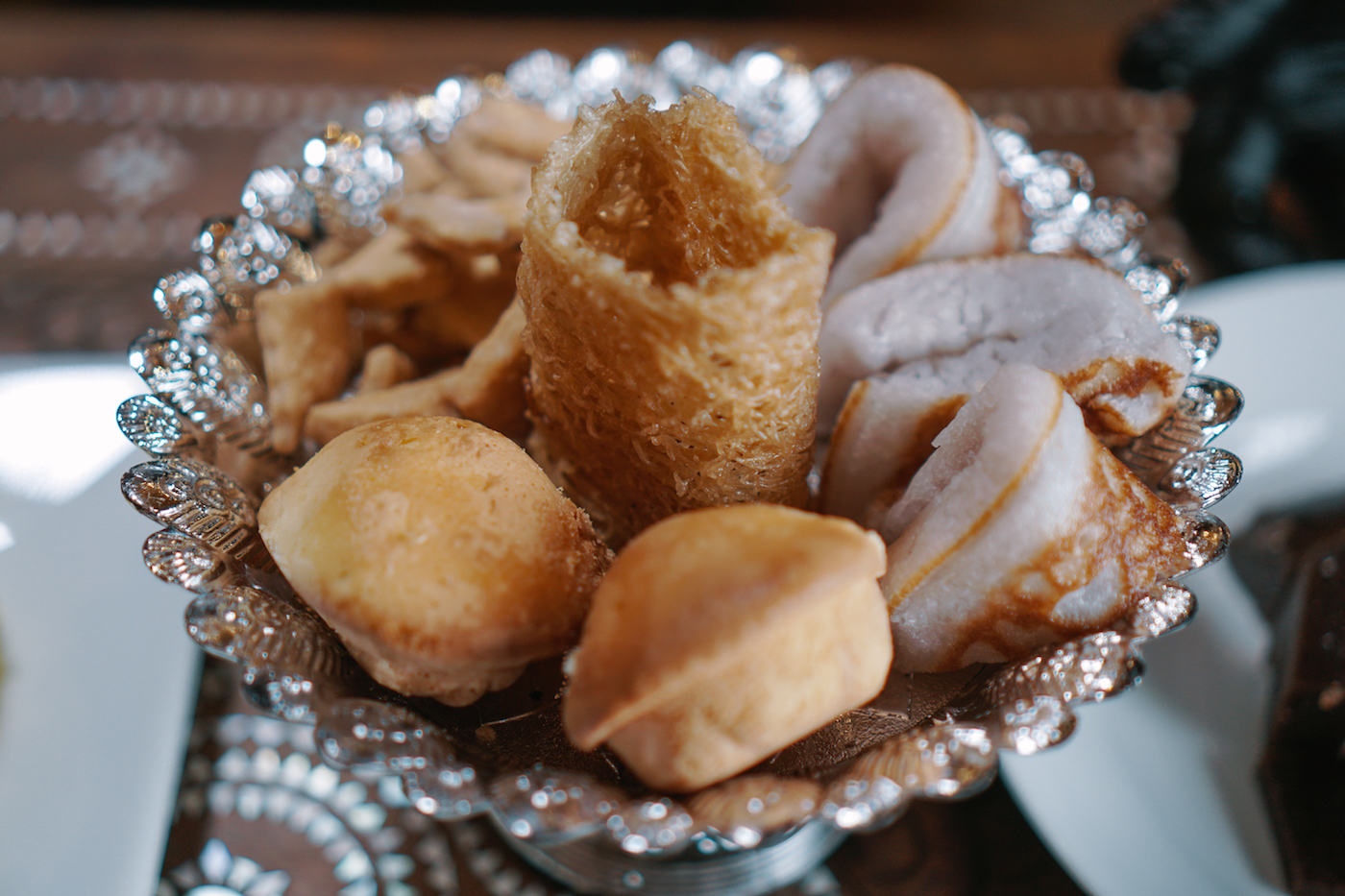
Maranao Delicacies – Pagana Mamis from Halal Culinary
– CDO (Lokatis, Tyatag/Tiagtag, Apang a Margas, Browa). Photo courtesy of the Department of Tourism.
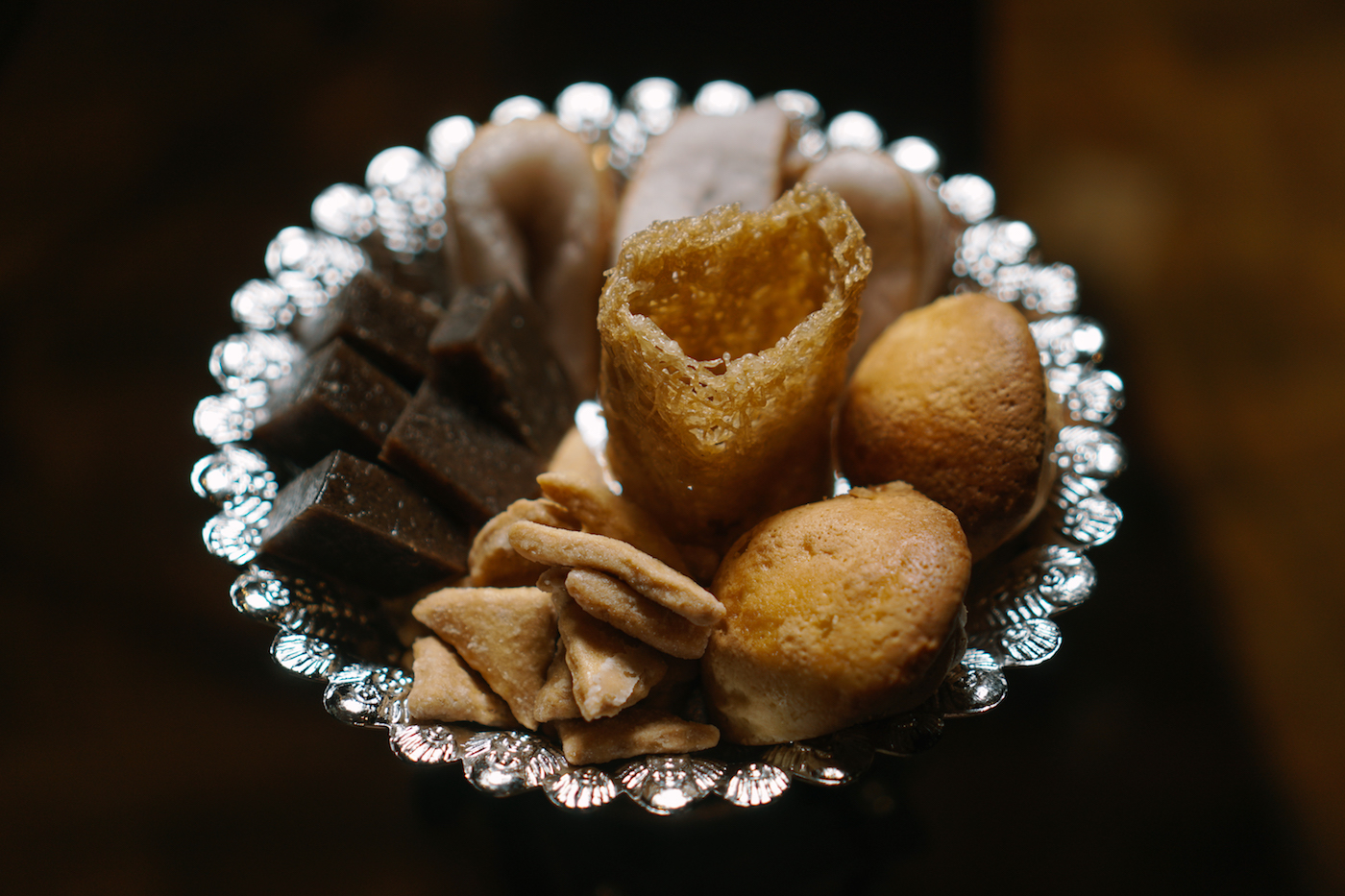
Maranao Delicacies – Pagana Mamis from Halal Culinary
– CDO (Apang a Margas, Tyatag/Tiagtag, Browa, Lokatis, Dodol). Photo courtesy of the Department of
Tourism.
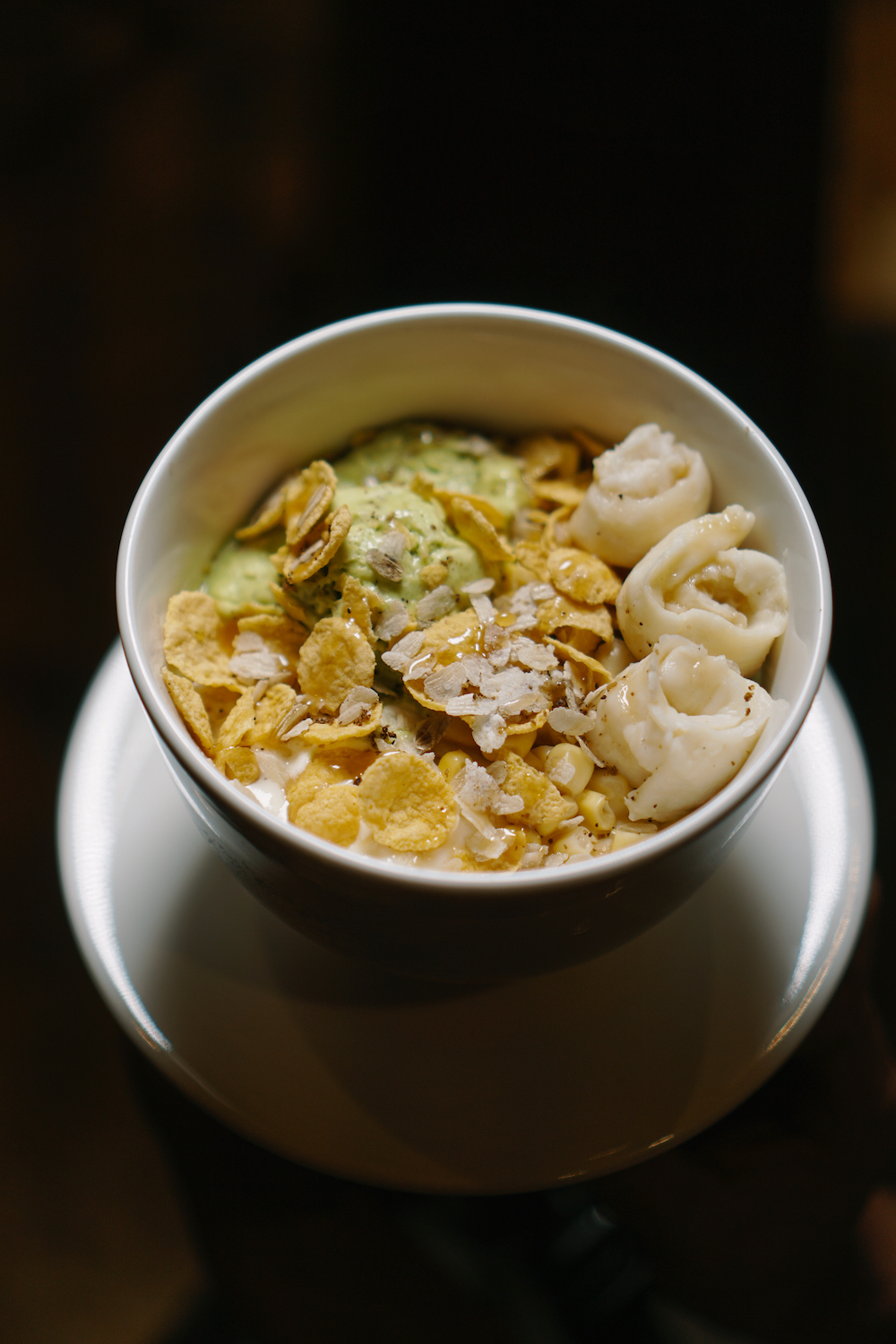
Tapay asa Torogan (Fermented Cassava dessert) from
Halal Culinary – CDO. Photo courtesy of the Department of Tourism.
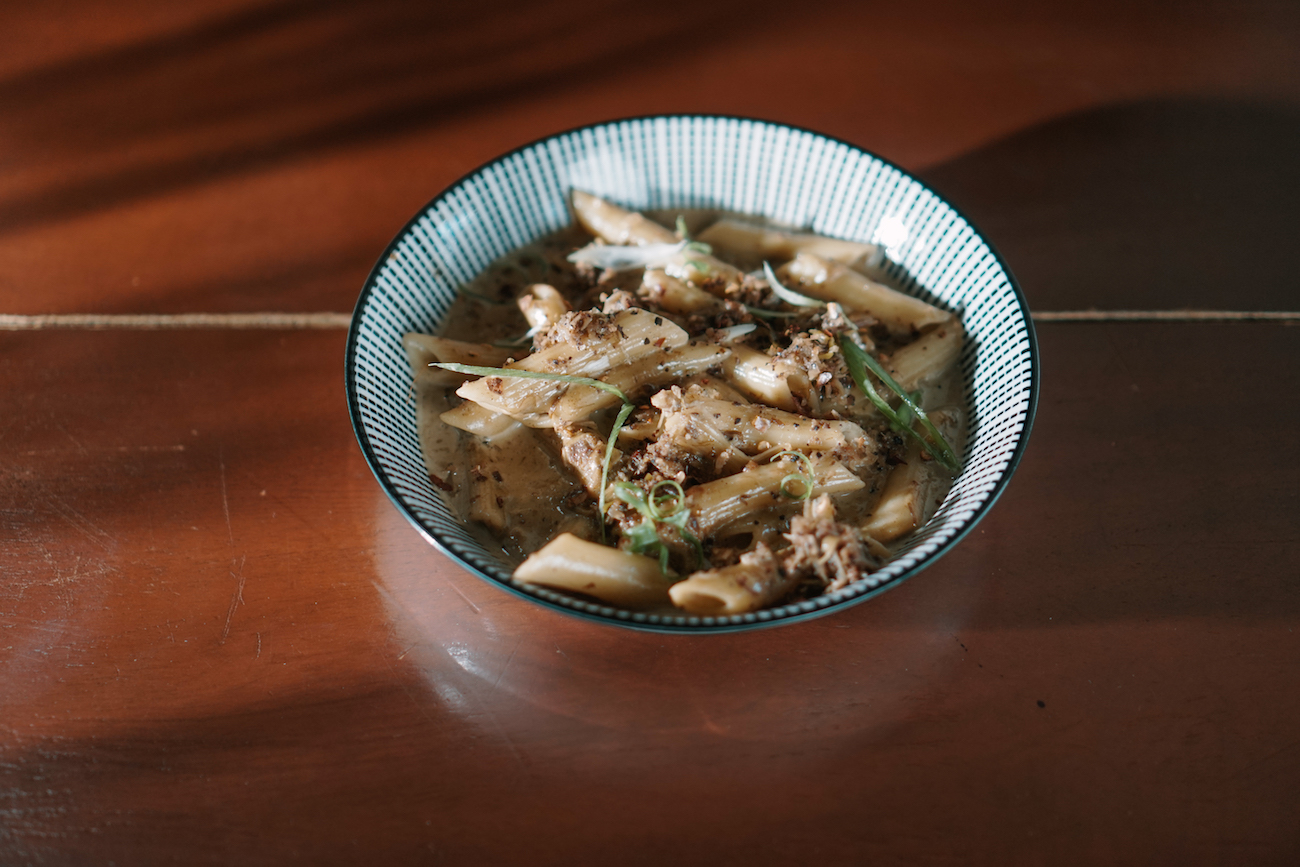
Beef Rendang Penne from Halal Culinary – CDO. Photo
courtesy of the Department of Tourism.
When in Cotabato, travelers can try the Sinina Kambing or goat meat stewed
in spices and served with Crab Rice from Hashy’s Cuisine, which is one of the pioneering Halal
restaurants in the region. From the Maguindanaoan kitchens comes Linigid na Manok, a curry-like dish of
chicken stewed in ginger, fresh coconut milk, and turmeric. Palapa is added to the dish to give it depth
of flavor. Visitors can try this Halal dish at a restaurant called Mama Ping, a fixture in Cotabato’s
dining scene.
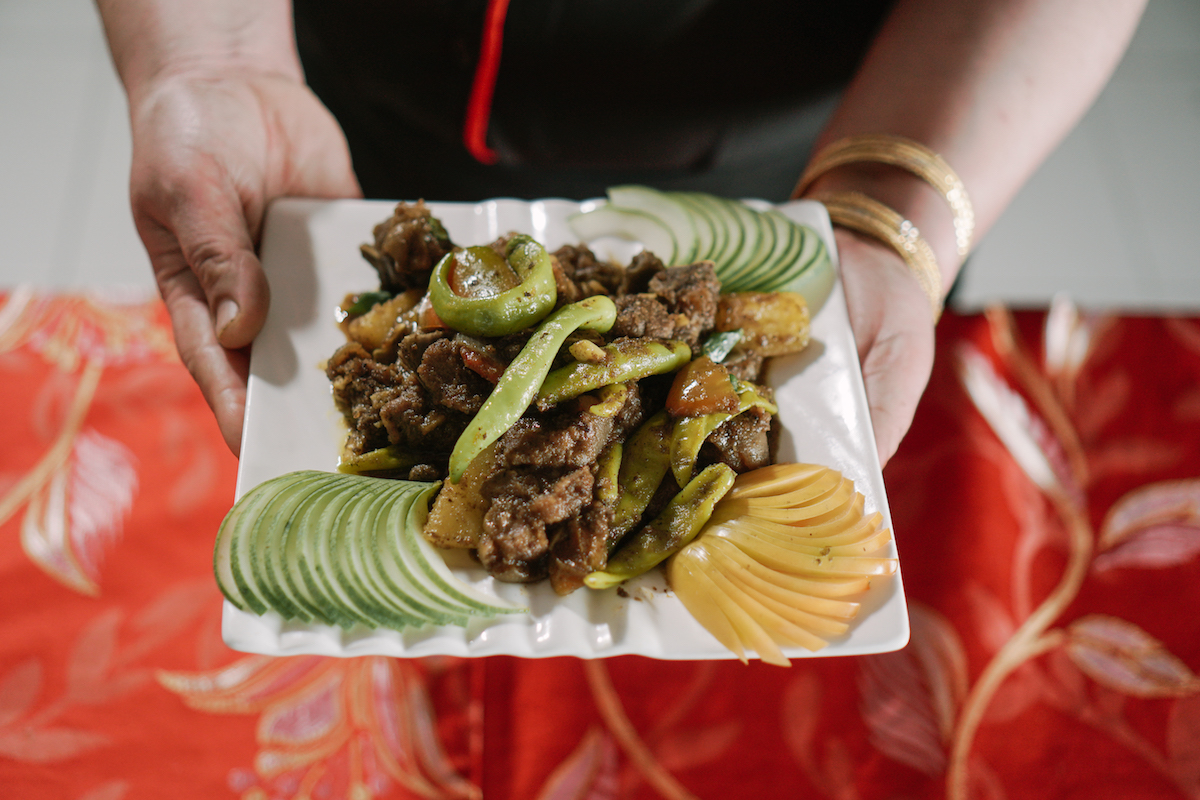
Hashy’s Cuisine Sinina Kambing from Halal Culinary –
Cotabato. Photo courtesy of the Department of Tourism.
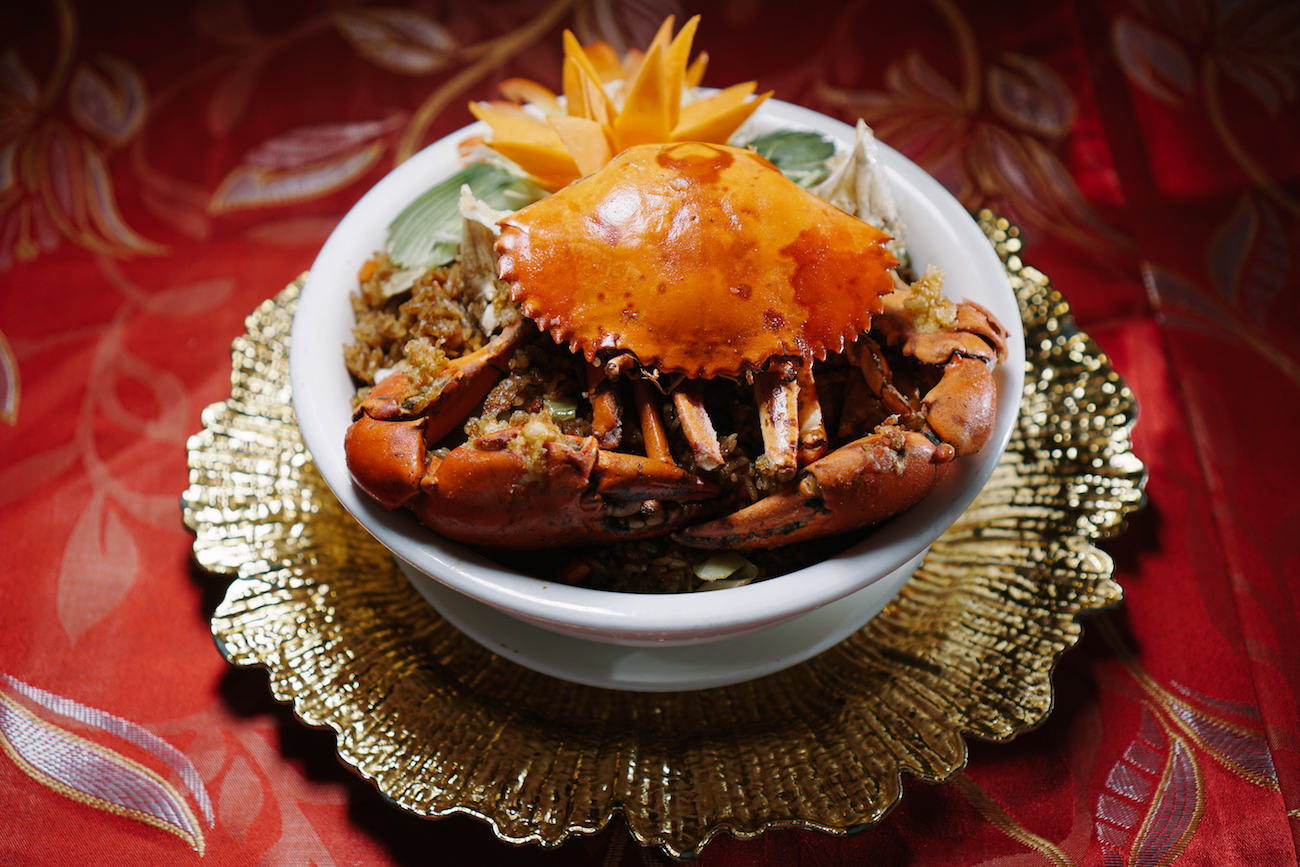
Hashy’s Cuisine Crab Rice from Halal Culinary –
Cotabato. Photo courtesy of the Department of Tourism.
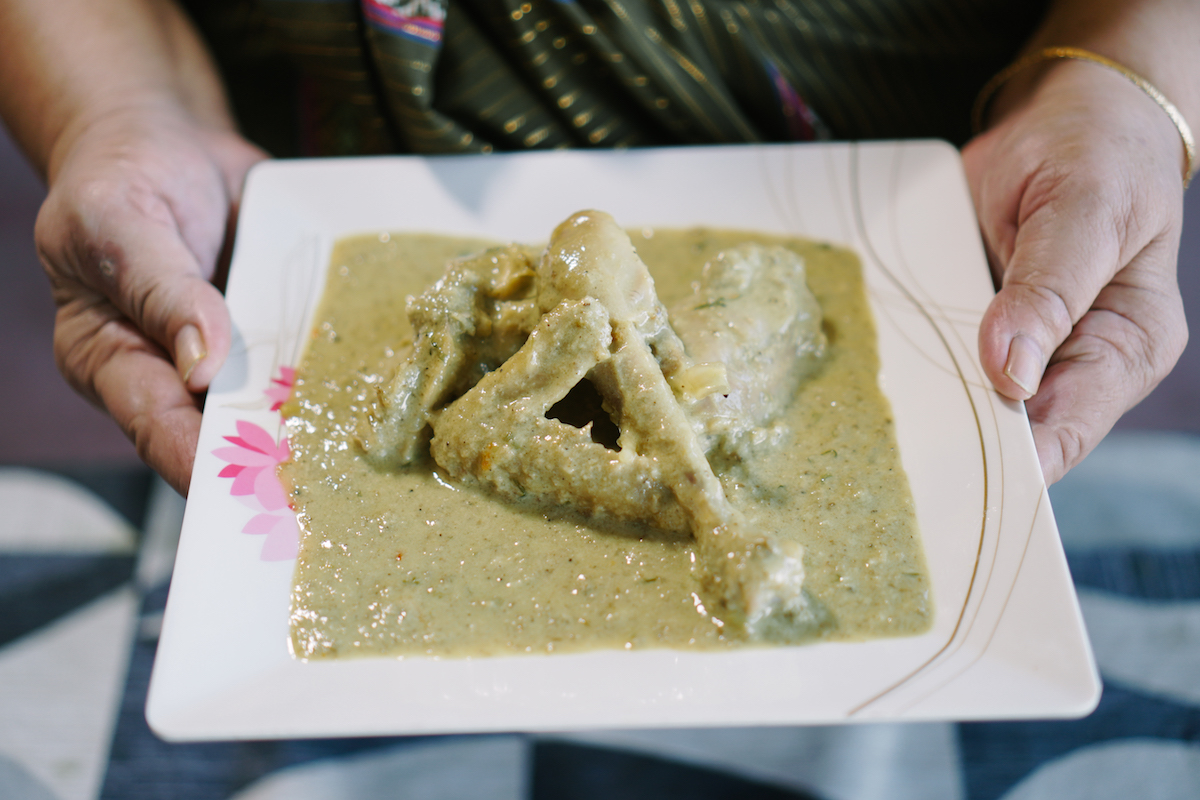
Linigid na Manok from Mama Ping from Halal Culinary –
Cotabato. Photo courtesy of the Department of Tourism.
In General Santos City, where tuna is abundant, their Halal fish dish is
Buntot ng Tuna in Curry sauce and Palapa by Tambilawan Kamayan Restaurant. The Al Kuwait eatery in
Iligan offers Pater or Pastil, a dish made with shredded chicken, beef, or fish that is wrapped with
steamed rice in a banana leaf for convenient eating.
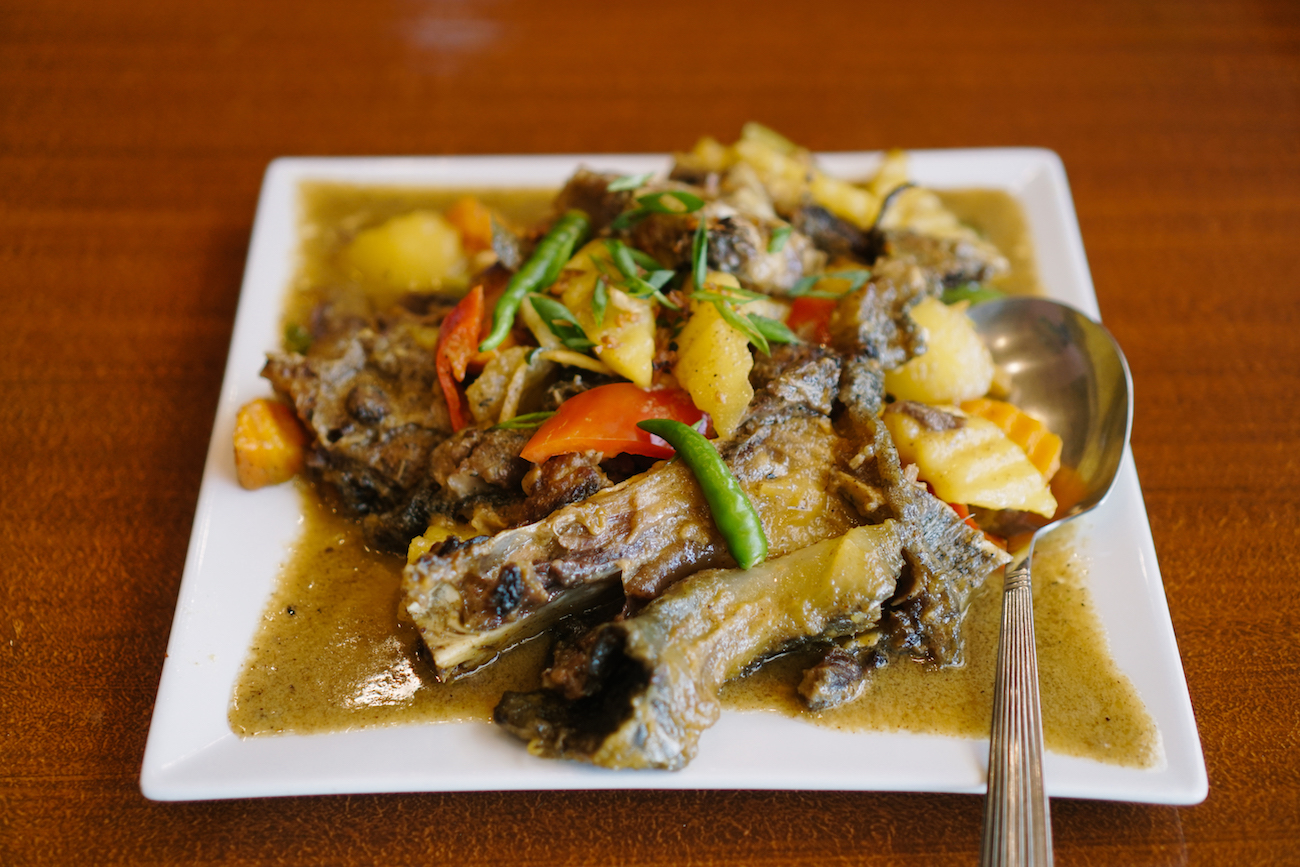
Buntot ng Tuna in Curry sauce with Palapa by
Tambilawan Kamayan Restaurant from Halal Culinary – Gen San. Photo courtesy of the Department of
Tourism.
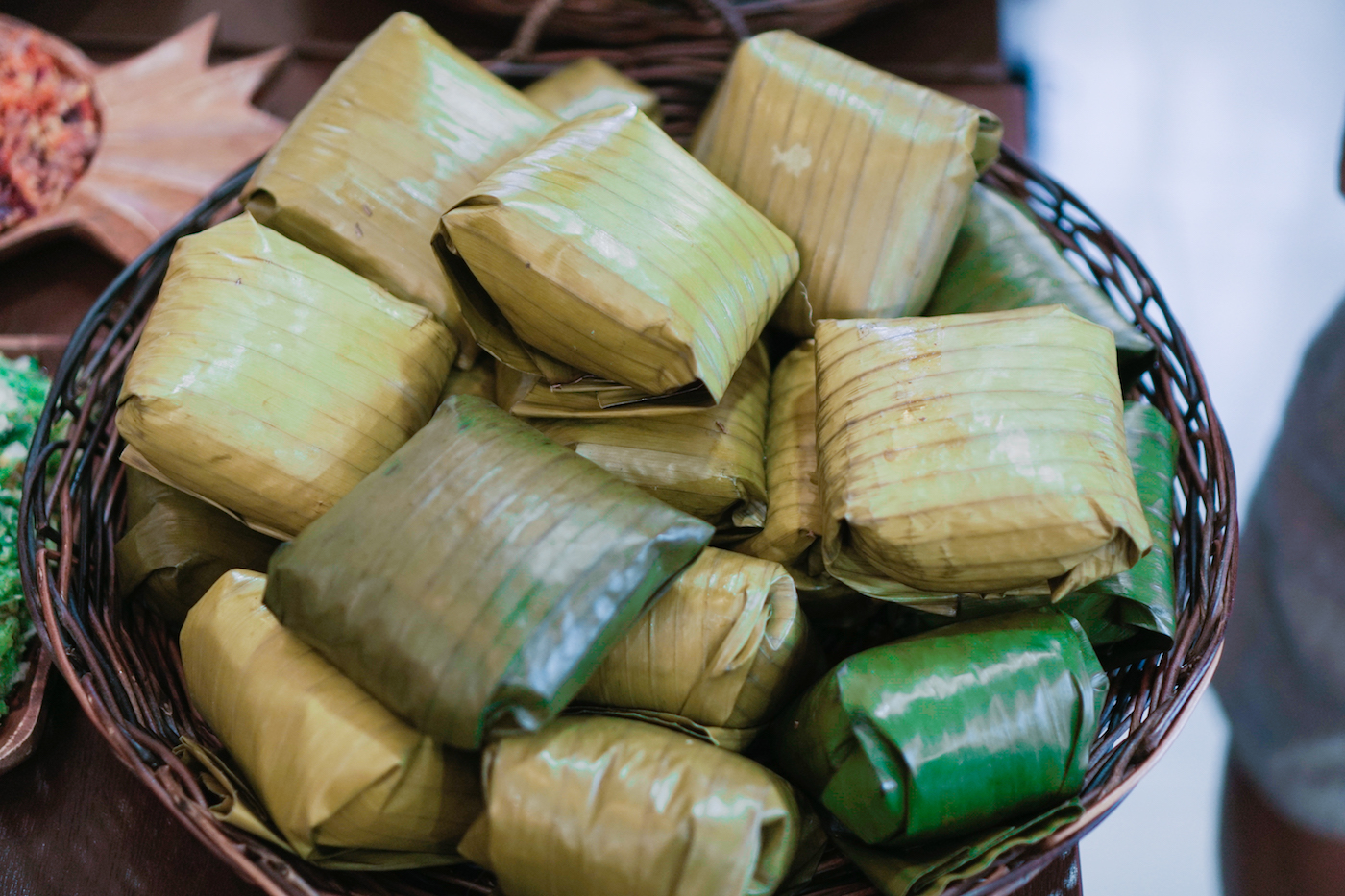
Pater from Pater – Al Kuwait in Iligan from Halal
Culinary – Iligan. Photo courtesy of the Department of Tourism.
In the Zamboanga Peninsula, composed of Zamboanga del Norte, Zamboanga del
Sur, and Zamboanga Sibugay, there are culinary delights that await. Warm-up with a bowl of Tiyula, which
is the Tausug word for soup. Its most popular iteration is the Tiyula Itum, distinctive because of its
dark-colored broth that comes from the addition of charred coconut. It is usually made with beef but
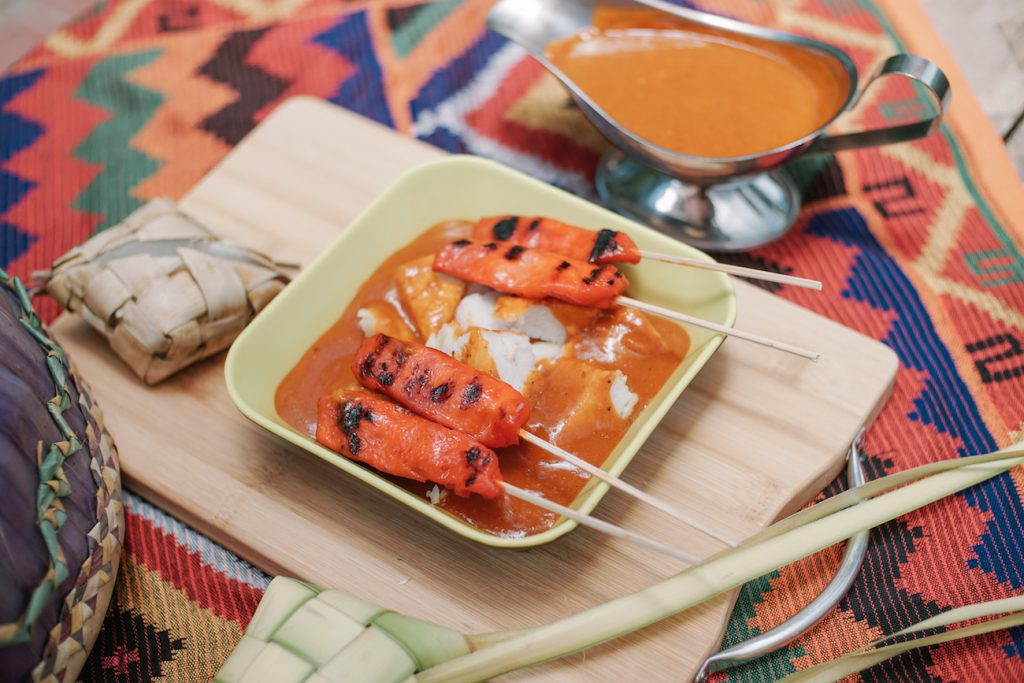
sometimes goat meat is used. It is one of the anticipated dishes at Tausug gatherings. There is Satti as
well which is a breakfast staple in Zamboanga and can be bought from Satti houses like Jimmy’s, Morning
Sun, Andy’s, Dennis, and Baytal Mal serving these skewers of beef, chicken, or liver cubes with their
own version of the spice-laden sauce as part of their morning offerings.
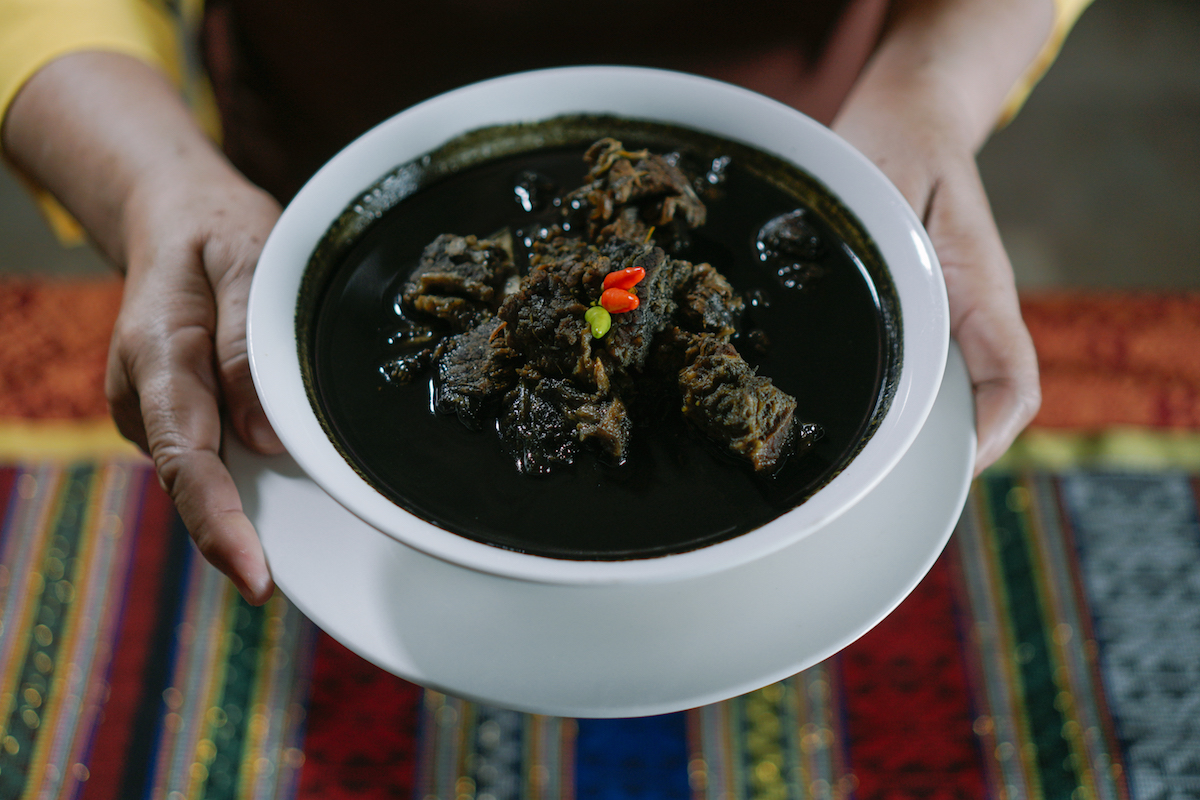
Tiyula Itum from Halal Culinary – Zamboanga. Photo
courtesy of the Department of Tourism.
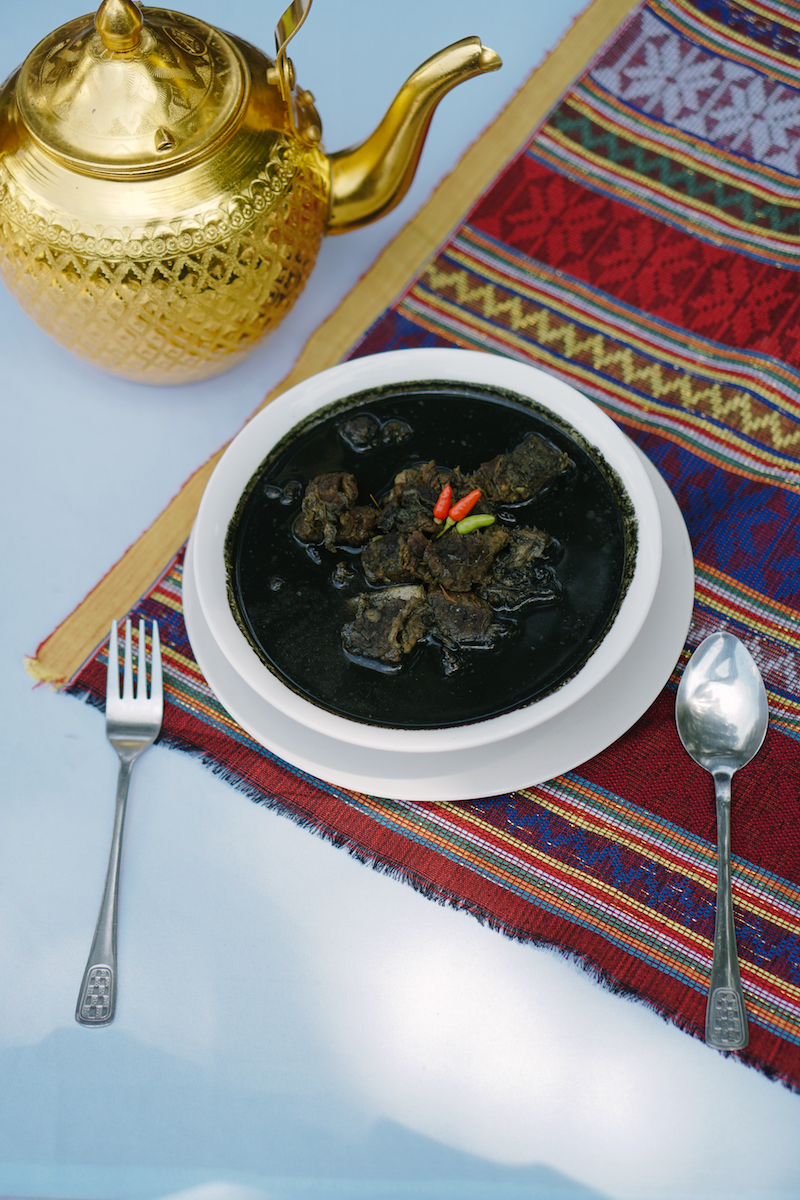
Tiyula Itum from Halal Culinary – Zamboanga. Photo
courtesy of the Department of Tourism.
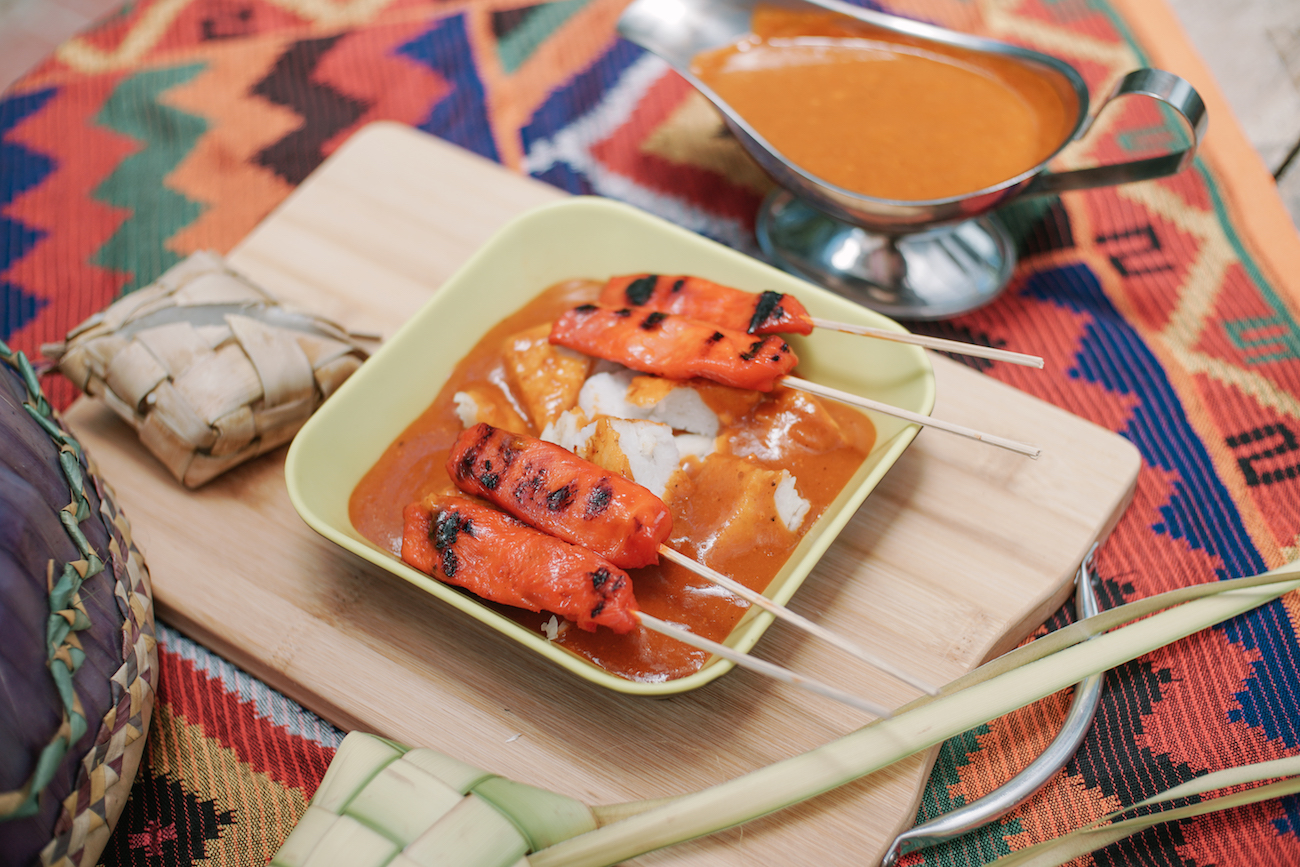
Satti from Halal Culinary – Zamboanga. Photo courtesy
of the Department of Tourism.
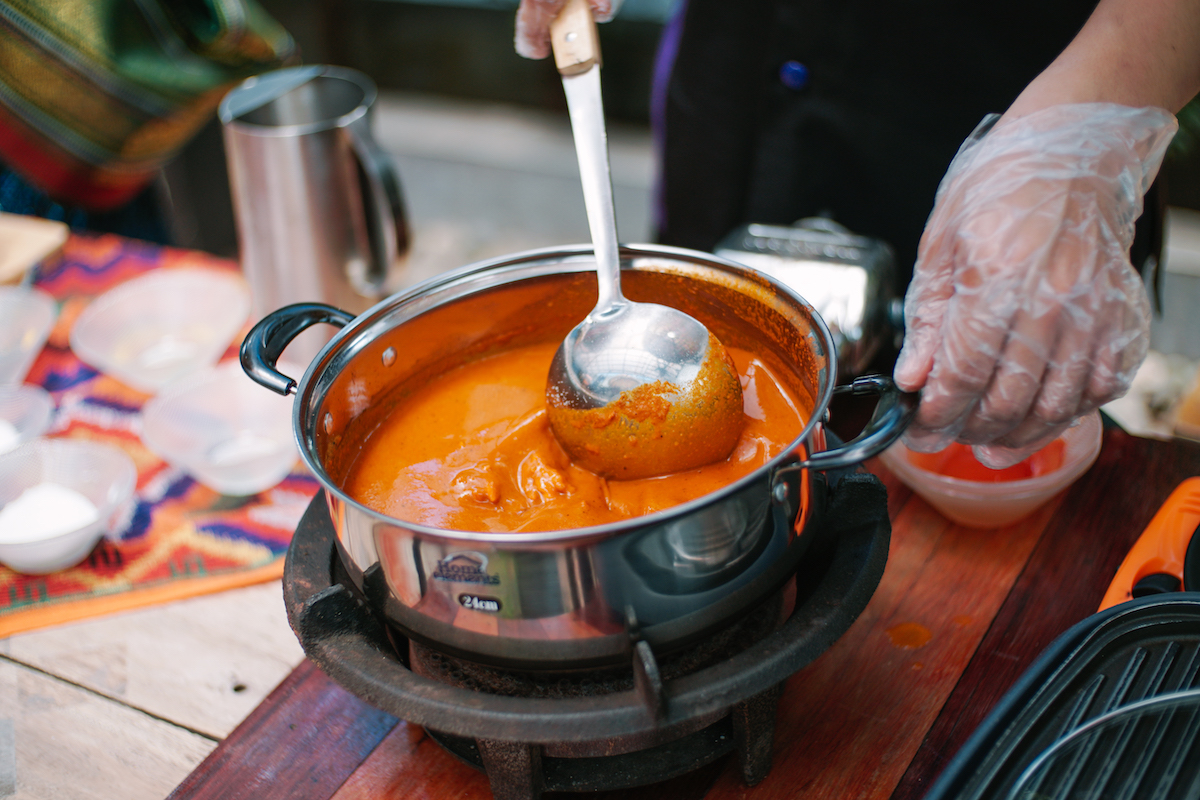
Satti from Halal Culinary – Zamboanga. Photo courtesy
of the Department of Tourism.
In the Davao Region, the food culture of the indigenous Kaagans can be
tasted through their Amik, a confection that is made by frying a thin sweetened ground rice batter that
is swirled dexterously in hot oil by practiced hands. Chili is a favorite ingredient and condiment in
Mindanao cuisine and there are many varieties of chili sauce that are available, with innovations such
as the Mango Pineapple Hot Sauce from the SpiChef in Davao that serves up sweet-spicy-tangy goodness.
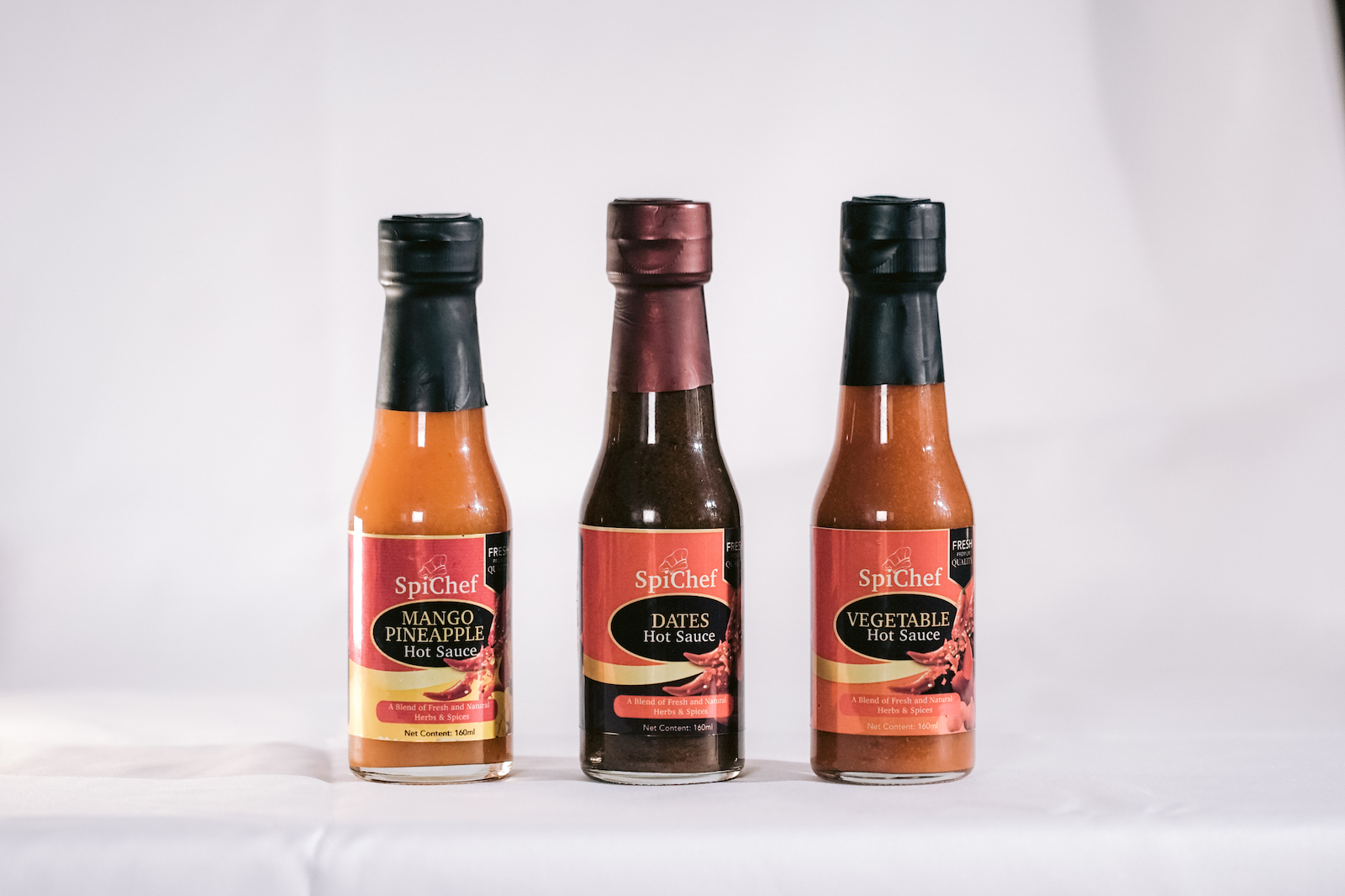
Chili sauce from SpiChef from Halal Culinary – Davao.
Photo courtesy of the Department of Tourism.
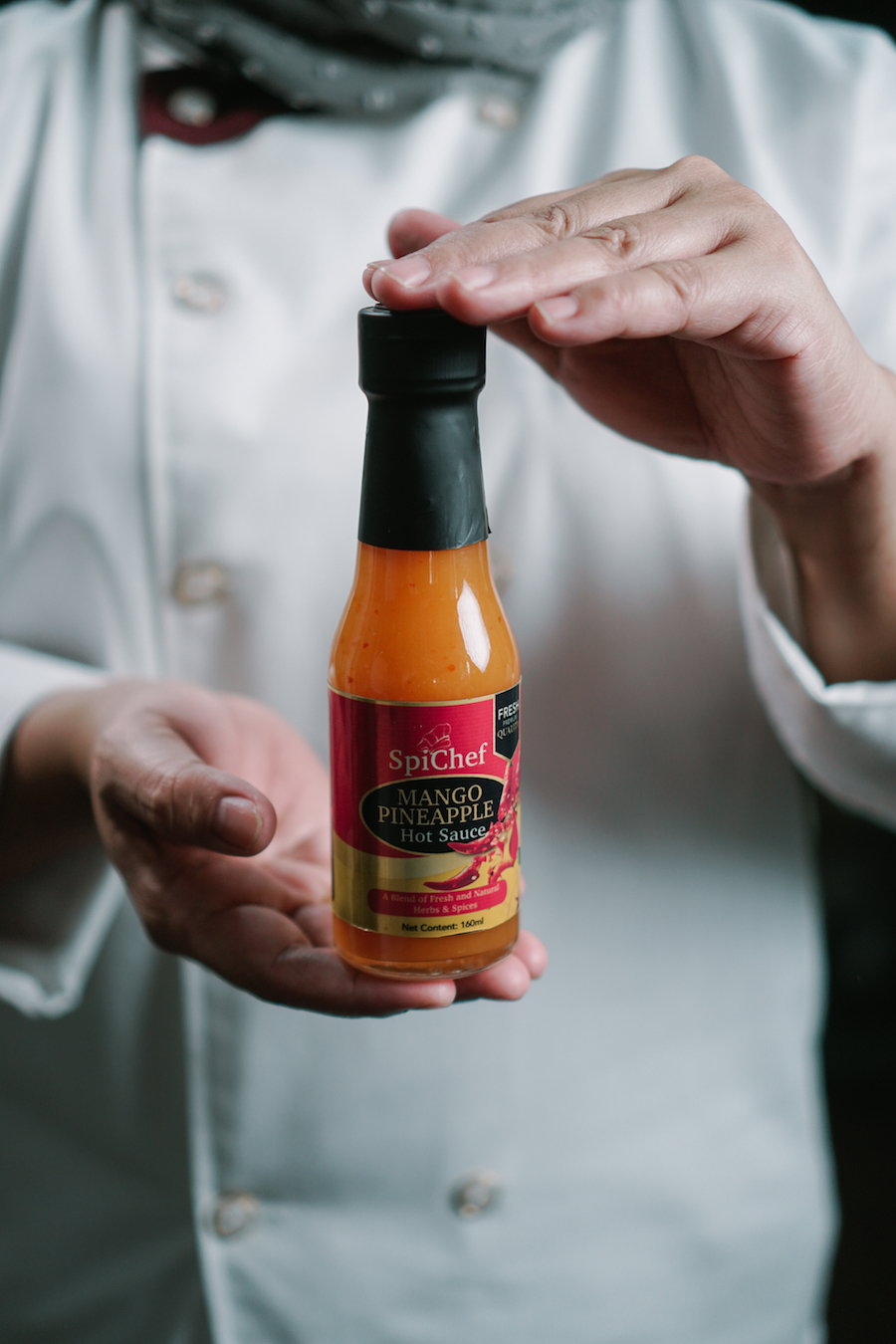
Chili sauce from SpiChef from Halal Culinary – Davao.
Photo courtesy of the Department of Tourism.
Eat like a local
It is not an understatement that Filipinos love to eat. Get a Filipino
picnic feel by packing a coffee break in a handcrafted rattan box that is filled with Filipino mementos.
Set the mood with an Inabel table rug, handwoven from the communities of
the Cordillera Mountains using weaving traditions that have been passed down through generations. The
Philippines is also home to artisan woodcarvers who craft wood pieces into home decorations and
utilitarian items such as an Acacia wooden cup.
Fuel up with a hot brew made from world-class coffee beans that are tended
by Filipino farmers. Barako coffee from Batangas is known for its strong flavor and fragrance, which is
why it is named after the Filipino word that describes a male wild boar. Benguet coffee comes from a
single-origin Arabica varietal that grows in the highlands of the Cordilleras that is loved for its
chocolate, fruity, and floral notes. The Robusta coffee harvested from the country’s lowlands in Cavite,
Bulacan, and Mindoro has a high caffeine content and is the most commercialized varietal, used in local
instant coffee products.
Sweeten the deal with Muscovado sugar from the sugar plantations of Negros
whose hacienderos like to pair their afternoon drinks with crisp bites of Paborita Biscuits. These are
flaky discs made with wheat flour, sugar, and skim milk which originated from the Noceda Bakery that was
established in Negros back in 1947.
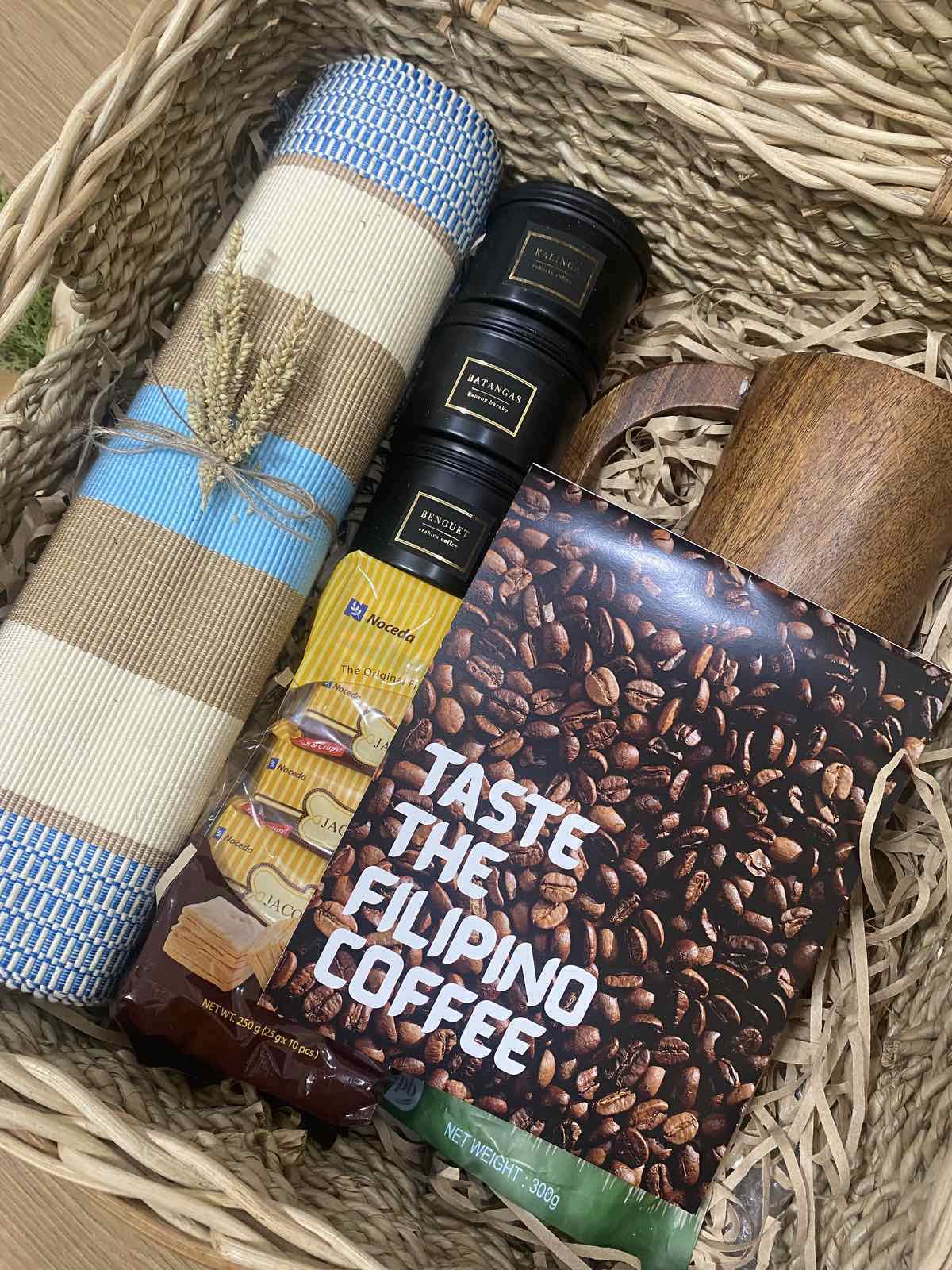

Wooden coffee mug. Photo courtesy of the Department of
Tourism.

Wooden coffee mug. Photo courtesy of the Department of
Tourism.

Inabel or Abel Iloco. Photo by Jacob Maentz courtesy
of the Department of Tourism.

Inabel or Abel Iloco. Photo by Erwin Lim courtesy of
the Department of Tourism.
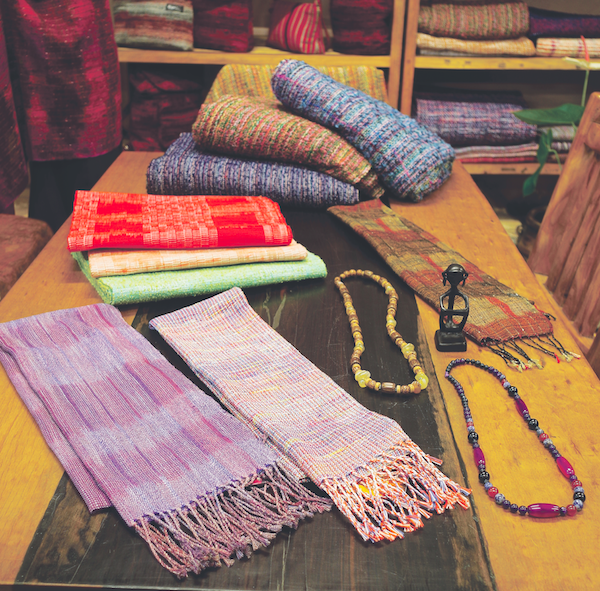
Inabel or Abel Iloco. Photo by Dakila Angeles courtesy
of the Department of Tourism.
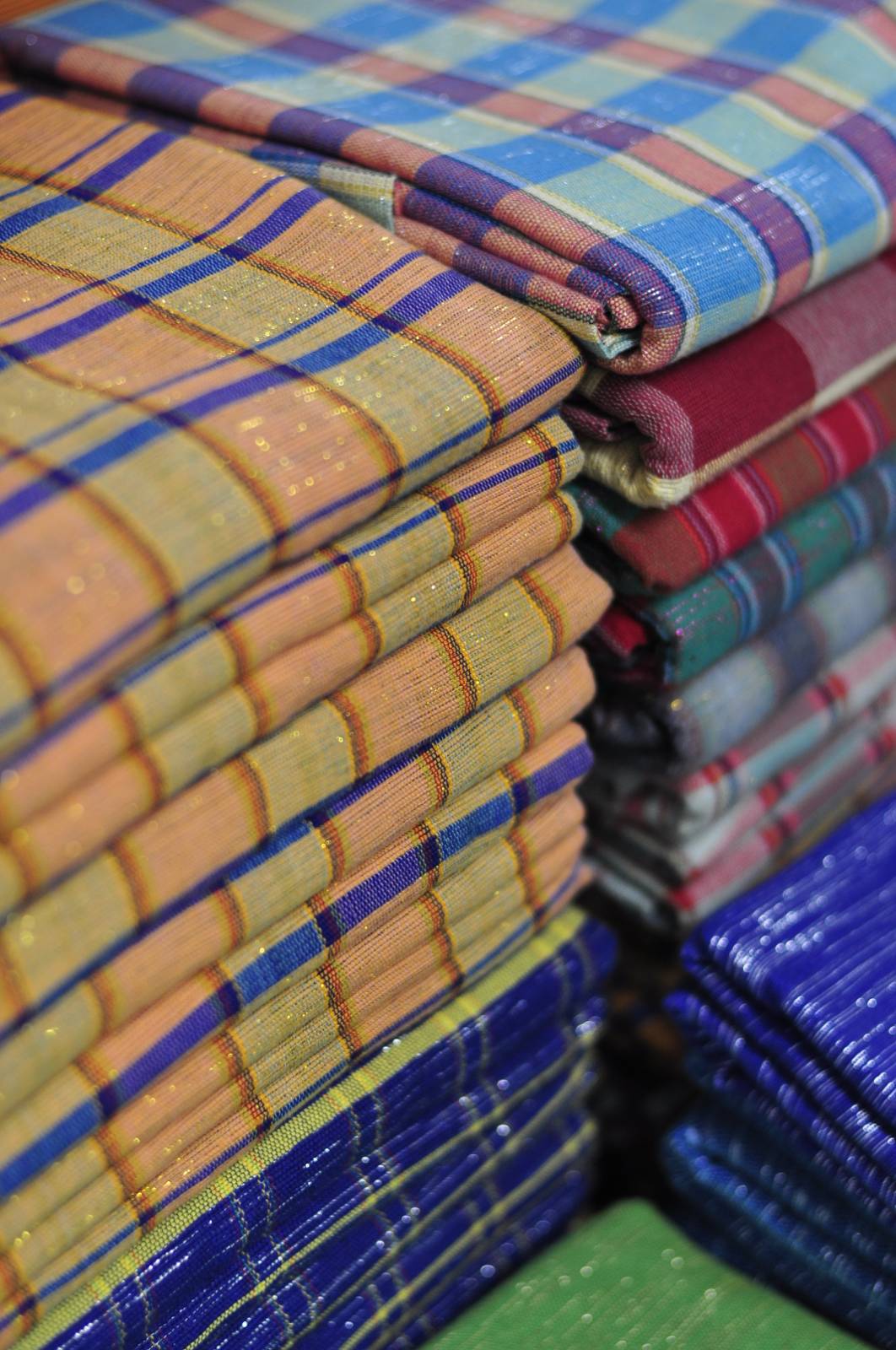
Hablon cloth. Photo courtesy of the Department of
Tourism.
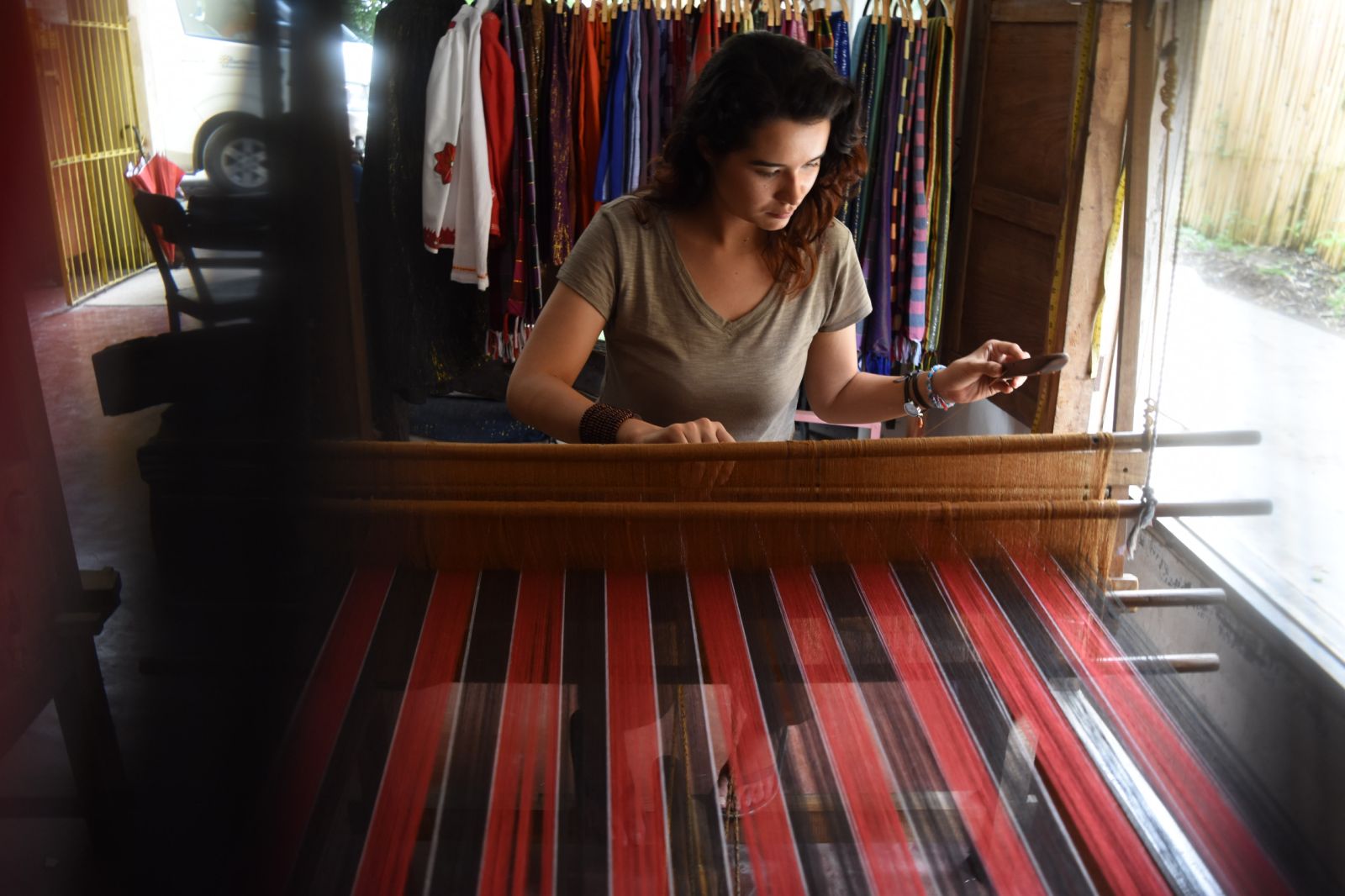
Hablon cloth. Photo courtesy of the Department of
Tourism.
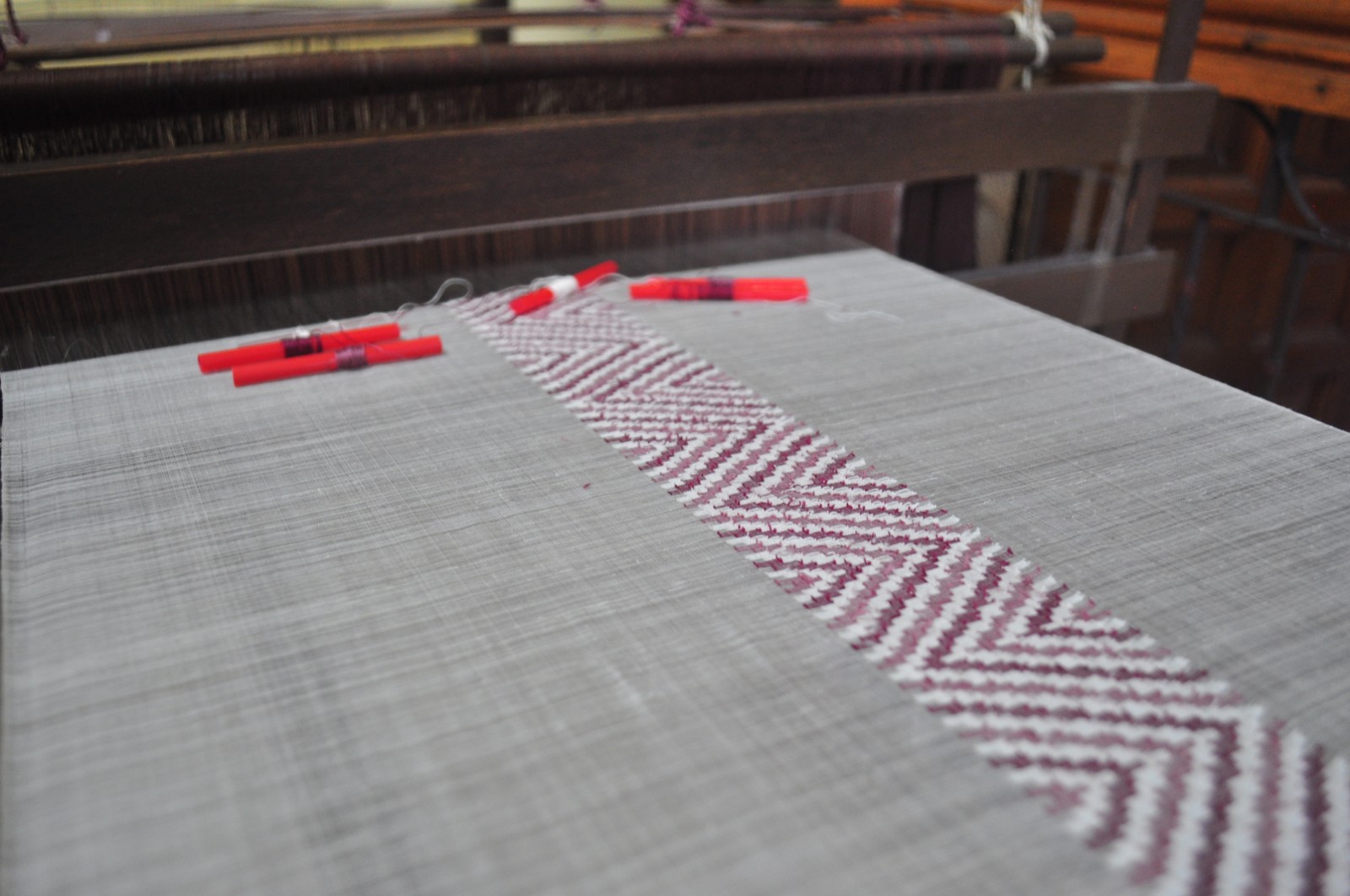
Piña cloth. Photo courtesy of the Department of
Tourism.
More dishes to discover
There are even more food discoveries to be found in the Philippines, with a
culinary heritage that has been passed down from generations. While there are new dishes that have
evolved from the basic recipes through the years, the flavors are just as rich and exciting.
Travel safely!
All these tourist destinations have health and safety protocols in place to
protect locals and visitors alike. Everyone is expected to comply by wearing face masks, regularly
washing their hands, and practicing physical distancing.
To check out up-to-date information regarding local destinations that are
open and the safety protocols and requirements needed for each location, you may visit
philippines.travel/safetrip or download the Travel
Philippines app at
app.philippines.travel , Apple Store, or Google
Playstore.