Heritage Churches to Consider for Your Visita Iglesia
The Holy Week is an important occasion for Catholics. In the Philippines, about 83% of the population belong to the Roman Catholic faith.
One of the traditions that Filipinos have been practicing is the Visita Iglesia, wherein the faithful visit at least seven different churches (sometimes even 14) on the evening of Maundy Thursday or on Good Friday, and pray before the Blessed Sacrament.
During the pandemic, Catholics resorted to virtual or online Visita Iglesia. But now that travel restrictions have eased, Filipinos can go back to practicing their Lenten traditions.
Metro Manila has over a hundred churches, some are heritage structures, such as the San Agustin Church, the Manila Cathedral, the Minor Basilica of the Black Nazarene (Quiapo Church), and the Minor Basilica of St. Lorenzo Ruiz (Binondo Church), to name a few. But if you wish to discover other historical churches and be spiritually and culturally enriched with their own stories, here are some in nearby provinces that you can include in your itinerary.
Our Lady of Mount Carmel Parish (Barasoain Church)
City of Malolos, Bulacan
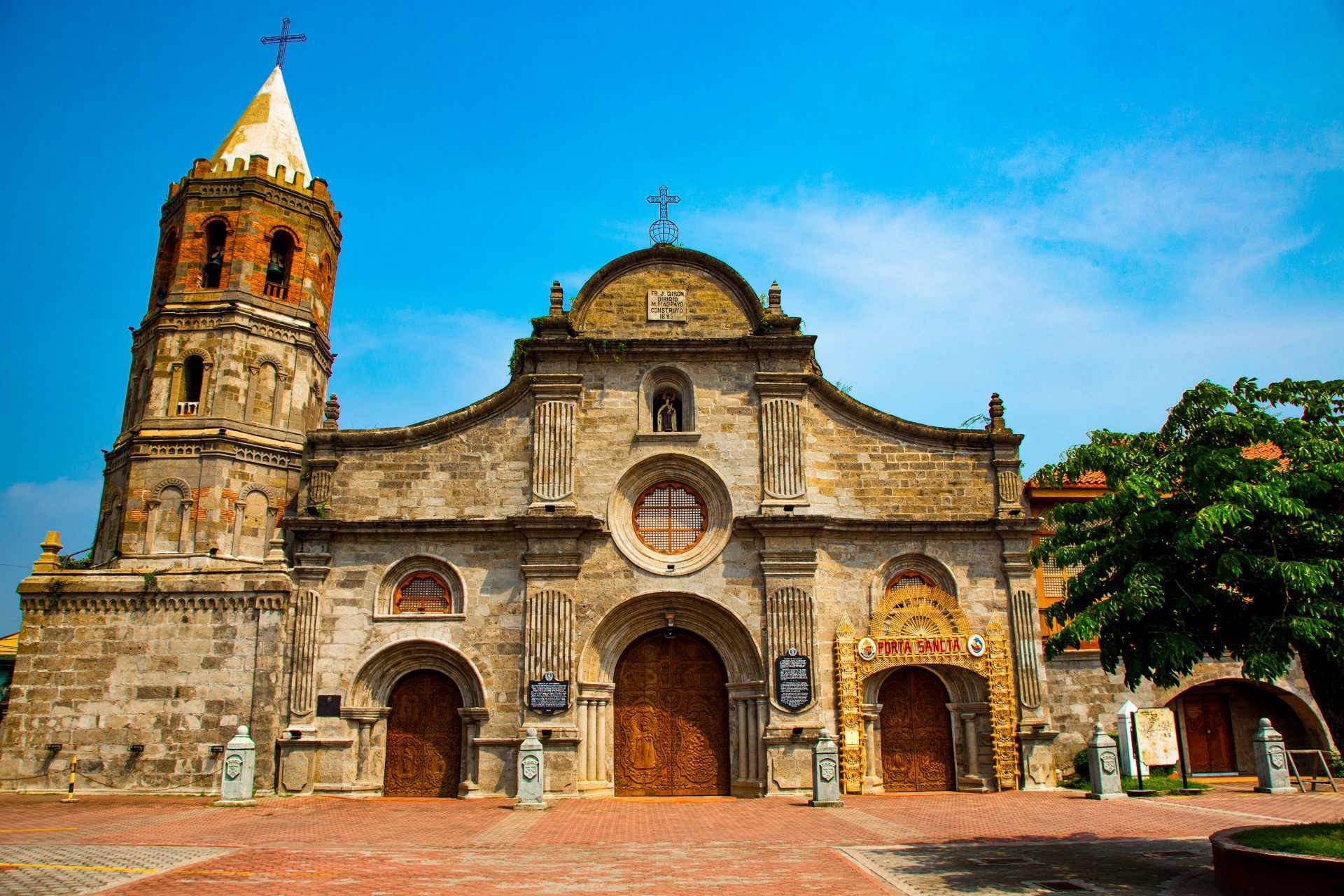 Barasoain Chrurch in Malolos, Bulacan. Photo courtesy of Department of Tourism.
A national shrine, the historic Barasoain Church was built in1885. It served as the session hall of the Malolos Congress in 1898 and the birthplace of the First Philippine Republic, the first in the whole of Asia, in 1899. The Universidad Literaria Cientifica de Filipinas, the first state university established by the Filipinos, was housed in its convent in 1898. The Barasoain Church Historical Landmark boasts of a light and sound museum called Museo ng Republika ng 1899 which is being managed by the National Historical Commission of the Philippines (NHCP).
Saint John the Baptist Church
Calumpit, Bulacan
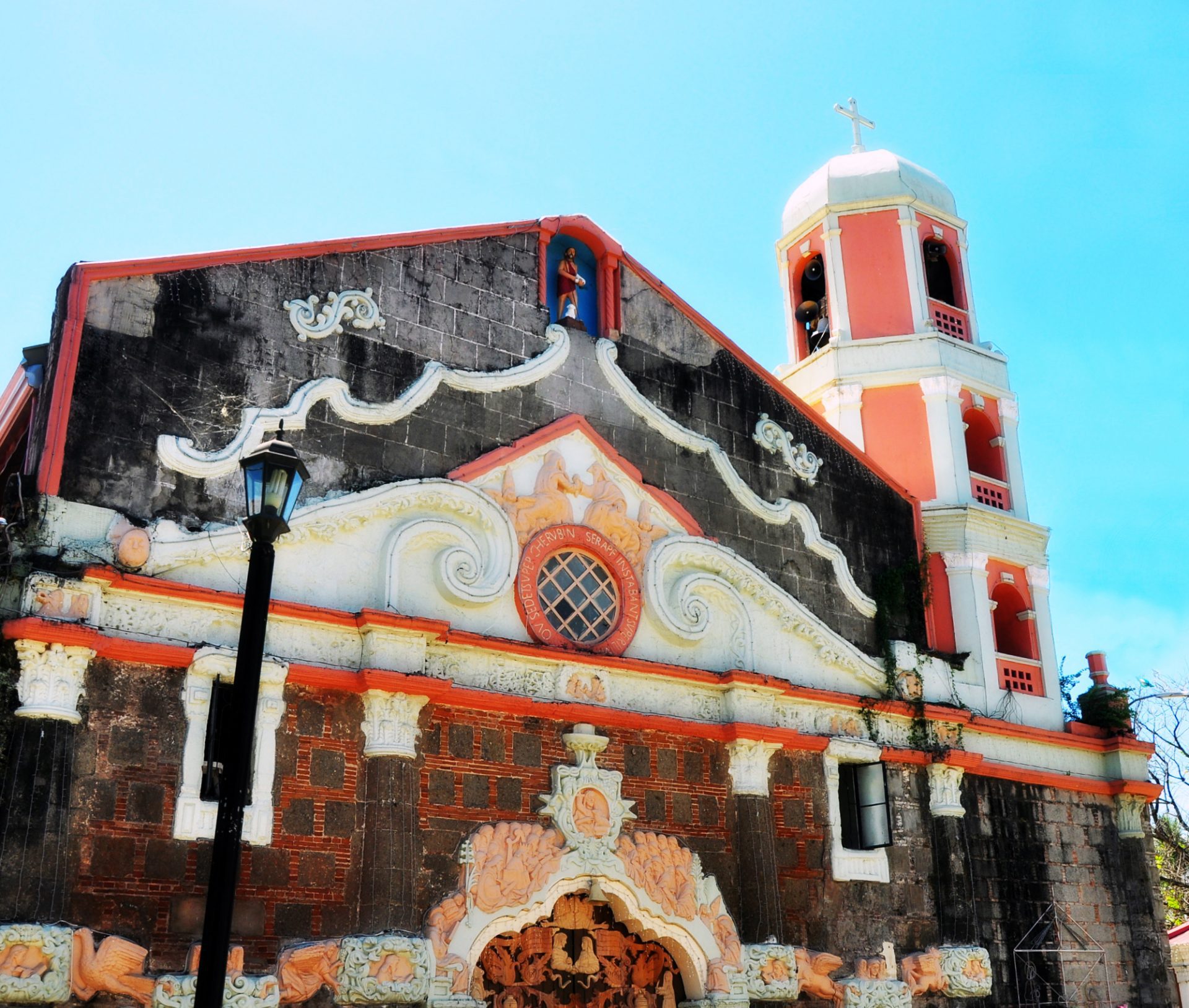 St. John the Baptist Church in Calumpit. Photo courtesy of Bulacan Tourism Office.
Founded in 1572, St. John the Baptist Church is the oldest church in Bulacan. The church had been a witness to the Filipinos’ struggle against Spanish, American, and Japanese rule.
Inside the church is a tunnel that, according to history, was used by priests during the Spanish regime to keep gold, religious statues, and ornate jewelry hidden from the sight of treasure hunters. Likewise, it is in this tunnel where Filipino revolutionaries and Spanish soldiers were buried during the war.
Saint Dominic de Guzman Church (Abucay Church)
Abucay, Bataan
Built in 1588, Abucay Church is considered as the oldest in Bataan and one of the oldest churches in the country. The structure of the church was made of red bricks with adobe stones that withstood the test of time. It was where Tomas Pinpin, the first Filipino printer, printed the earliest books in the Philippines together with Fr. Francisco Blancas de San Jose, his co-author, and teacher.
Our Lady of the Most Holy Rosary Church (Orani Church)
Orani, Bataan
Enshrined in this church is the wooden statue of Virgen Milagrosa del Rosario del Pueblo de Orani. This iconic pilgrimage church sits right in the middle of Orani.
The original structure built in 1714 was initially made from nipa leaves, molave wood and bamboo. The chapel was eventually reconstructed with stronger materials like adobe and stone. It was damaged by an earthquake in 1852 and razed by fire in 1938.
The Orani Church served as witness to many historical events including the Philippine Revolution and the Japanese occupation during the World War II.
On September 09, 2019, Pope Francis of the Vatican granted this church the title of Minor Basilica.
San Guillermo Parish Church
Bacolor, Pampanga
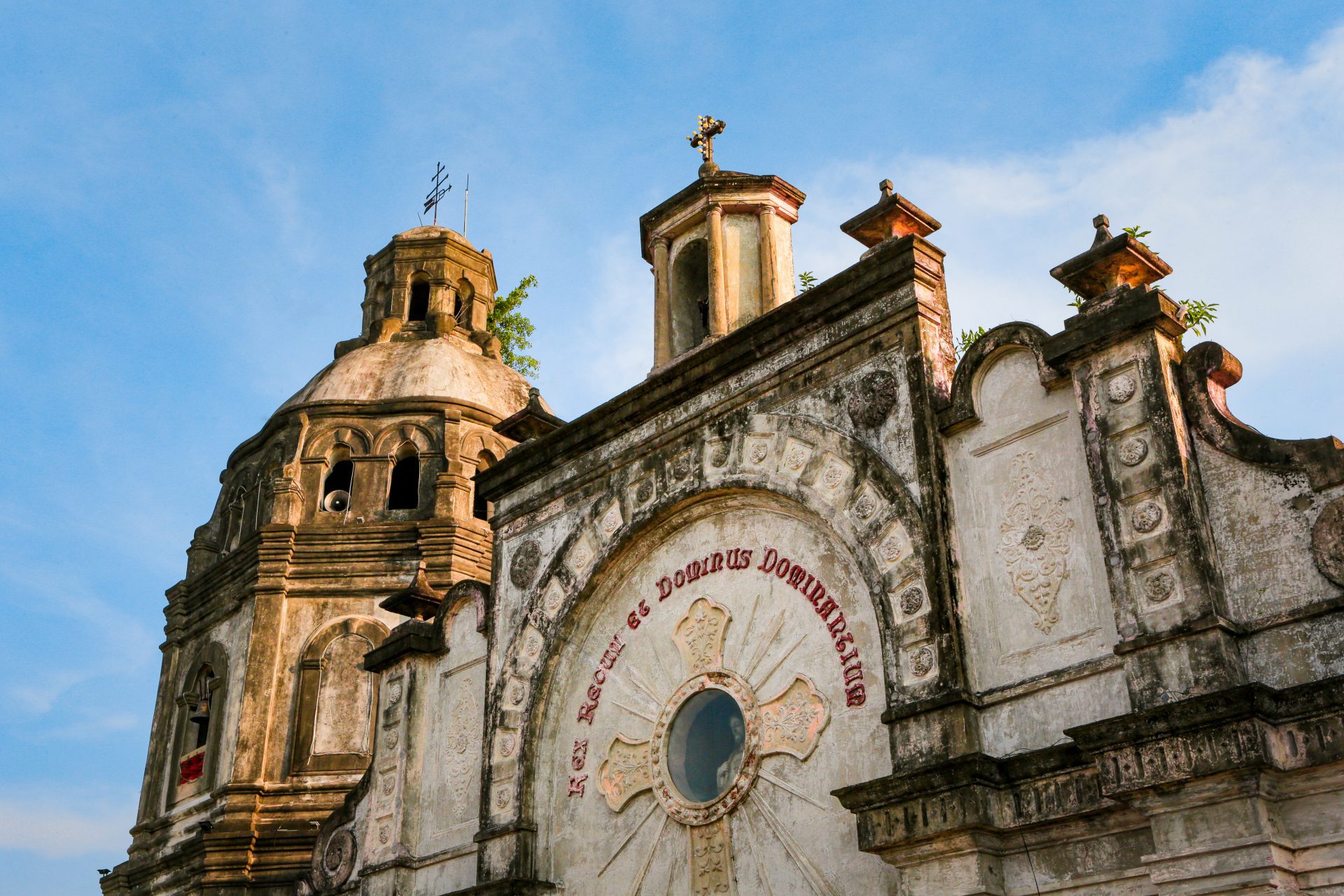 San Guillermo Church in Bacolor, Pampanga. Photo courtesy of Department of Tourism.
The church serves not only as a reminder of the tragic Mt. Pinatubo eruption, but also as a testament of Bacolorenos’ strong faith and resilience. The church was constructed by the Augustinian Friars in 1576, with rich decoration that depicts the advanced stage of Baroque and Rococo.
On September 3, 1995, lahar mudflow from the slopes of Mount Pinatubo which erupted on June 15, 1991, covered the town and buried the San Guillermo Church in half. The church, whose remaining features were preserved and maintained, is still being used as a place of worship.
Saint James the Apostle Parish Church (Betis Church)
Betis, Guagua, Pampanga
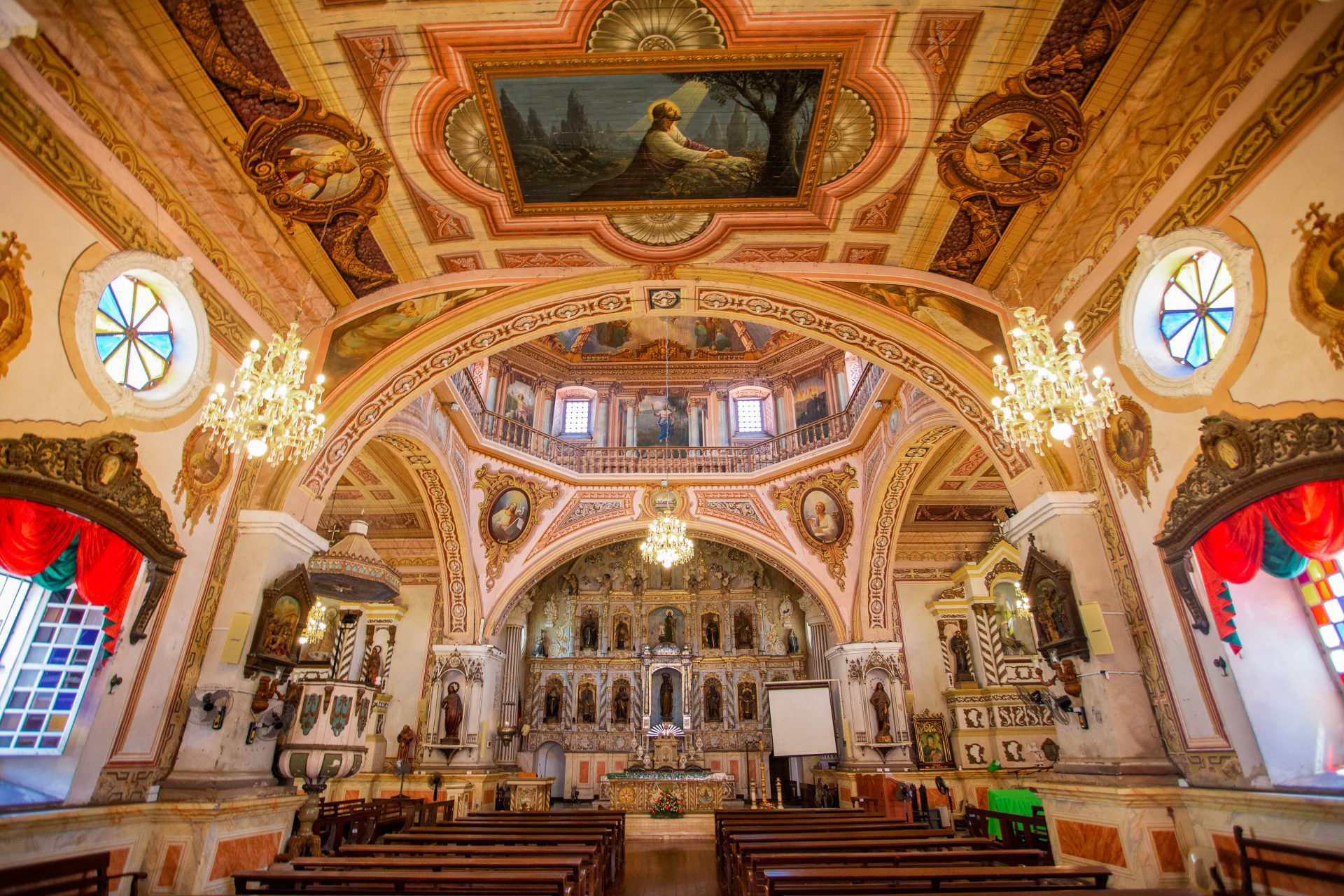 The interiors of the Saint James the Apostle Parish Church in Betis, Guagua, Pampanga. Photo courtesy of Department of Tourism.
It is dubbed as the “Sistine Chapel of the Philippines” because of its interiors, particularly the intricate paintings on the church’s walls and ceiling that are comparable to the frescos of Vatican’s Sistine Chapel. These paintings are attributed to several local artists, including Macario Ligon, Victor Ramos, and Simon Flores. Through its intricately carved wooden main door, wooden flooring, and some wooden statues, the church pays homage to the woodcarving heritage of the province, with Betis being the center of this craft and industry.
The National Museum and the National Commission for Culture and the Arts (NCCA) declared the Baroque-inspired Betis Church a National Cultural Treasure in 2001.
Our Lady of the Assumption Parish Church (Maragondon Church)
Maragondon, Cavite
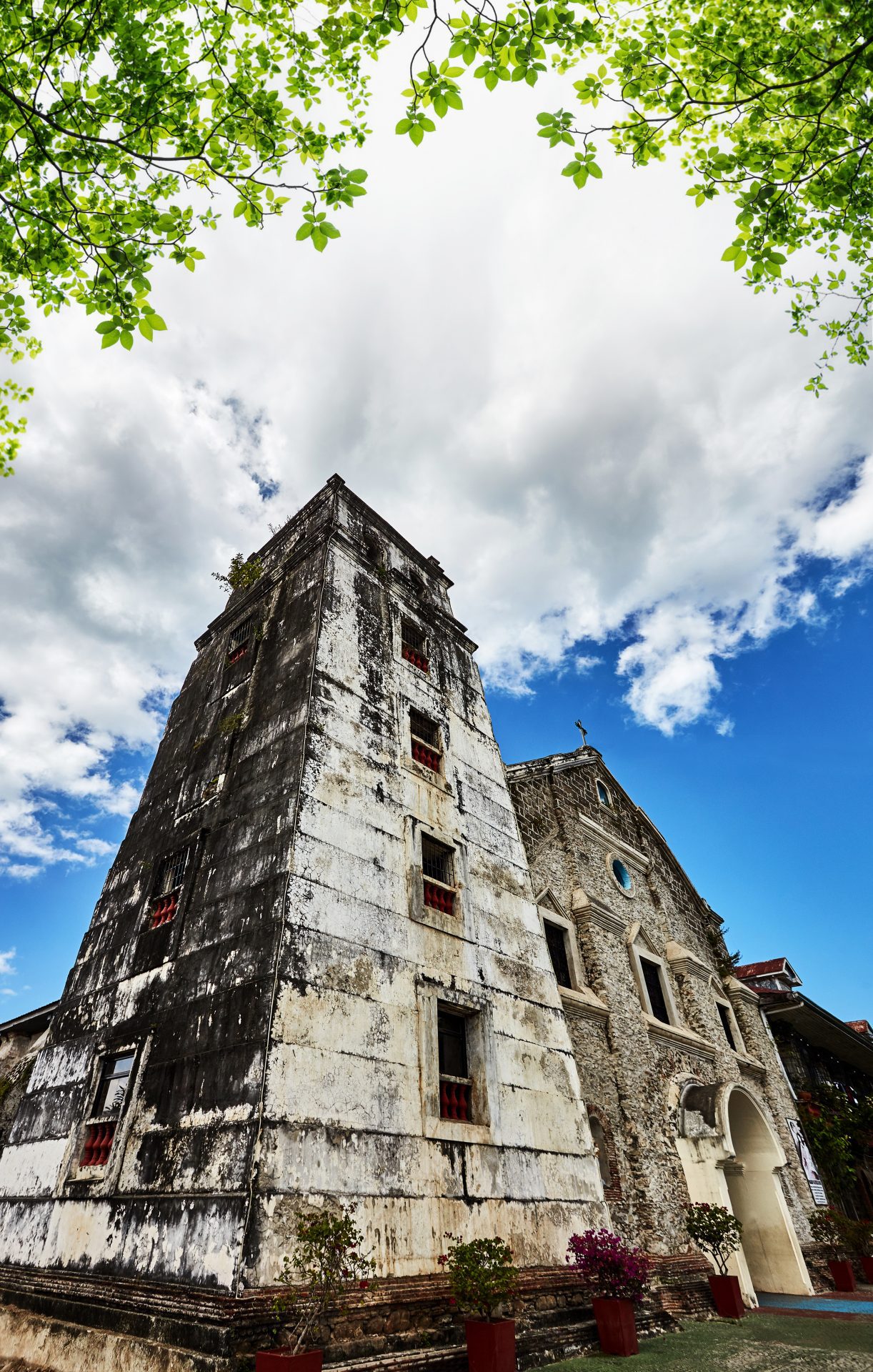 Maragondon Church in Cavite. Photo courtesy of Department of Tourism – CALABARZON.
The first structure was built by the Jesuits when the parish was established under the patronage of Our Lady of The Assumption in 1618. During the Spanish-Dutch War, the church was destroyed for fear of becoming a Dutch fort. After the war, the church was rebuilt using wood, then was renovated to stone.
This church is the only heritage structure in the municipality of Maragondon and was declared by the National Museum as a National Cultural Treasure.
Church of St. Mary Magdalene (Kawit Church)
Kawit, Cavite
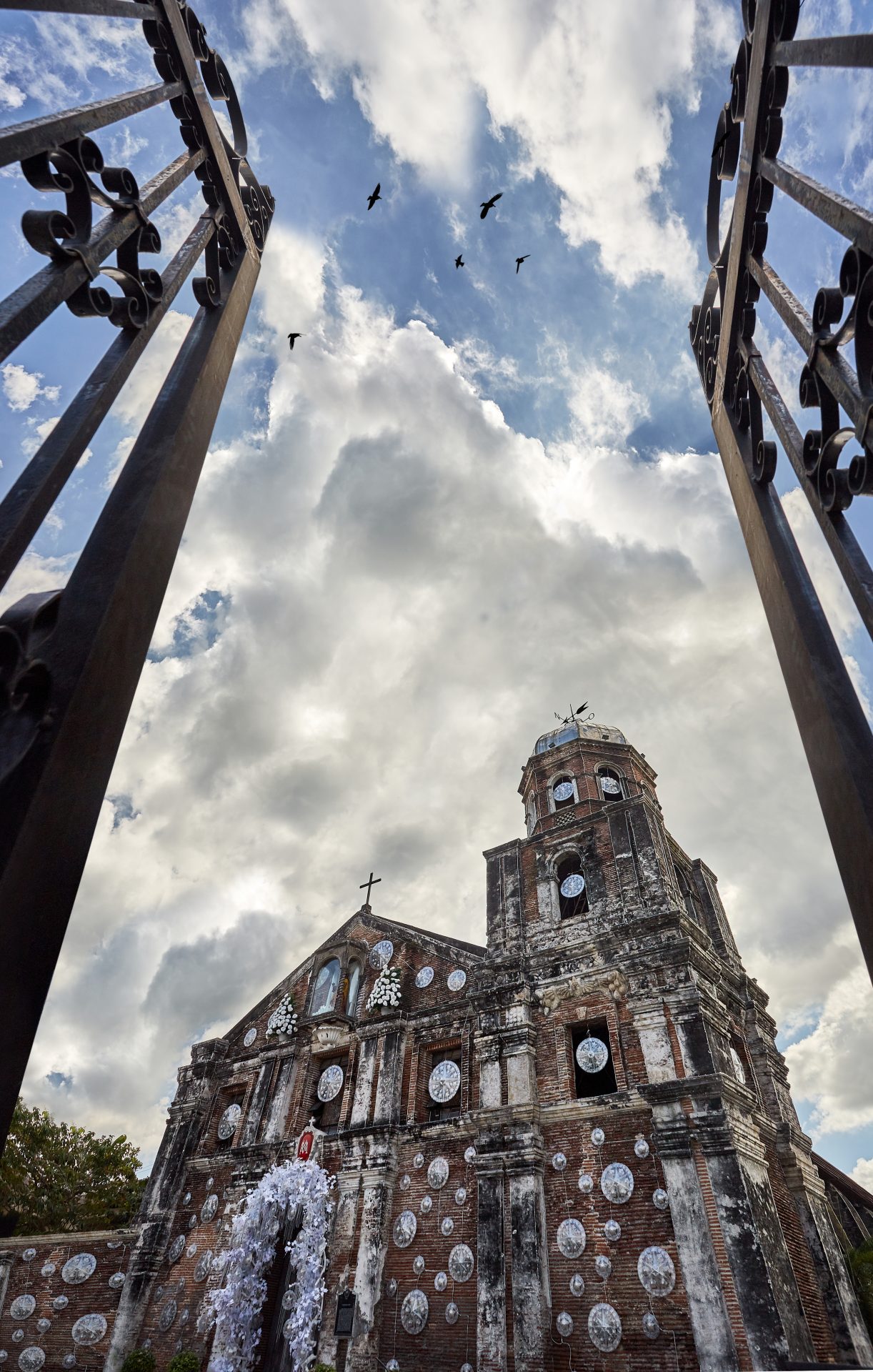 Kawit Church in Cavite. Photo courtesy of Department of Tourism – CALABARZON.
This is the parish church of the Municipality of Kawit in the Province of Cavite. First built made of wood in 1638, it is considered one of the oldest churches in the Philippines. The construction of the current church started in 1737 and was restored in 1990. Located few meters away from the mansion of Gen. Emilio Aguinaldo, this is the church where the president of the First Philippine Republic was baptized.
Our Lady of Light Parish (Cainta Church)
Cainta, Rizal
The original stone structure was built in 1707. From the time of its erection as a parish, it belonged to the Archdiocese of Manila. It was placed under the Diocese of Antipolo in 1983. The church suffered damages due to an earthquake in 1853. When the church was burned downed during the Filipino-American War in 1899, it took more than 60 years before restoration efforts started. The facade was kept untouched.
Cainta Church was declared a historical site by the NHCP for its significant role during the Filipino-American War.
San Idelfonso de Toledo Parish (Tanay Church)
Tanay, Rizal
The first parish was actually established in 1606. From then, it had its own history of destruction and reconstruction. The present church was completed in 1783. Retablos with several images—particularly of Our Lady of Anguish, the Immaculate Conception, Saint Joseph, Saint Peter of Alcantara, the Baptism of Jesus Christ, and Saint Ildephonsus of Toledo—adorn the altar. Carvings of the 14 Stations of the Cross inside the church are masterpieces believed to be created by native artists of the town.
The parish houses the relic of a piece of a bone of Saint Ildephonsus of Toledo. It was declared by the NCCA as a National Cultural Treasure.
Metropolitan Cathedral of Saint Sebastian (Lipa Cathedral)
Lipa, Batangas
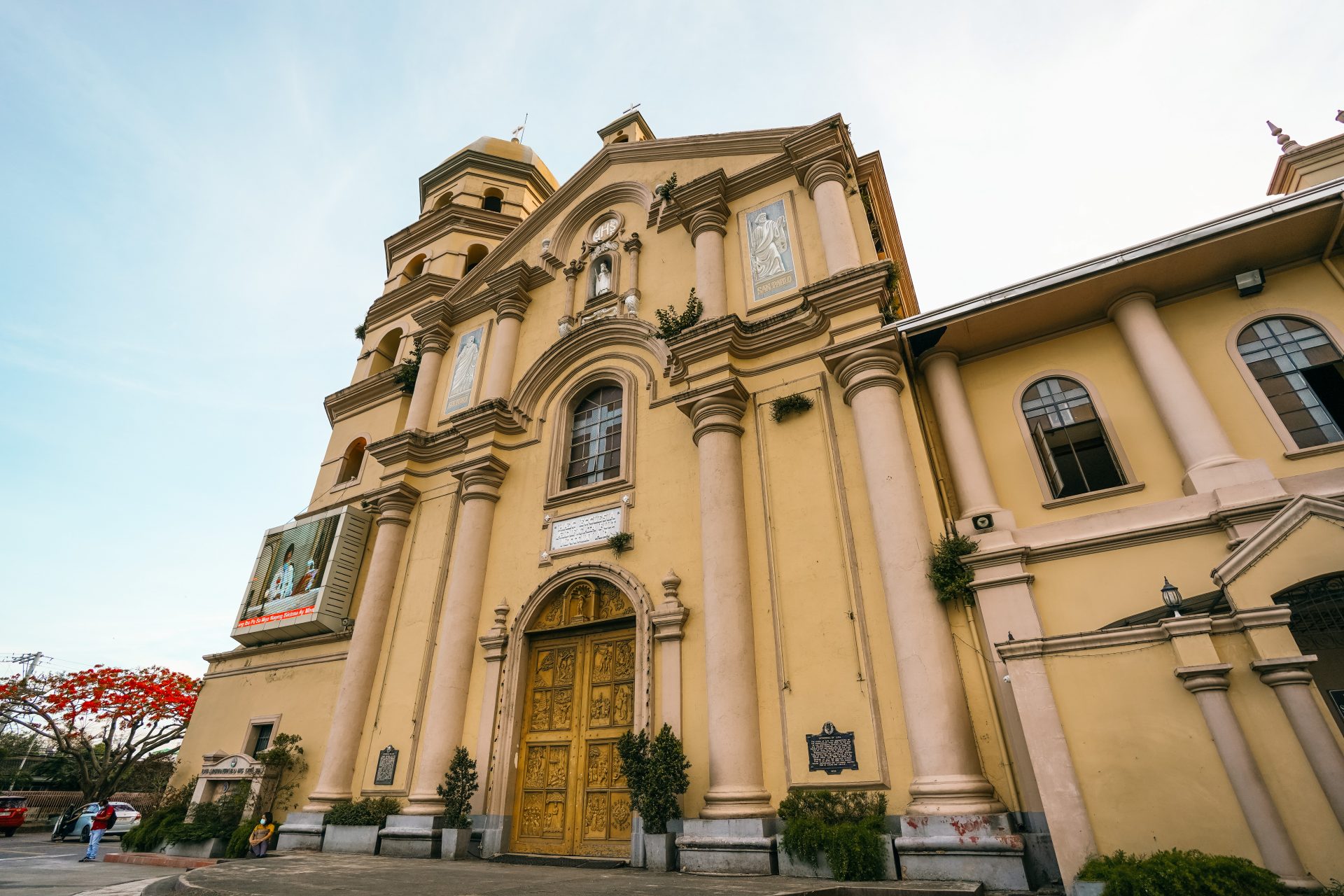 Lipa Cathedral in Batangas. Photo courtesy of Department of Tourism.
More commonly known as the Lipa Cathedral, this renaissance church, which was established in the 1700s, serves as the seat of the Archdiocese of Lipa. The structure features stained glass windows, a painted ceiling with a domed center, and a grand altar lit by round glass panes in front.
The original structure was made of light materials and was located on the shore of Taal Lake. It was destroyed when Taal Volcano erupted in 1754. Reconstruction efforts for the transplanted church started in 1779 and was completed sometime between 1865 to 1894. After World War II, the cathedral suffered massive damages and underwent intensive renovation afterwards.
Basilica of Saint Martin of Tours (Taal Basilica)
Taal, Batangas
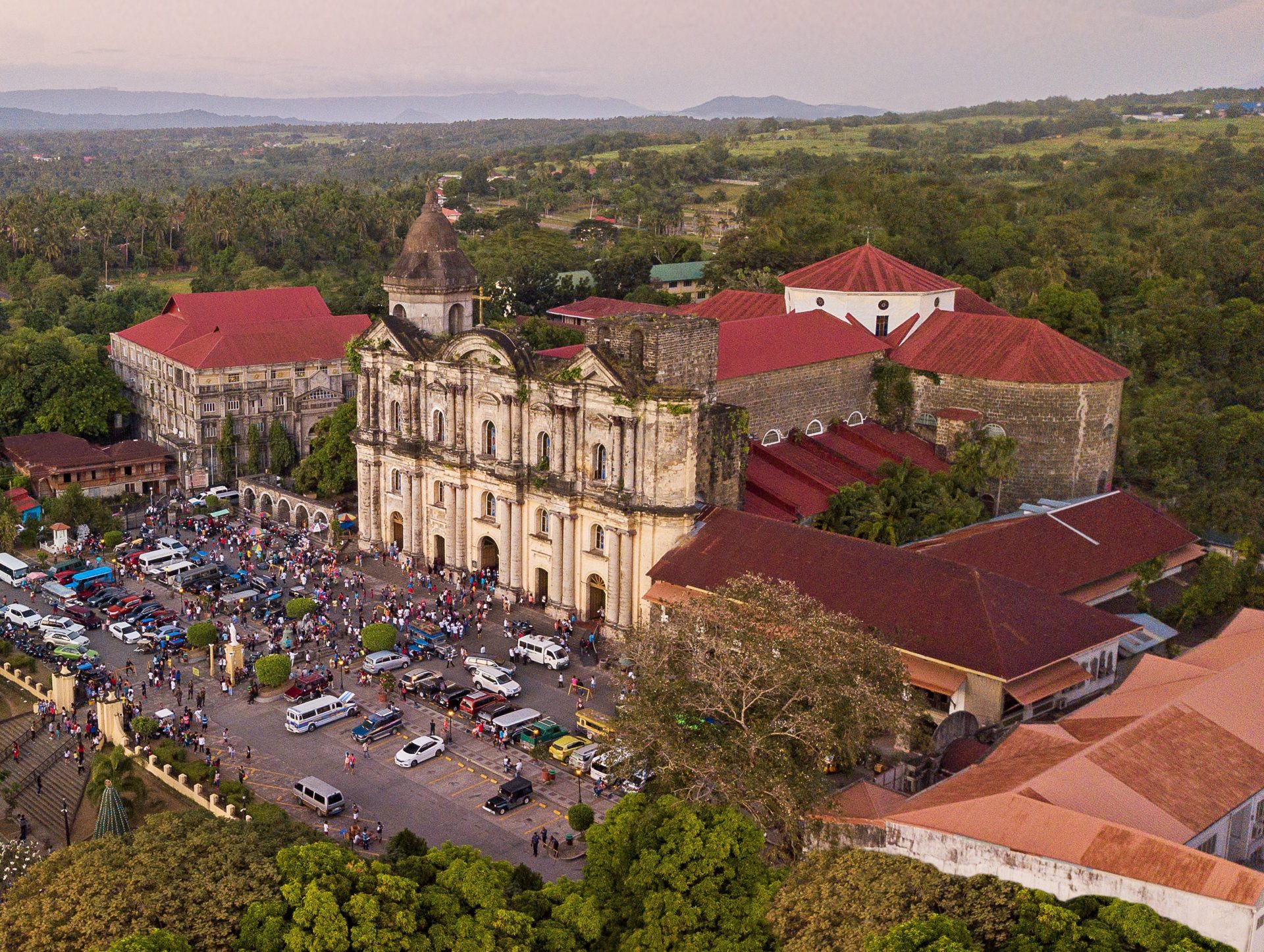 Taal Basilica in Batangas. Photo courtesy of Department of Tourism – CALABARZON.
This magnificent landmark sits atop a hill right at the center of the town. It is named after the patron saint of Taal, Saint Martin of Tours. The dominant religious structure measures 96 meters in length and 45 meters in width.
The Basilica’s size and Baroque façade is awe-inspiring. Its extraordinary structure is even more captivating with the addition of dome ceilings hand painted with intricate detail. Perhaps the most outstanding element is the illuminating altar wall made with shining sterling silver and gold, symbolizing the sacred liberation of the tabernacle.
Travel safely!
All these destinations have health and safety protocols in place to protect locals and visitors alike. Everyone is expected to comply by wearing face masks and face shields, regularly washing their hands, and practicing physical distancing.
To check out up-to-date information regarding local destinations that are open and the safety protocols and requirements needed for each location, you may visit www.philippines.travel/safetrip or download the Travel Philippines app at app.philippines.travel or the Google Playstore.